Sustaining Critical Life Science Resources: U. of I. Faculty Identify Challenges Amid Federal Funding Changes

Open-access biological databases have long served as pillars for life science research, providing freely accessible data that drive discovery across fields like genetics, ecology, and neuroscience. However, sustaining these resources has been a long-standing challenge, and several Illinois faculty members, including those in the University Library and the College of Agricultural, Consumer & Environmental Sciences (ACES) at the University of Illinois Urbana-Champaign, are working to build awareness of the problem as data resources are exposed to new pressures due to widespread federal funding cuts.

One resource essential to taxonomy and conservation and supported by the Library is the Biodiversity Heritage Library (BHL), the world’s largest open-access digital library dedicated to biodiversity literature, which contains data and metadata from high-resolution archival (scans) and contemporary (born digital) literature and archival material of biodiversity relevance. As reported last July, after 20+ years of support, the Smithsonian Institution announced that it will no longer host the administrative functions of BHL. Biosciences Librarian Kelli Trei is playing a vital role in coordinating BHL’s transition to ensure that the resource can continue to provide primary source material to scientists studying, among other things, historical trends in biodiversity and verification of taxonomic names and classifications. Since July, BHL has partnered with the Council on Library and Information Resources (CLIR) as its fiscal sponsor, providing tax-exempt status and a solid legal and financial framework. BHL also published Guiding Principles to shape decision-making into 2026 and launched its first public fundraising campaign to support long-term sustainability and reduce reliance on any single institution.

“The BHL democratizes access to biodiversity information by making centuries of literature containing species descriptions, expedition records, and ecological data freely available online. It serves as a critical resource for taxonomists and scientists, supporting research, conservation, and global collaboration,” said Trei.  Juanita J. and Robert E. Simpson Dean of Libraries and University Librarian Claire Stewart adds, “The often unseen work of sustaining large collaborative repositories like the BHL is as at risk as funding for basic science in the current environment.”

Another instrumental resource is WormAtlas, a database detailing the anatomy of the model organism C. elegans, including tens of thousands of highly detailed anatomical images. The resource was recently migrated from the Albert Einstein College of Medicine to Illinois under the direction of Nate Schroeder, an Associate Professor in Crop Sciences, who consulted with the Library’s Research Data Service during the migration. Schroeder recently co-authored a perspective for the Proceedings of the National Academy of Sciences that highlights the role of community-driven data resources in enabling Nobel Prize-winning discoveries. Vignettes of how these resources contributed to the 2002, 2006, 2008, and 2024 Prizes are included, with six Nobel Prize-winning scientists co-authoring the perspective with Schroeder and others. “A strength of C. elegans as a model organism is the community of researchers who study it and the community resource they’ve developed,” says Schroeder. “By aggregating knowledge, these resources are essential for the thousands of scientists who use C. elegans to maximize their research efficiency.”

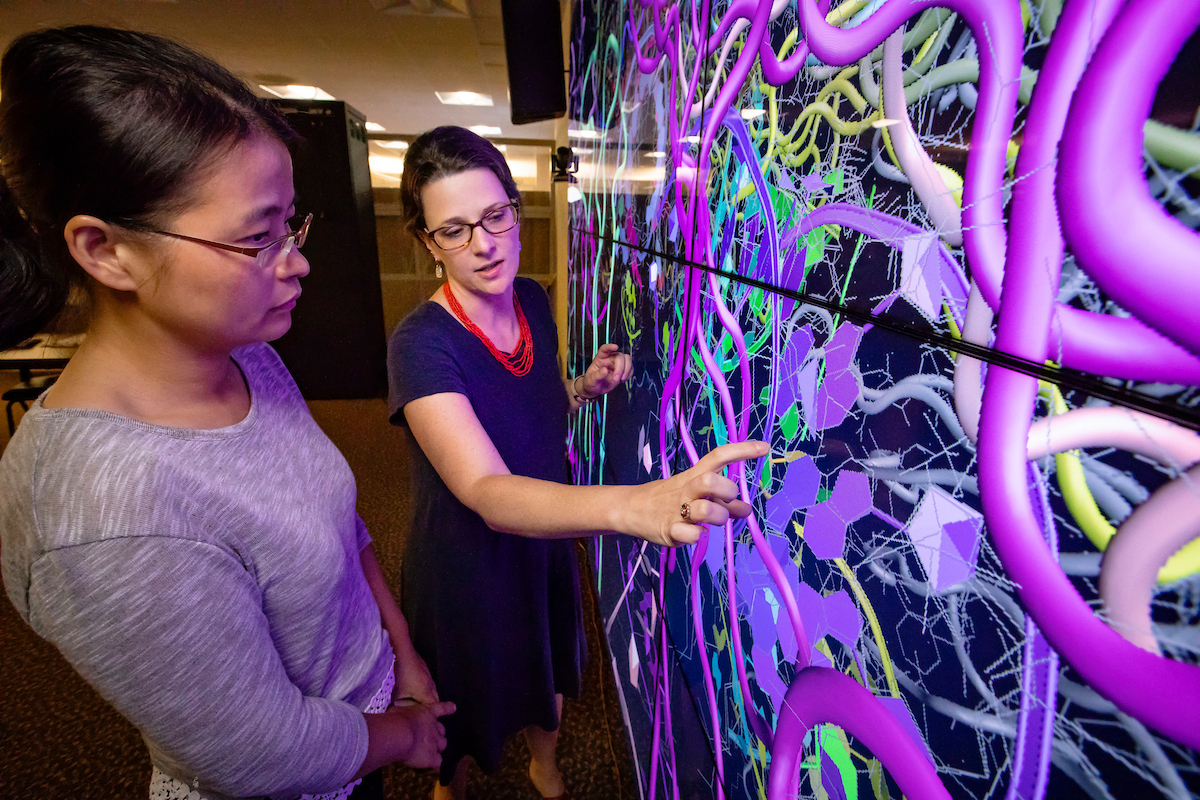
Both the BHL and WormAtlas were among nine long-lived data resources considered in a recent study by Heidi Imker, the Allen and Elaine Avner Professor of Interdisciplinary Research and Director of the Research Data Service in the Library. Imker, who has been studying the fragility of life science data resources for several years, quickly launched into a project to document anticipated impacts as disruption of federal funding began last spring. A preprint of the study was posted on bioRxiv in October and revealed mounting risks to sustained data access and reuse, declining availability of subject matter expertise, and disrupted research opportunities. Many participants shared how substantial funding reductions would erode progress in their fields by forcing research communities to revert to less coordinated science, ultimately undermining how new scientific findings are interpreted and integrated into existing knowledge.

Illinois’ engagement with WormAtlas and contributions to BHL reflect its leadership in advancing open knowledge, inside the Library and across campus. Imker notes that academic libraries across the country have been doing truly heroic work rescuing “at risk” data, including efforts like the volunteer-led Data Rescue Project. “Efforts like these are critical if resources are to be resurrected one day,” Imker notes, but admits there will be gaps since community resources provide deep disciplinary expertise and extensive user support along with the data. “Supporting these data resources is just as much about preserving and enabling the networks of expertise and knowledge that fuel scientific discoveries,” Imker concludes. “We have to hope that resources like these can continue to exist or brace for less efficient science.”

Illinois Newspaper Project Receives NEH Grant

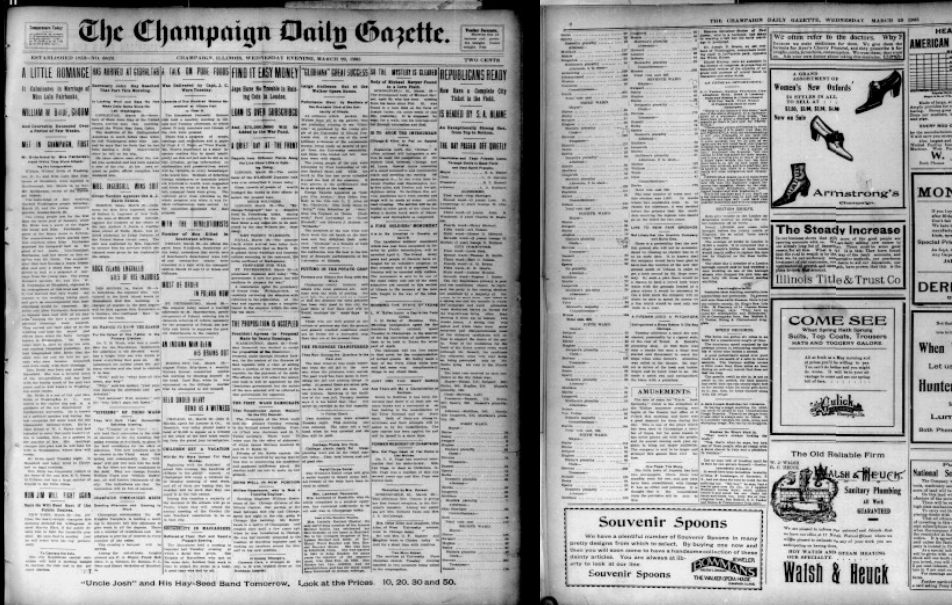
The Illinois Newspaper Project (INP) at the University of Illinois Urbana-Champaign Library has received a grant of $324,189 from the National Endowment for the Humanities (NEH), to digitize 100,000 pages of historical Illinois newspapers, as part of the National Digital Newspaper Program (NDNP), a partnership between the NEH and the Library of Congress. The Illinois Newspaper Project has been an NDNP partner since 2009, and has contributed over 600,000 pages of digitized newspaper content to Chronicling America, the digital newspaper collection of the Library of Congress. All Illinois newspapers digitized by the INP are also freely available on the Illinois Digital Newspaper Collections (IDNC)  website, which includes additional newspapers digitized thanks to other grants and generous patron donations.

The 2025-2027 grant will focus on Illinois newspapers that document the history of relations between Native American communities and settlers, from the early 19th century to the mid-20th century. The INP will partner with other Illinois cultural heritage repositories including the Newberry Library. Celestina Savonius-Wroth (head of the History, Philosophy, and Newspaper Library) and William Schlaack (Digital Reformatting Coordinator for Preservation Services) will lead the project. In addition to the project leads, the Illinois Newspaper Project team includes Jessie Knoles, Geoffrey Ross, and Chris Prom.

The INP received a 2022-2024 grant from NEH in 2022. Read more…

New Automatic Renewals for Library Materials

The University Grainger Bob statue reading book about the futureLibrary is pleased to announce the implementation of automatic renewals for I-Share and local library materials, effective July 28, 2025.

Eligible library materials will be automatically renewed, which will eliminate the need for manual renewal of many items by the borrower. Upon a successful renewal, library users will receive an email notification detailing the renewed items and their new due dates. It is important to note that this automatic renewal feature applies only to materials that meet the criteria for renewal. For items that are not eligible for automatic renewal, patrons will continue to receive a “courtesy notice” email as their due date approaches, ensuring they remain informed about upcoming items that need to be returned.

U. of I. Librarian Named Transition Director of the Biodiversity Heritage Library

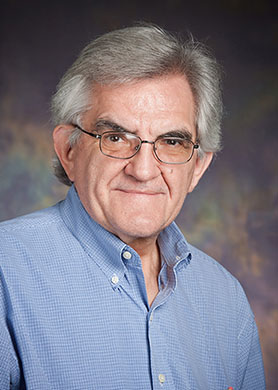
Kelli Trei

Kelli Trei, Biosciences Librarian at the University of Illinois Urbana-Champaign, has been appointed as the Transition Director through July 2026 for the Biodiversity Heritage Library (BHL), the world’s largest open access digital library dedicated to biodiversity literature. In this critical leadership role, Trei will guide the international consortium through a pivotal transition—identifying new institutional hosts, finalizing fiscal sponsorship, and exploring sustainable funding models for the future. 

Trei’s involvement with BHL has been long-standing and impactful, having most recently served as Vice-Chair of the BHL Executive Committee, following a term as Secretary. While she serves in this transition role, Emily Benton, Prairie Research Institute Librarian, will represent the University of Illinois Urbana-Champaign on the BHL Member Council. 

“Kelli’s appointment is a testament to the strength of our faculty and the national and international leadership that University of Illinois Urbana-Champaign librarians provide,” said Sarah Williams, Agriculture Librarian and Head of the Funk ACES Library. “We are proud to support the continued success of the BHL and the global access to scientific knowledge it enables.” 

The University of Illinois has contributed to the BHL since 2007 and became a full member in 2014. As of April 2025, Illinois has added 6,958 volumes from 4,497 titles, totaling more than 2.2 million pages, along with over 5,000 images to the BHL’s Flickr collection. 

Beginning January 1, 2026, the BHL must transition to a new hosting structure, creating a rare opportunity to reimagine the Library’s future. As Transition Director, Trei is focused on preserving the BHL’s legacy while broadening its reach. 

“The BHL is a free and open resource, but its sustainability depends on the creativity, engagement, and support of our community,” said Trei. “We’re seeking not only financial support but ideas—from new collaborators and increased sustainability to ways we can better manage and expand content. I’m deeply committed to the BHL’s work in democratizing biodiversity information for scientists and interdisciplinary users around the world. 

The Biodiversity Heritage Library brings together the digitized biodiversity literature of over 660 contributors worldwide, providing open access to more than 63 million pages of scientific knowledge. Learn more about supporting the BHL at about.biodiversitylibrary.org/call-for-support/.  

Dismissal of the Librarian of Congress and the Register of Copyrights

From the University Library and School of Information Sciences

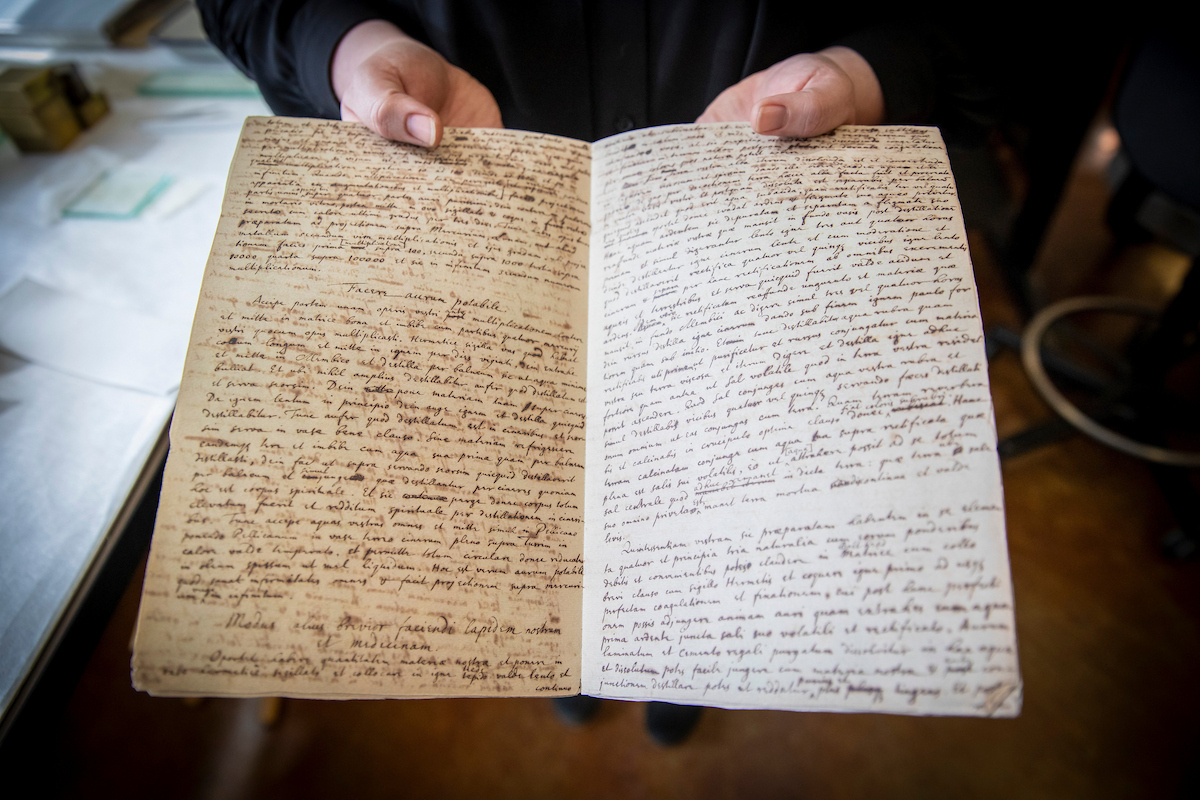
An old document that has been preservedOn May 8, 2025, Librarian of Congress Carla Hayden was dismissed from office. On May 10, 2025, Shira Perlmutter, the Register of Copyrights and director of the Copyright Office, which is part of the Library of Congress, was also terminated. These unexpected decisions raise grave concerns for research libraries, including the University of Illinois Urbana-Champaign Library, and for the national infrastructure that supports scholarship, access to knowledge, and preservation of cultural heritage.

As the nation’s oldest federal cultural institution, the Library of Congress (LC) is not only a symbol of democratic access to information, it is a critical partner in the research and teaching mission of academic libraries across the country. The loss of leadership at the highest level places at risk the programs, partnerships, and technical leadership that have long made the Library of Congress an essential institution for the nation and the world. LC houses exceptional and unique collections, including many that Library faculty at Illinois utilize and refer our researchers to. But LC is much more than a collection.

“The Library of Congress is an indispensable partner in our work,” said Claire Stewart, Juanita J. and Robert E. Simpson Dean of Libraries and University Librarian. “From digitization and preservation to cataloging and international acquisitions, LC enables us to support our scholars, preserve access to rare and important collections, and deliver high-quality research services. Its leadership is crucial not just to our institution, but to every citizen who relies on its services, and to the professional pipeline that ensures libraries will continue to serve the public well into the future.”

A National and Global Partner in Research and Access

The Library of Congress underpins much of the infrastructure that allows libraries to serve their communities. Its work in cataloging and classification, copyright records, and standards development helps ensure consistency and interoperability across library systems nationally. Through open data, digital preservation leadership (including the formats registry and Federal Agencies Digital Guidelines Initiative or FADGI digitization standards), and collaborative web archiving, LC shapes best practices that affect every level of library service and scholarship.

For international and area studies collections, LC is a unique asset. Its overseas field offices, in places like Islamabad, Cairo, and Nairobi, make possible the acquisition of rare materials that would otherwise be inaccessible. Our Global Studies librarians work closely with these offices and the LC’s Area Studies divisions to enhance our collections and support student and faculty research. LC’s collaborations with national libraries and copyright offices abroad have also helped open up access to materials critical for cross-border scholarship.

Digitization, Preservation, and Access

The Library of Congress is a driving force behind major national initiatives that make history publicly accessible. Its leadership in preservation, dating back to projects like the Slow Fires: On the Preservation of the Human Record film and continuing through today’s digital preservation efforts, has shaped how libraries care for their collections and ensure their longevity. Its partnership with the National Endowment for the Humanities, for example, led to the Chronicling America project, an open-access trove of digitized historic American newspapers that has long supported our own digital newspaper work. Without LC’s leadership, much of this work—and public access to it—would not exist.

Support for the Profession and the Public

The LC has long served as an incubator for library and information professionals, offering internships, fellowships, and professional development opportunities that shape the next generation of librarians, archivists, and preservationists. Programs like the Veterans Oral History Project and the American Folklife Center exemplify LC’s commitment to documenting diverse American experiences and ensuring broad public engagement with cultural heritage.

We also rely on LC’s support in data and analytics. Our work in copyright research, discovery systems, and bibliographic data has been strengthened by collaboration with LC’s technical staff. Their willingness to share expertise and work through technical challenges has helped us meet the evolving needs of scholars and users.

Advancing Policy Research and The Pursuit of Knowledge

One of LC’s most critical functions is the Congressional Research Service (CRS). CRS is a nonpartisan research service available to all members of Congress, on both sides of the aisle, and robustly supports members’ policy research objectives through a rigorous and unbiased process. CRS’ librarians and analysts work closely with congressional staff to conduct research across five major divisions, and many of the reports are published for free online, extending this knowledge support service to all citizens.

The Library of Congress is home to the U.S. Copyright Office, a key agency supporting authors, publishers, and the public through copyright registration, rulemaking, and research. The Office plays a vital role in balancing protections for creators with fair use rights for educators and researchers—a foundational function in any democratic society.

Sustaining and Supporting the Library of Congress

In an era when public access to information, trustworthy data, and reliable infrastructure is more important than ever, the leadership of the Library of Congress must be protected and strengthened. The dismissal of the Librarian of Congress without a clear transition or roadmap undermines the institution’s stability and risks the erosion of services on which scholars, educators, and communities rely.

We stand in solidarity with colleagues across the country in urging continued, transparent, and nonpartisan support for the Library of Congress and its mission. The Library is more than a repository—it is a pillar of American democracy and global scholarship.

The University of Illinois Urbana-Champaign values free speech and academic freedom as bedrock principles. The views and opinions expressed here belong to the speakers and do not necessarily reflect the views or positions of the university.

Remembering Bill Mischo

The University Library honors the memory of William H. Mischo, who passed away on April 20, 2025. Bill was a legendary figure among his colleagues—an innovator, mentor, and leader whose influence shaped not only the Grainger Engineering Library Information Center, but also the very systems through which countless users have discovered knowledge. His decades of service leave a lasting impact on the University of Illinois Urbana-Champaign and throughout the wider world of library and information science. An excerpt from his obituary follows.

William H. Mischo began as Head of the Engineering Library in Engineering Hall in 1982 at the University of Illinois Urbana-Champaign. He developed science and technology library collections, worked with faculty to understand their research, and was a role model for other librarians on campus.

Bill was perhaps best known for the planning and construction of the world-class Grainger Engineering Library Information Center (GELIC), which opened on March 14, 1994, and is the northernmost landmark on the Bardeen Quad. Bill trained hundreds of new STEM librarians and information professionals who work around the world.

Soon after Grainger opened, Bill was a Principal Investigator on the Digital Library Initiative I (DLI-I), a National Science Foundation-funded grant in which research was developed to create digital journals and was a major change for information delivery.  In 1999, some of the very first Digital Object Identifiers (DOI), which are used to create unique identifiers for articles, books, chapters, and conferences, and are used to discover and connect information on the Web, were first created in GELIC.

Bill earned a reputation for developing innovative systems to make data accessible to end users. He created the campus’s digital portal and the “Easy Search” gateway software, a cornerstone of the University Library’s search and discovery strategy. His expertise led to his being named a 2015 Fellow of the American Association for the Advancement of Science (AAAS) for “research relevant to the development of new digital library technologies.”

Mischo was named the inaugural holder of The Berthold Family Professorship in Information Access and Discovery in 2015, a research endowment given by Carol Berthold.

Bill was a 1967 graduate of Hartford Union High School, Hartford, Wisconsin, and he earned a bachelor’s degree in mathematics from Carthage College in 1971 and a master’s degree in library and information science from the University of Wisconsin-Madison in 1974. In 2009, he received the Frederick G. Kilgour Award for Research in Library and Information Science from the American Library Association; in 2017, he took on additional leadership duties for a year as acting dean of libraries and university librarian.

Bill semi-retired in 2022 and served as an emeritus professor and bibliometrics and information research librarian and as The Berthold Family Professor Emeritus in Information Access and Delivery.  He continued to do research on bibliometrics and transaction log analysis to improve user systems.

Impact of NEH and IMLS Cancellations on the University of Illinois Library

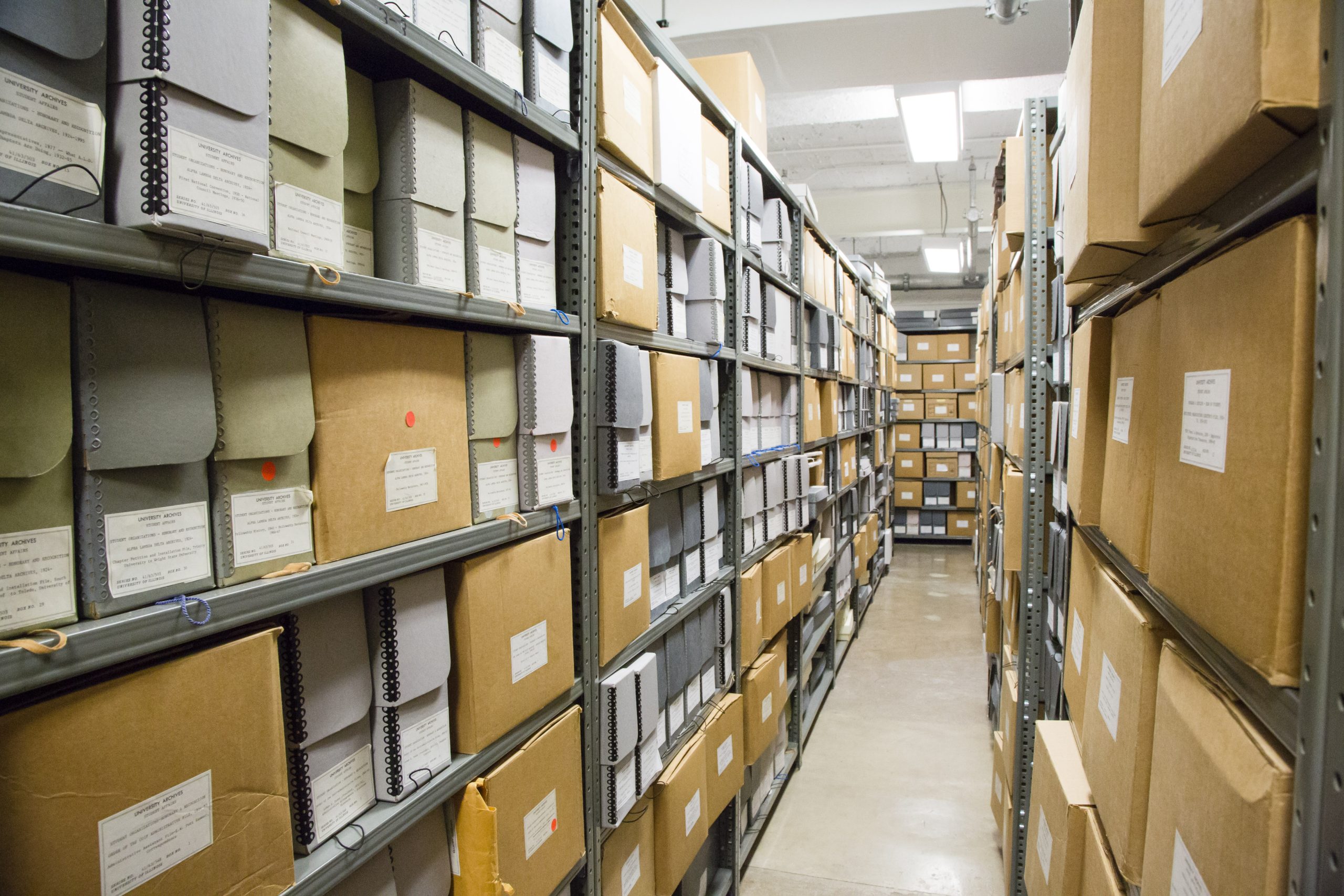
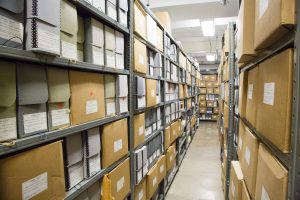
University of Illinois archive materials on shelves at the Student Life and Culture Archives.

On March 14, the White House issued an Executive Order calling for the elimination of the non-statutory components and functions of seven agencies, including the Institute of Museum and Library Services (IMLS); later actions put all staff at the agency on administrative leave. Discontinuation of all funding from IMLS appears imminent, and many grants have already been canceled, including grants to the University of Illinois Urbana-Champaign Library. The White House also terminated more than 1,000 grants from the National Endowment for the Humanities (NEH) and indicated it intends to significantly reduce the agency’s staffing. The Library has received notification that its two grants from NEH have been canceled.

These developments mark a significant time for the University of Illinois Urbana-Champaign and institutions nationwide. The loss of support from IMLS and NEH jeopardizes decades of sustained investment in cultural preservation, scholarly communication, and academic research.

“Funding from the National Endowment for the Humanities and the Institute of Museum and Library Services has been important in extending the life of, and access to, the renowned collections we hold at the University of Illinois. These grants have also advanced critical domain research and developed the faculty and staff whose expertise enhances the success of our students and faculty. Although most IMLS and NEH grants are modest compared to the large grants from federal science agencies, the matching funds we have been able to attract thanks to this federal support have significantly extended our reach, helping to meet students and scholars where they are, across our state and around the world,” said Juanita J. and Robert E. Simpson Dean of Libraries and University Librarian Claire Stewart. “We feel it’s important to share this information with those who utilize our Library. Eliminating this funding will endanger vital advances in research and service innovation for years to come.”

National Endowment for the Humanities

Since 1966, the NEH has provided over 40 grants to the Library, totaling more than $20M in direct support. These include:

  • Preservation microfilming of non-English language materials, newspapers, musical scores, and other materials
  • Processing of archival materials such as the Carl Sandburg Papers
  • Planning for cooperative preservation programs
  • Development of an endowment for ongoing support of cataloging, preservation, and access projects
  • HVAC improvements for archival storage and preservation
  • Newspaper cataloging, microfilming, and digitization
  • Digitization of emblem book collections
  • Application of machine learning to archival materials

The termination of NEH grant funding directly affects two current Library projects: the Illinois Digital Newspaper Project and “No Longer at the Margins: A Digital Project to Amplify Access to the Archives of Women in Science.”

Since 1989, the Illinois Digital Newspaper Project and its predecessor projects in the Library have been awarded more than $5.6M in grant funding from NEH. These funds have supported the cataloging of thousands of Illinois newspaper titles, the microfilming of selected publications, and the digitization of nearly 615,000 pages from newspapers published across the state—many representing unique ethnic, political, and religious communities. The current phase of the project focuses on digitizing 100,000 pages, concentrating on newspapers from suburban areas and southern Illinois. The current NEH grant is nearly complete; however, another round of funding has been requested to support the digitization of newspapers by or about Native Americans in Illinois.

“No Longer at the Margins” is a digital project to expand access to archives of women in science, beginning with domestic science collections from the University of Illinois and the University of Minnesota. The project involves digitizing 21 linear feet of material and developing partnerships, workshops, protocols, and machine-generated datasets for computational research.

“The goal of this project was to use computational tools such as AI and machine learning on digitized archival materials to discover and promote the work of women scientists in the field of home economics, which historically was an important, if not the only way that women were able to gain entry into the scientific community,” said Bethany Anderson, Natural and Applied Sciences Archivist. “Without this funding, Illinois’s vital contributions to the field of home economics, and to the advancement of women in STEM, will continue to be underexplored if not totally unknown. As we see it, this is a devastating blow to our community’s attempt to recruit women into STEM fields and it comes at a time when science and engineering are more important than ever.”

NEH has been a consistent supporter of innovation in preservation and access, scholarly publishing, and digital humanities. Currently, several Library applications are pending with uncertain outcomes, and the Library faces reduced capacity to pursue future funding in these areas.

Institute of Museum and Library Services

Research libraries across the country benefit immensely from funding provided by the Institute of Museum and Library Services (IMLS), which was established in 1996, from predecessor offices dating back to 1937. This support enables libraries to undertake transformative projects that preserve history, expand access to knowledge, and enhance efficiency in serving their communities.

For instance, IMLS funding has supported the development of collaborative, multi-state initiatives to build comprehensive shared collections. These projects ensure that regional cultures and histories are preserved and accessible for generations to come, serving both public and academic library users.

Since 1998, the Urbana campus has received $22,925,237 of funding via 70 IMLS awards through its National Leadership and Laura Bush 21st Century Librarian Programs. Of these, 24 awards totaling $7,044,501 were made to the Library. The grants funded a range of priorities, including digital library development, digitization, software development, preservation assessment, mobile app development, and other areas.

In the Library, IMLS most recently funded a National Leadership Grant to develop a technical standard for preserving email messages in PDF format. After previously receiving support from the Mellon Foundation, this implementation grant was a highly effective use of federal funds, fostering both a library/industry partnership with the PDF Association and proof-of-concept software that improves archival preservation of digital records.

“While work on this grant is largely complete, its termination, along with that of every other outstanding IMLS grant across the nation, points to a serious backtracking from longstanding and bipartisan federal support for libraries, archives, and museums,” said Professor Christopher Prom, director of the project. “The National Leadership and Laura Bush 21st Century Librarian grants, which were awarded under a highly competitive peer review process, also provided essential employment and professional training opportunities for generations of students and new professionals. This leaves us with a triple loss: to the institutions, to individuals, and to the public interest.”

Broader impacts include cuts affecting the Illinois Heartland Library System (IHLS), which provides interlibrary loan services statewide. IMLS funding through its Grants to States program is specifically targeted in Illinois to facilitate the delivery of books and library materials to support interlibrary loan services. In FY24, the Library loaned 13,721 items through I-Share to libraries across the state and borrowed 7,063 materials through I-Share for users on the Urbana campus. This funding also supports interlibrary loan program and information needs through the OCLC nonprofit, formerly the Online Computer Library Center. More than 1,000 libraries in Illinois use OCLC WorldCat Discovery/FirstSearch services. During FY24, Illinois libraries conducted nearly one million citation searches to serve their library patrons and support their library operations.
New Reflection Room in the Main Library

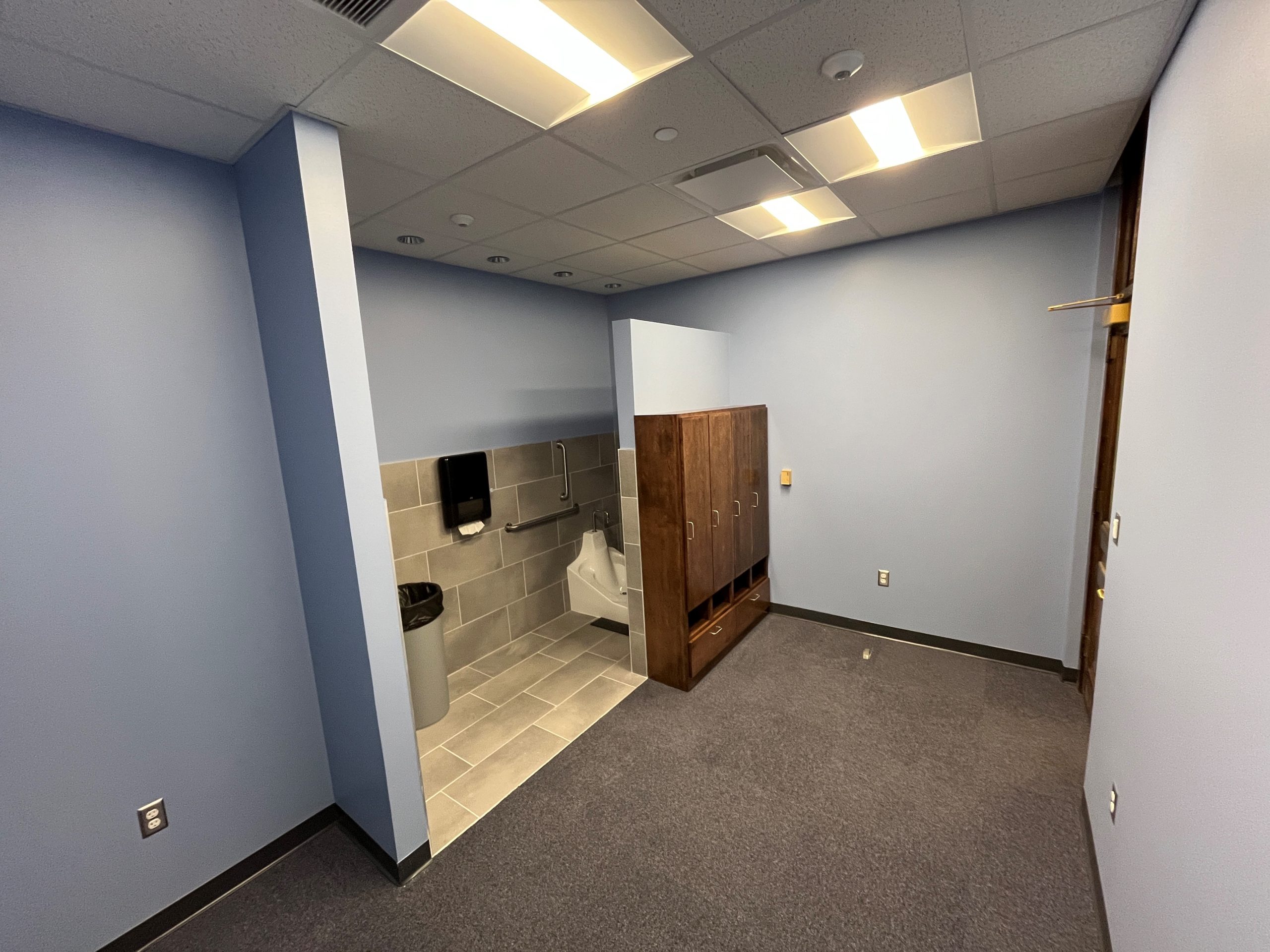
Reflection Room in the Main Library

The University Library announces the opening of a new Reflection Room—a quiet, welcoming spot for reflection, meditation, contemplation, or prayer. Features include a couch and non-locking cubbies for belongings, as well as a foot washing station. The Reflection Room is located in Room 438 of the Main Library and is open to all during regular building hours—no reservation is needed.

There is also a Reflection Room in Grainger Engineering Library Information Center (Room 229).

Illinois Data Bank Achieves Core Trust Seal Certification

The University Library is pleased to announce that the Illinois Data Bank has been officially certified as a Core Trust Seal repository. This certification recognizes Illinois Data Bank’s ability to meet detailed criteria that demonstrate excellence in data stewardship, reinforcing its commitment to provide a secure and reliable platform for data sharing to the University of Illinois Urbana-Champaign research community.

The Core Trust Seal is an international certification framework that evaluates repositories on key criteria including organizational infrastructure, digital object management, and the preservation of data. By achieving this certification, the Illinois Data Bank demonstrates its adherence to best practices in data management and ensures that researchers can trust the repository for long-term data preservation and access.

Illinois Data Bank’s mission is to centralize, preserve, and provide persistent and reliable access to the research data created by affiliates of the University of Illinois Urbana-Champaign. With this certification, the Illinois Data Bank not only enhances the credibility of the data housed within its platform but also provides users with the assurance that their data is managed according to standards defined by an international community of experts.

This achievement reflects the hard work and dedication of the Illinois Data Bank team and partners who have collaborated to enhance its services and infrastructure. The Illinois Data Bank, developed and maintained within the Library as part of the campus’s commitment to the Research Data Service, is committed to supporting Illinois researchers by providing a robust platform for data management and sharing, ensuring that valuable research outputs are preserved and accessible for future use.

For more information about the Illinois Data Bank and to explore its certified repository, please visit the Illinois Data Bank. To learn more about the Core Trust Seal certification and its significance, please visit Core Trust Seal.

Rare Book and Manuscript Library Acquires First Edition of Plato’s Works in Greek

RBML curator Cait Coker, left, RBML director Lynne Thomas, and librarian Elias Petrou of the Literature and Languages Library helped guide the purchase of the book.
(Photo by Fred Zwicky / University of Illinois Urbana-Champaign)

News release courtesy of the University of Illinois Urbana-Champaign News Bureau:

The Rare Book and Manuscript Library at the University of Illinois Urbana-Champaign has acquired a rare first edition of Plato’s works printed in the Greek language.

The “editio princeps” was printed in Venice in 1513 by Aldus Manutius, the founder of Aldine Press, one of the most successful printing houses of the time.

“It was the beginning of a flourishing of classical studies, and this work contributed to that in great measure. One can’t overestimate the importance of the work in its time and place and what it did for classical scholarship,” said Kirk Sanders, a professor of classics and of philosophy and an expert in ancient philosophy.

The purchase of the book was a joint effort between RBML; the classics library collection, part of the Literatures and Languages Library; and donors George and Jamie Reveliotis of Chicago. George Reveliotis is an Illinois alumnus and a supporter of the classics department.

“We are deeply pleased to add this landmark work of Greek letters to the collections here at Illinois and we’re grateful for the donors that made that possible,” said Lynne M. Thomas, the head of RBML.

It is estimated that around 200 volumes were printed and about 40 are still in existence, Sanders said. “Our classics library is one of the largest and the best libraries for classical studies in North America and in the world. It has an enormous collection. To add something like this in RBML is a wonderful new acquisition,” he said.

The book was part of an attempt in the 16th century to revive classical studies and the study of Greek philosophy.

“This was part of a conscious attempt to make accessible in their original language the entirety of the works of Plato for study. It was incredibly important for reigniting interest in the study of Plato in the West,” Sanders said. “It was dedicated to Pope Leo X in the hope that he would be the savior of classical studies and establish something like a new Platonic Academy.”

RBML has about 30 other titles printed by Aldine Press, including about half of the works that were printed in Greek during Manutius’ lifetime. Aldine Press was “a precursor of what we think of as a university press. It was the first to put together side-by-side translations and works for scholarly study,” Thomas said.

Printing the volume of Plato’s works in Greek was a massive undertaking, said RBML curator Cait Coker.

“One of the things that is extraordinary about it is that the Greek typography is really challenging because of all the accents. The letter ‘a’ has 46 different versions,” Coker said. “Despite the difficulties of developing Greek typography, Greek literature was very important, and its classical texts were standard bodies of work read by scholarly people.”

Manutius created new set of Greek typographical characters based on handwriting and made specifically for printing this work, said Elias Petrou, the librarian for classical studies, medieval studies and modern Greek studies in the Literatures and Languages Library. The process of creating the typeset itself may have taken up to a decade, he said.

Manutius implemented several technological advances in printing the Plato volume, Petrou said. Manutius created smaller, portable books that could be carried around, in contrast to the massive books that had to be used in the place where they were kept. While the Plato volume is quite large by today’s standards, it was small for its time, he said.

Manutius used compressed paper and italics to save space, and he introduced the use of punctuation such as the comma and semicolon to help readers better understand what they were reading, Petrou said. The text of the Plato book is in the middle of the pages, with wide empty margins for users to make notes. The book purchased by RBML has very few notes and is in its original condition other than being rebound in the 17th or 18th century, he said.

“This is in mint condition. It looks like almost no one touched it,” Petrou said.

Sanders said he is looking forward to taking students to see the volume.

“It’s amazingly beautiful. It’s the sort of thing to get students excited about the history of scholarship and ancient philosophy,” he said.

The book will travel to a Feb. 10 event at Chicago’s National Hellenic Museum to celebrate its acquisition with the Reveliotis family, other members of Chicago’s Greek community, the consul general of Greece in Chicago, Greek dignitaries and classics scholars. The event coincides with celebrations for the International Day of the Greek Language on Feb. 9. The volume will be packaged in a padded travel case, and RBML commissioned a new traveling exhibit case, which is being made by the university’s mill shop, Thomas said.

A similar event to showcase the new volume will take place on campus in May.