I thought this book would be a double poison pill, spiced with anise, like all that unwanted Good & Plenty one used to get on Halloween. Good & Plenty it is not; more like Short & Lovely (haha), a pleasing meditation on how to pursue a good life. Continue reading “HPNL Browsings: “In the Presence of Schopenhauer””
News
New Digital Collections for Fall, 2022
August Blog: Obon!
Happy August! It’s August which means it’s time for the Bon Festival, called Obon (お盆) in Japan. Obon is a Japanese Buddhist festival to honor one’s ancestors. It’s called the Ghost Festival in China and versions are celebrated all over Asian countries, especially those which have a strong Buddhist presence. Continue reading “August Blog: Obon!”
July Blog Post: Julius Caesar’s Month
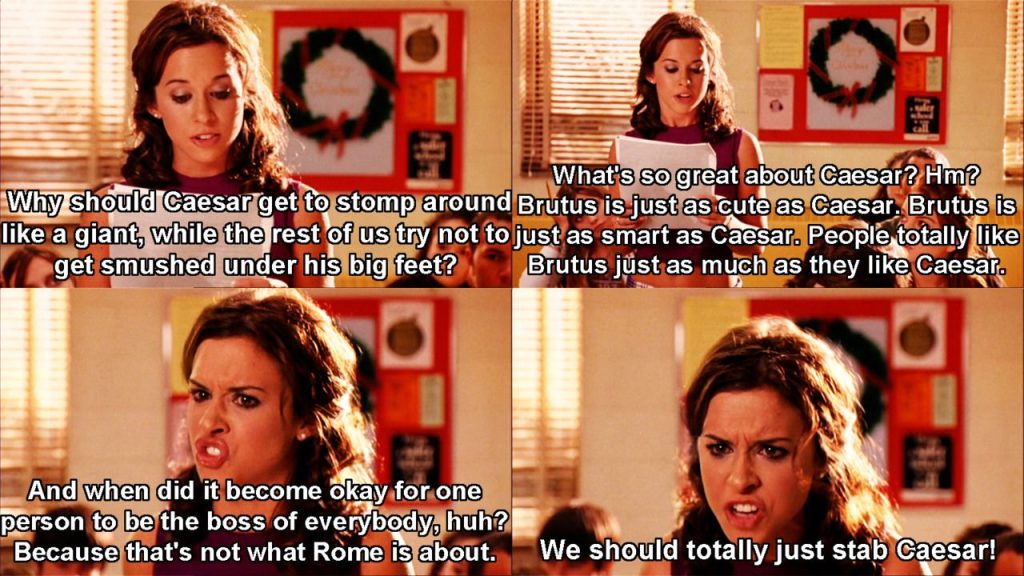
Happy July! Did you know July is one of only two months named for a person? (The other month named for a person is August, for Augustus great-nephew/adopted son-heir of Julius Caesar) Continue reading “July Blog Post: Julius Caesar’s Month”
Trial Access to ProQuest’s Electronic Resources Concluding August 2022
[Post by Heather Murphy]
In 2019, the University Library secured trial access to the ProQuest “Access and Build Program” giving faculty, staff, and students at Illinois the ability to search 115 electronic resources. Over the years, the Library supported this evidence-based acquisition program, ProQuest added new databases, and the Library used accumulated credits to purchase those that demonstrated the most use. These multidisciplinary resources spanned the humanities, music and the arts, the social sciences, and some scientific disciplines, and each resource available through the ProQuest Access and Build program was marked in the Library’s catalog as being available on a trial basis. Continue reading “Trial Access to ProQuest’s Electronic Resources Concluding August 2022”
Zion, IL: Utopia on the Prairie
In researching context for newspapers in the Illinois Digital Newspaper Collection I came across the fascinating history of Zion, IL, formerly Zion City, which was created as a utopian community in 1901 by an evangelical and early Pentecostal faith healer named John Alexander Dowie. In its early years the city did not allow drinking, dancing, smoking, card playing, theater, or even driving more than 10 miles an hour. Zion is a small town south of Kenosha and north of Waukegan in Lake County, Illinois. It is currently home to a nuclear power plant but boasts a rich history in American religious movements and utopian city planning. Continue reading “Zion, IL: Utopia on the Prairie”
What’s Missing from this Digital Collection?
Many of our digital collections were created from microfilm surrogates, which is to say that the original print collection was at some point microfilmed (mostly in the 1970s, 1980s, and 1990s) for sale to libraries. Our own library bought many of these microfilm collections. Because it’s so much less expensive to digitize from microfilm (than from print originals), and because digitizing from microfilm spares those print originals from unnecessary wear and tear, many of our digital collections were created from these microfilm surrogates. You might be wondering how to determine whether a collection was digitized from microfilm. One good sign is if the documents in the collection are displayed in black-and-white (especially low bit-depth black-and-white) rather than color. Collections digitized directly from original print documents will usually display those documents in color. For example, the following: Continue reading “What’s Missing from this Digital Collection?”
Food History Guide
Looking for new and old recipes? Wanting to know more about the history of food? Check out our new Food History Guide [guide no longer available, please ask a librarian for more information]!
This new guide to food history has been adapted and expanded from the HIST 200 Guide “Thinking Historically About Food”
New Libguides
New library guides for Religion have been added including
Hinduism Research [No longer available, please ask a librarian for more information]
Introduction to Scholarly Research for Undergrads
The International and Area Studies Library is pleased to announce the return of their series “Introduction to Scholarly Research,” which was developed to support undergraduate students with research projects. It is designed to help students become more comfortable with conducting research and writing academic papers. Continue reading “Introduction to Scholarly Research for Undergrads”