The University of Illinois Urbana-Champaign Library and the Department of History are pleased to announce a Research Travel Grant to support scholars conducting research in any of the Library’s collections.
The University Library is one of the largest research libraries in the U.S., holding more than 14 million volumes and 24 million other items and materials in all formats, languages, and subjects. Special collections include the papers of literary figures such as Marcel Proust, H.G. Wells, Carl Sandburg and Gwendolyn Brooks, extensive collections of Slavic and East European materials and of materials documenting the history of science, technology, international agricultural programs, and librarianship, the premier collection on international amateur sports and the Olympics, and a unique collection of sub-Saharan African research materials. Travel grant recipients will also have access to the Library’s digital collections (including journal subscriptions and licensed databases) during their stay.
For more information about the Library’s collections, see: https://www.library.illinois.edu/collections/special-collections
Travel grants awards typically range from $1,000 to $2,500 per recipient. Funds may be applied toward round-trip travel, and accommodations and expenses in Urbana-Champaign, IL.
Continue reading “Call for Applications: 2023-2024 Research Travel Grant” →
 The Illinois Newspaper Project is open for nominations now through September 30th 2023.
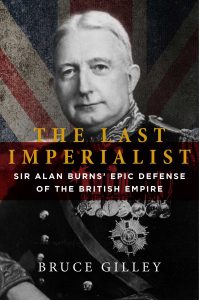 Alan Burns came from one of those families where the children all seem to have been remarkable (in personality or intellect), consequential, and ideologically irreconcilable. The Last Imperialist by Bruce Gilley might have been a nuanced study of one such family (like those captivating Mitford biographies—I think there have been almost a dozen so far). Or it could have been about the devout Roman Catholic and Anglo West Indian, from birth an establishment outsider, who made it his life mission to defend the very establishment that had rejected him. Instead, Gilley chose to write an improbable apologia of the British Empire, and while he does fold some biography into the polemic, he’s so entirely united with Burns in admiration for colonialism that the book devolves into pure encomium somewhere around page three.