On May 14, 1969, Carrie Coleman Robinson, a Black school librarian in Alabama, brought a landmark case to the US District Court. After being passed over for a promotion, Robinson sued Alabama’s Department of Education alleging that she had been denied equal protection as a department employee because of her race. Robinson’s case, and long career as a librarian, reveals much about the Jim Crow South and librarianship in the civil rights era.
Tag: black librarians
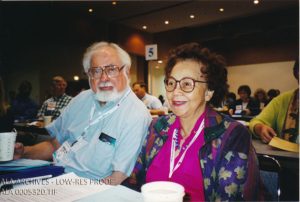
Herb and Mary Biblo: “A Very Active Husband and Wife Team in Librarianship”
Despite missing Valentine’s Day, the ALA Archives can’t let the month of February go by without talking about Mary and Herbert “Herb” Biblo, one of the great couples in American Library Association history. Between the two of them, they contributed decades of service to ALA and established themselves as advocates for social justice within the association and the profession of librarianship. In an interview with Herb, Art Friedman, a friend, succinctly and accurately, summed Herb and Mary up as “a very active husband and wife team in librarianship.”
Continue reading “Herb and Mary Biblo: “A Very Active Husband and Wife Team in Librarianship””
Librarians, Segregated: The 1936 ALA Annual Conference
This blog post is part of a series exploring the important events and people in ALA’s history for the celebration of the 150th anniversary of ALA in 2026.
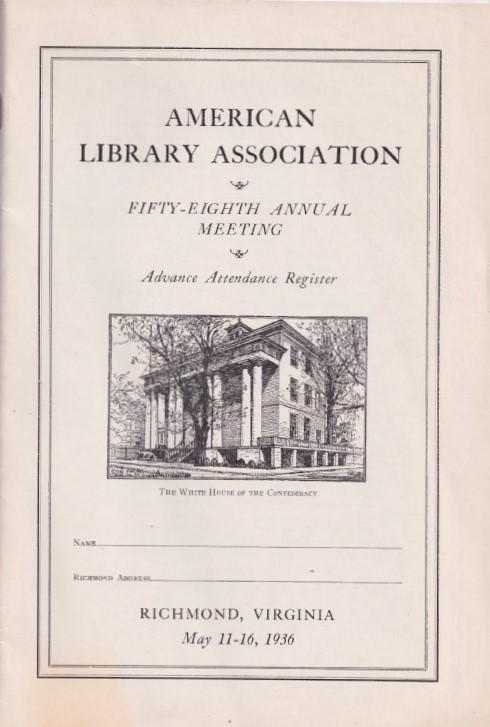
Wilson Bulletin editor, Stanley J. Kunitz, called it the “The Spectre at Richmond” – but the racial discrimination at the 1936 ALA Annual Conference was no ghostly apparition.[1] The conference was held in Richmond, Virginia, a city with Jim Crow era racial segregation laws. While the American Library Association itself had no segregation or discriminatory policies, up until 1936 they had not established any ruling against holding a conference in a segregated city where members would be subject to discrimination. Thus, “the Spectre” marched into the halls of the hotels and auditoriums, reminding all librarians present that there was still work to be done. Continue reading “Librarians, Segregated: The 1936 ALA Annual Conference”
It Runs in the Family
This month saw the passing of Satia Marshall Orange, former director of what is now ALA’s Office for Diversity, Literacy and Outreach Services (ODLOS). I had the good fortune to meet Orange early in my career, back in 2015, when she donated her father’s papers to the University of Illinois Archives. The then Assistant University Archivist, Chris Prom, planned to make the trip up to Chicago to see Orange and review her father’s papers. I asked to tag along as the ALA Archivist after hearing that Orange was a retired ALA staff member and that her late father was a librarian. She welcomed both of us into her home and was delighted to look through her father’s papers with us, share family stories, and was eager to preserve the legacy of her family.
Research Strategies: Finding African American History Materials at the ALA Archives
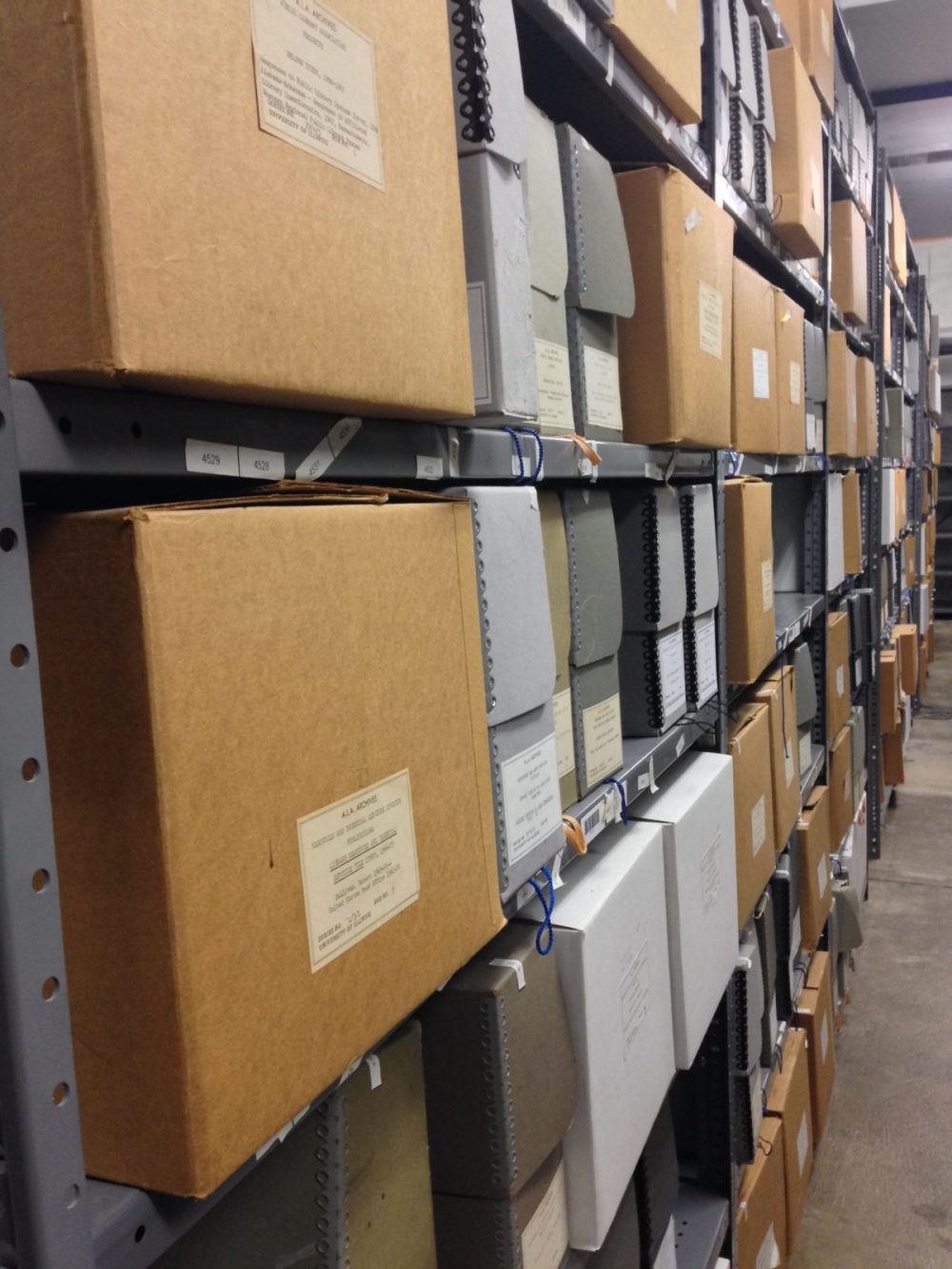
February is African American history month and we at the ALA Archives want to help you optimize your research into African American and African history. In this month’s blog post, we’ll take a tour through ALA Archives holdings and we’ll use multiple strategies for finding information.
Read on to learn more about locating African American history materials at an archives!
Continue reading “Research Strategies: Finding African American History Materials at the ALA Archives”
Publications: The Black Caucus Newsletter
Since 1974, the Black Caucus Newsletter has provided a lot of support and information to Black librarians (with a little humor too).
Read on the learn more about the art, humor, and history of the Black Caucus Newsletter!
Continue reading “Publications: The Black Caucus Newsletter”
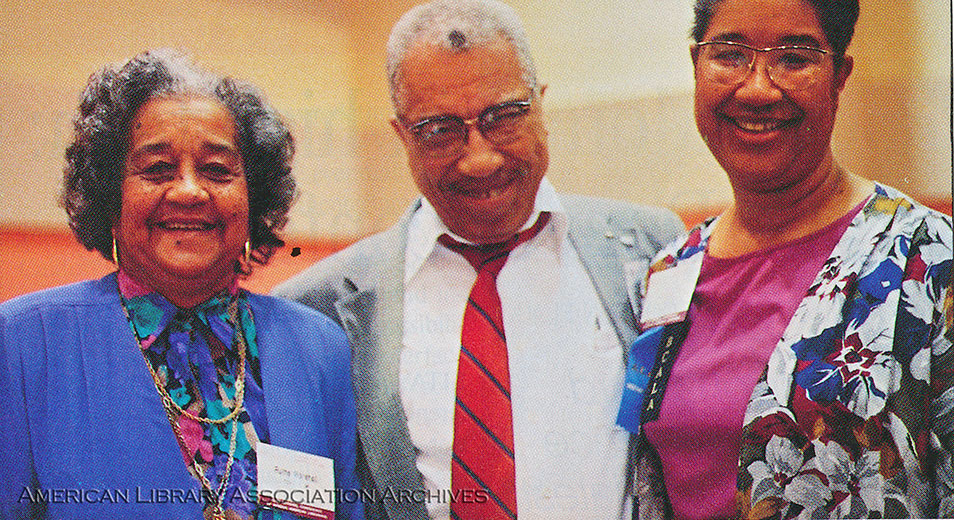
Clara S. Jones: “Awareness is Not Burdened with Repression; It is Liberating”
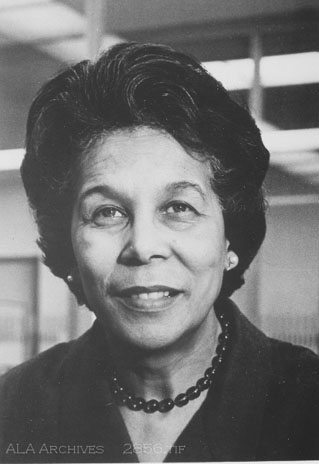
During the 1975 American Library Association Annual Conference, Clara Stanton Jones was announced as the Vice-President and President-Elect of the American Library Association. Her term as President would start during the ALA’s 1976 Centennial Conference, a fitting celebration for the first African American President of the ALA.
Her experience as Director of the Detroit Public Library and personality made her well suited for the position of ALA President. E.J. Josey noted that: “Her years of service in the trenches in Detroit before being appointed director of the library system provided her with management skills as well as a desire to love and serve her fellow human beings.”[1] Jones’ career took her all over the world, but most of her activities were community driven, working on the revitalization and cultural development of Detroit.[2] Continue reading “Clara S. Jones: “Awareness is Not Burdened with Repression; It is Liberating””
Action, Not Reaction: Integrating the Library Profession
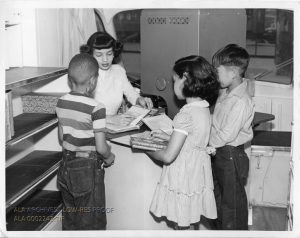
In the midst of the Civil Rights era in America, librarians were battling for and against segregated libraries in the South, however they were also battling over integration within their own ranks. Integration of the library profession was a long process that started in the early 20th century. Continue reading “Action, Not Reaction: Integrating the Library Profession”