This tool was developed by Preservation staff for use at University of Illinois libraries. The table contains information about bugs that commonly appear on traps in this area, including common and scientific name, adult and often larval images, and notes relating to the bug. All images courtesy of the Department of Entomology, University of Illinois at Urbana-Champaign, unless otherwise noted.
IPM Pest Identification Reference
| Name | Scientific Name | Approx. Size | Main Image | Alternate Image | Larvae/Nymph Image | Pest Category | Notes |
|---|---|---|---|---|---|---|---|
| Ant | Formicidae family | 2-15 mm | 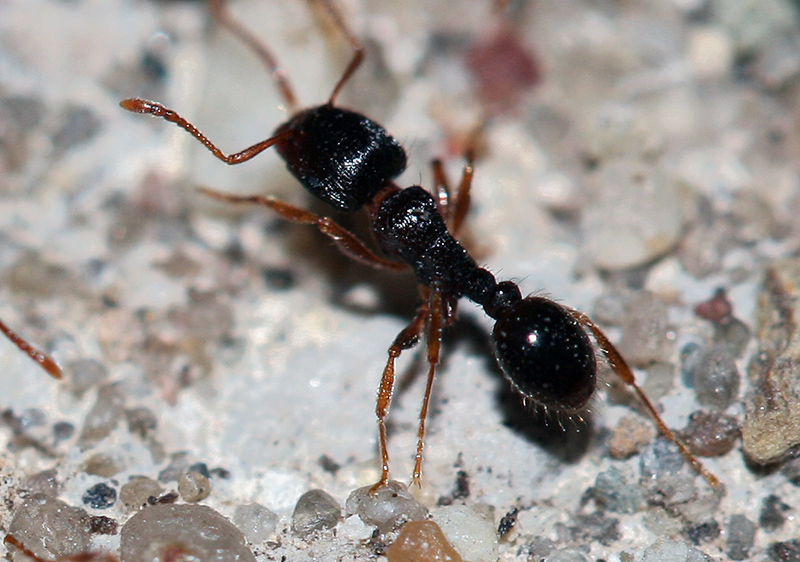 | 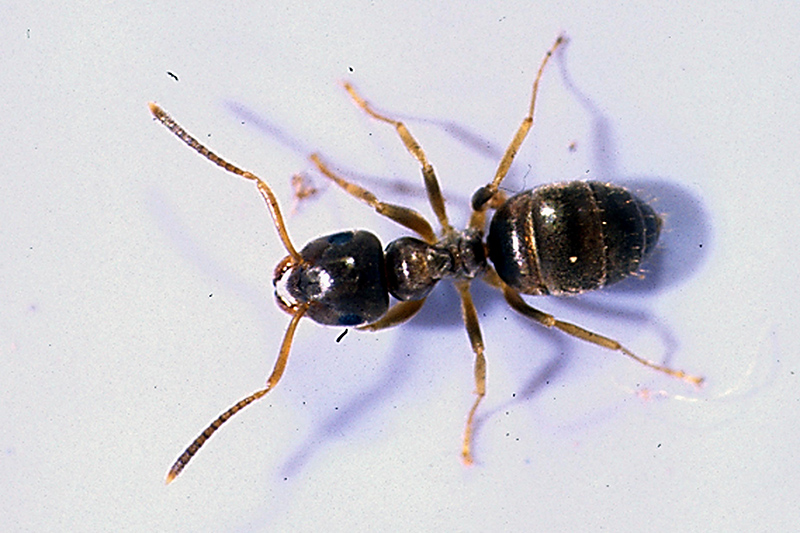 |  | Blunderer | This family covers a wide variety of any sizes and colors, but all are non-threatening to collections. |
| Ant, Flying | Formicidae family | 2-15 mm | 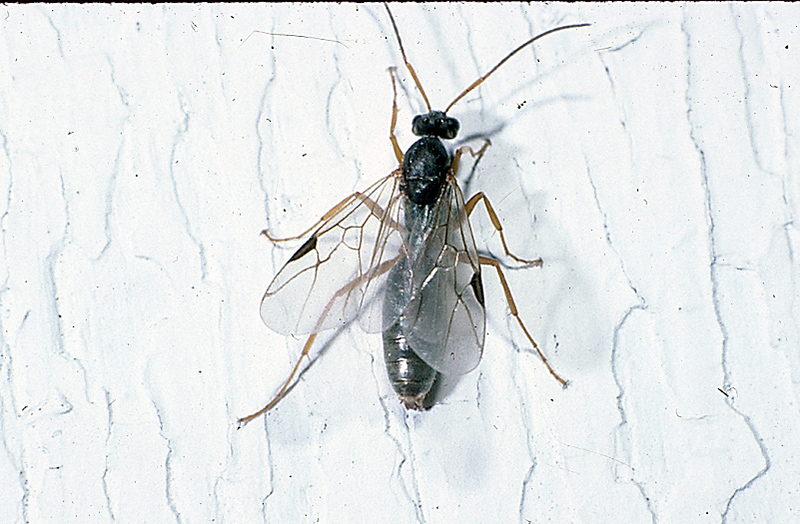 | 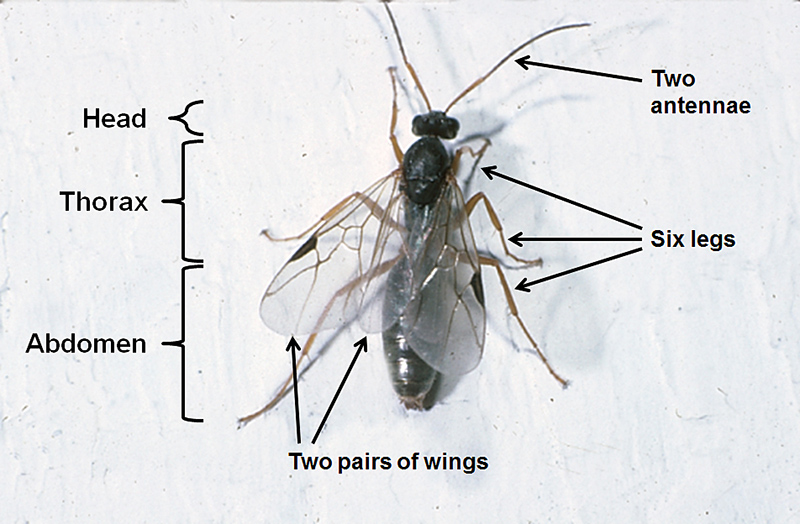 |  | Blunderer | Flying ants have elbowed antennae, two pairs of wings of different sizes, and long legs (to differentiate from termites) |
| Bee, Yellow Jacket | Vespula or Dolichovespula | 12-16mm | Danger to Humans | ||||
| Beetle, Asian | Harmonia axyridis | 5-6 mm | 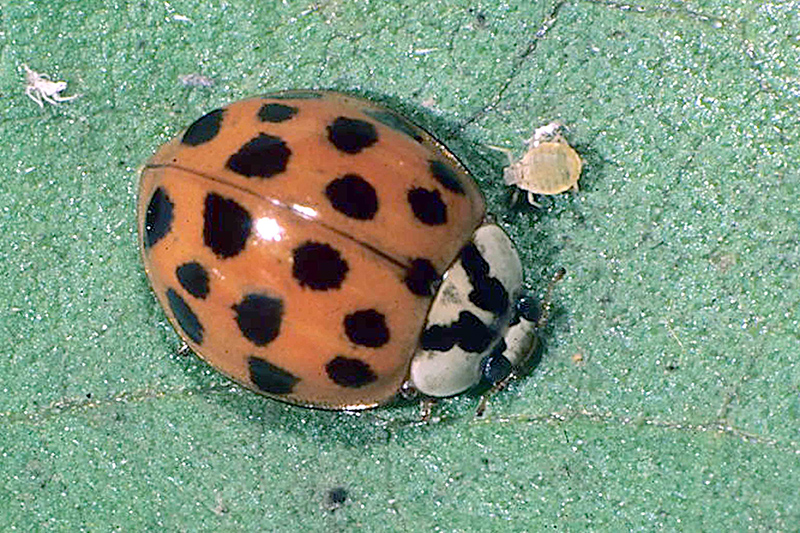 | 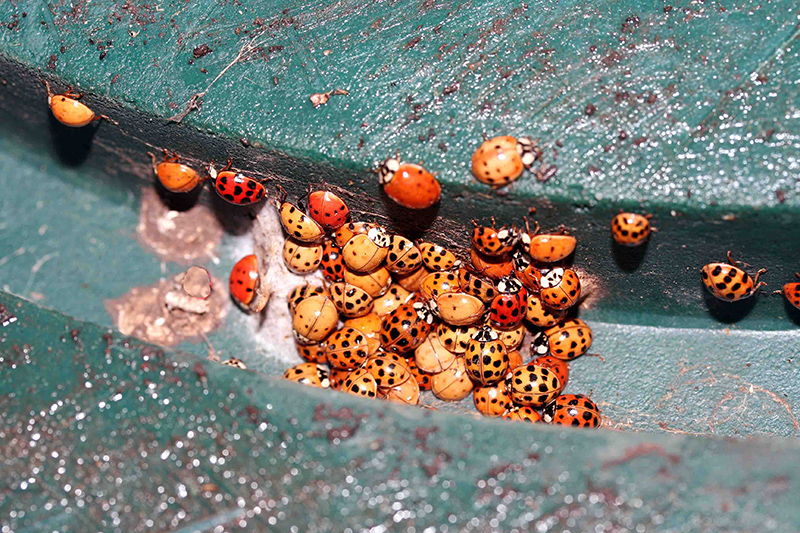 | Blunderer | These beetles are unavoidable in the fall and early winter after soy crops are harvested. | |
| Beetle, Cabinet (Warehouse) | Trogoderma angustum | 2-4 mm | 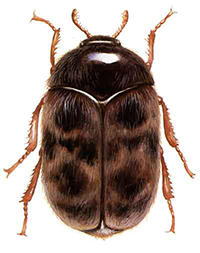 Image source: museumpests.net |  Courtesy of "Mike Quinn, TexasEnto.net" |  | Blunderer | These beetles are unavoidable in the fall and early winter after soy crops are harvested. |
| Beetle, Carpet | Anthrenus verbasci | 2-3 mm | 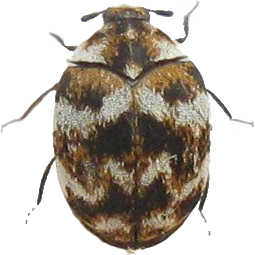 Image source: museumpests.net | .jpg) Image source: museumpests.net | .jpg) Image source: museumpests.net | Library/Museum Pest | Backs covered in colored scales. Larvae are particularly destructive and eat animal specimens, fur and feather, and woolen textiles. |
| Beetle, Cigarette | Lasioderma serricorne | 2-3 mm | 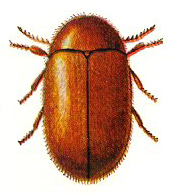 Image source: museumpests.net | 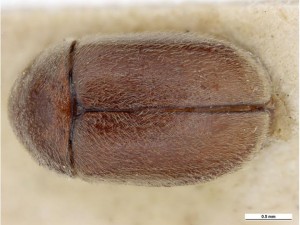 Courtesy of Clare McLellan Museum Victoria | 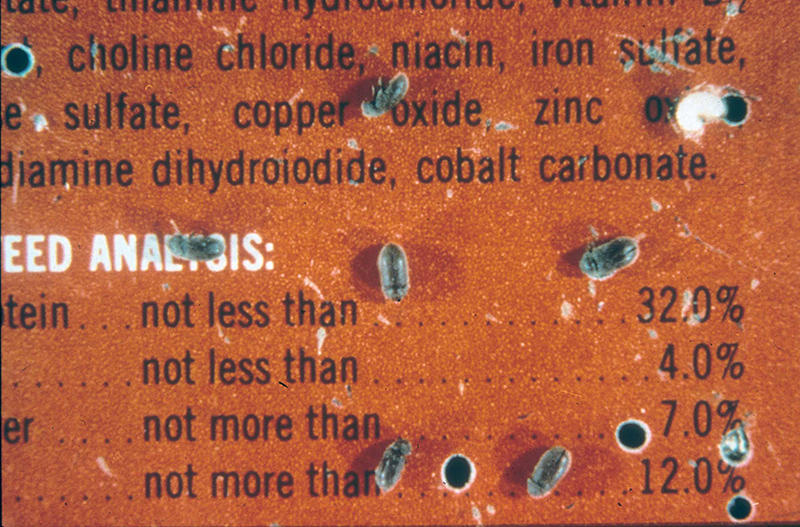 | Library/Museum Pest | Also called a tobacco beetle. Similar in appearance to a drugstore beetle, but has finer, more straight antennae and no lines on the back of their wing covers. Eat a wide range of dried plant materials including tobacco, but also known to eat animal proteins. |
| Beetle, Click | Conoderus bellus | 2-6 mm | 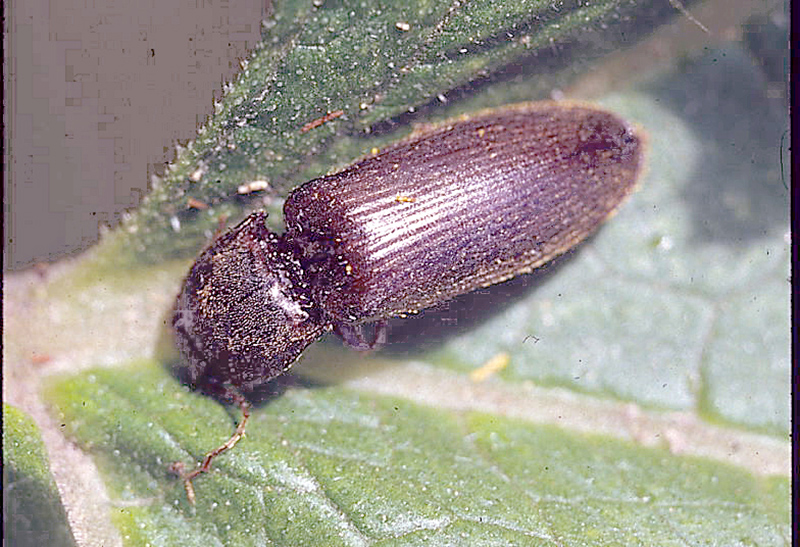 | 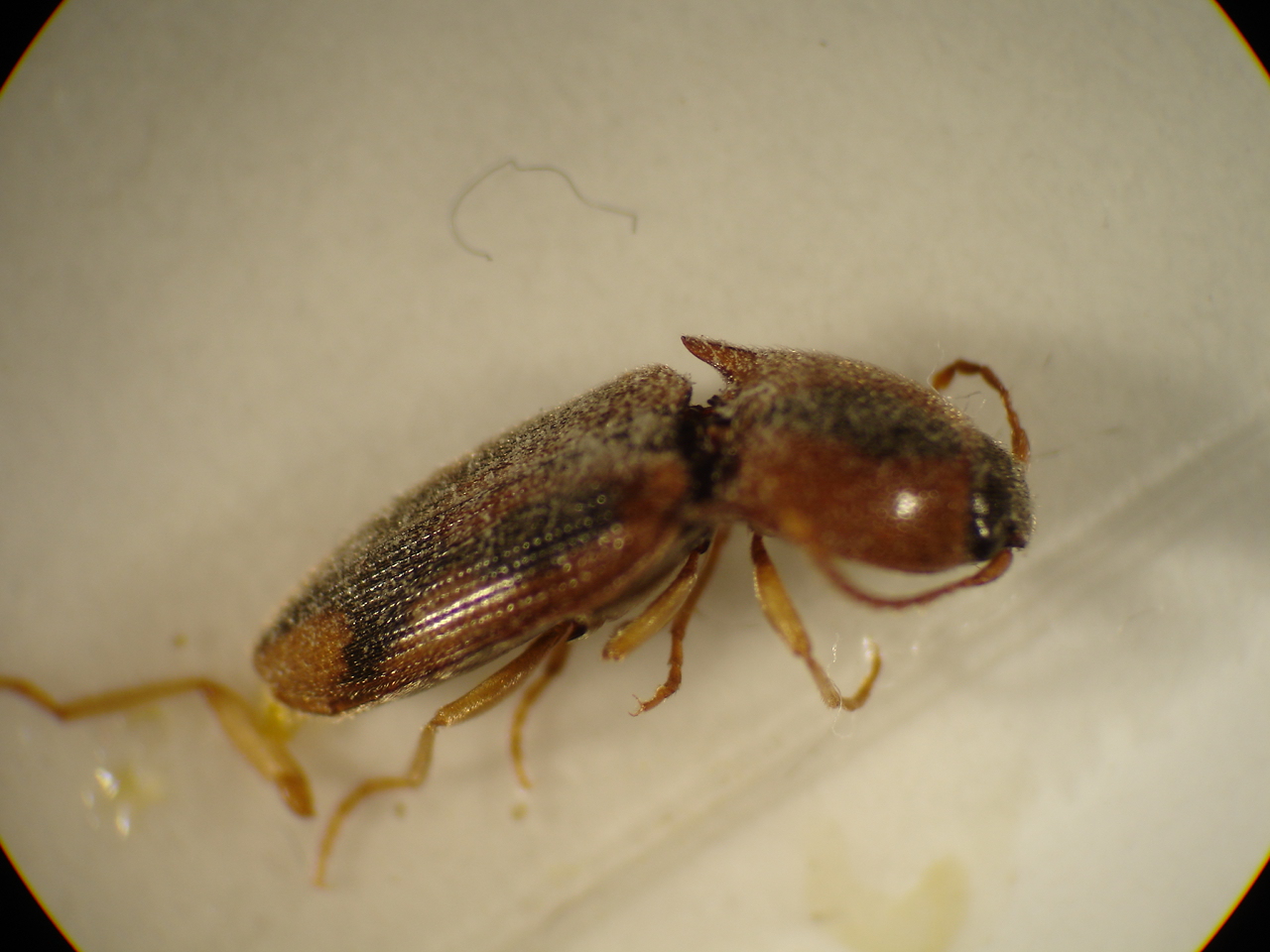 | Blunderer | Identifiable by the pointed protrusions on the corners of the thorax where it meets the abdomen. The larva are also called wireworms. | |
| Beetle, Drugstore | Stegobium paniceum | 2-3 mm | 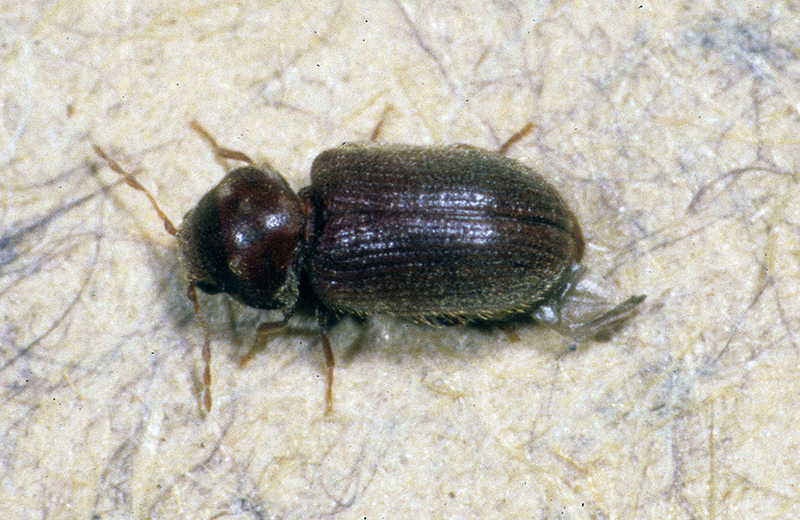 | 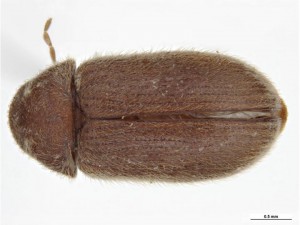 Courtesy of Clare McLellan Museum Victoria | 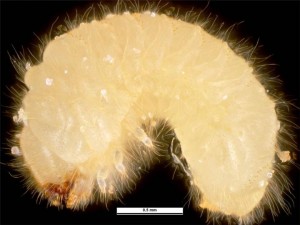 Courtesy of Simon Hinkley & Ken Walker Museum Victoria | Library/Museum Pest | Also called a biscuit beetle. Eat dried vegetable materials and cellulose, including tobacco, nuts, and dried plant specimens. Also noted to eat paper mache, some animal specimens and fungi. |
| Beetle, Furniture | Anobium punctatum | 3-5 mm | 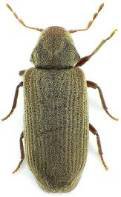 Image source: museumpests.net | 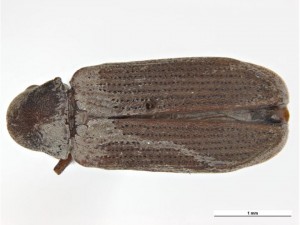 Courtesy of Clare McLellan Museum Victoria | 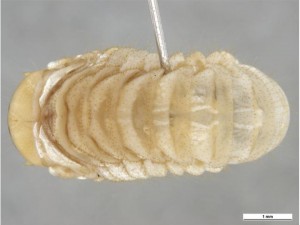 Courtesy of Clare McLellan Museum Victoria | Library/Museum Pest | Wood borer, leaves gritty frass and bored exit holes about 1.5-2 mm in diameter. Prefer cool, damp conditions. |
| Beetle, Ground | Carabidae family | 6-38 mm | 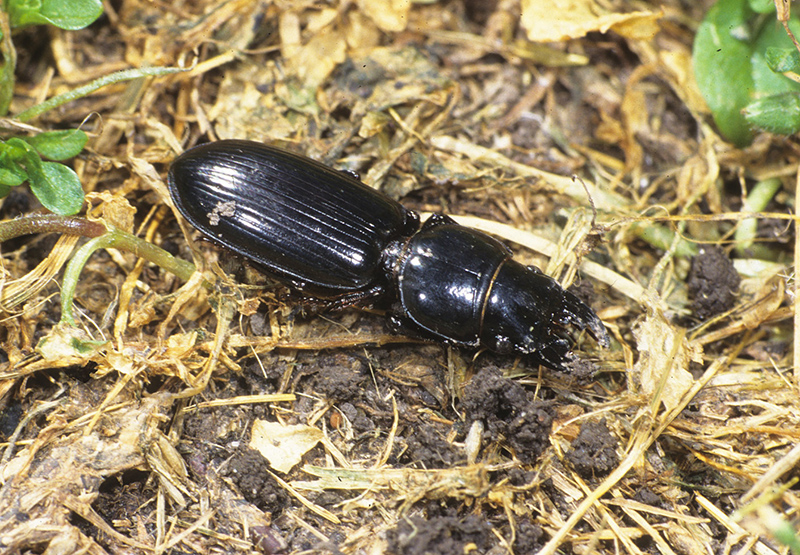 |  | Library/Museum Pest | Wood borer, leaves gritty frass and bored exit holes about 1.5-2 mm in diameter. Prefer cool, damp conditions. | |
| Beetle, Hide | Dermestes peruvianus | 7-10 mm | 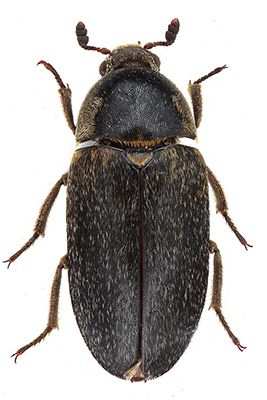 Image source: museumpests.net | 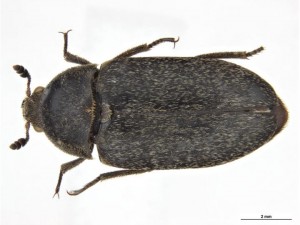 Courtesy of Clare McLellan Museum Victoria | Library/Museum Pest | Eat leather and skins, but not generally good condition tanned leather. An infestation may indicate a dead rat/pigeon or other animal somewhere on the premises. | |
| Beetle, Odd | Thylodrias contractus | 1-4 mm |  Image source: museumpests.net | 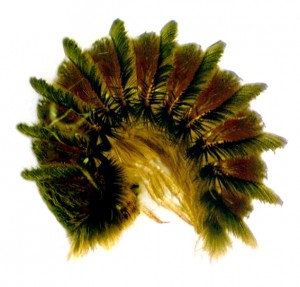 Image source: museumpests.net | Library/Museum Pest | Only the males have wings. Eats dead insects and known to attack natural history specimens. | |
| Beetle, Powderpost | Lyctus brunneus | 5-6 mm | 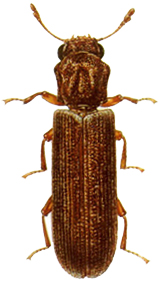 Image source: museumpests.net | 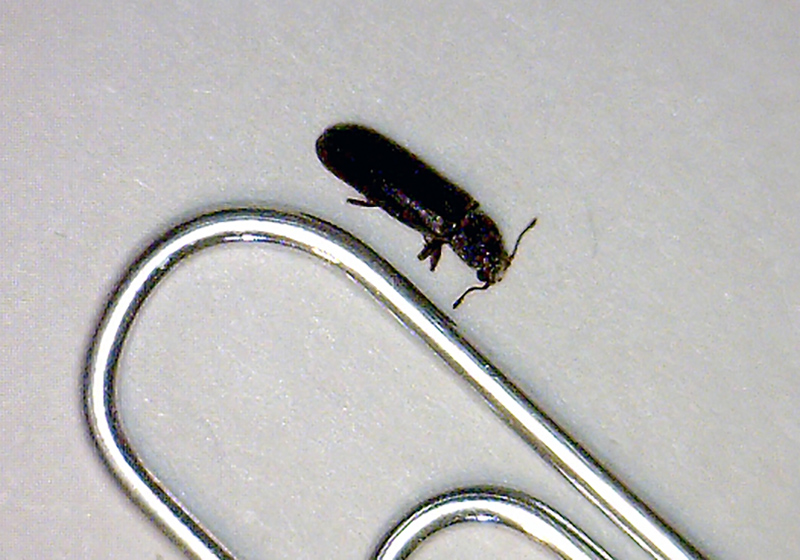 | 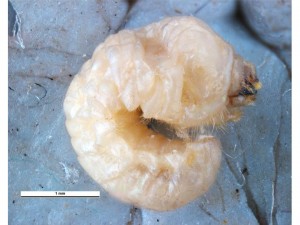 Courtesy of Ken Walker Museum Victoria | Library/Museum Pest | Wood borer, leaves very fine talc-like frass. Tends to eat relatively fresh wood. |
| Beetle, Rove | Staphylinidae family | 1-20 mm | 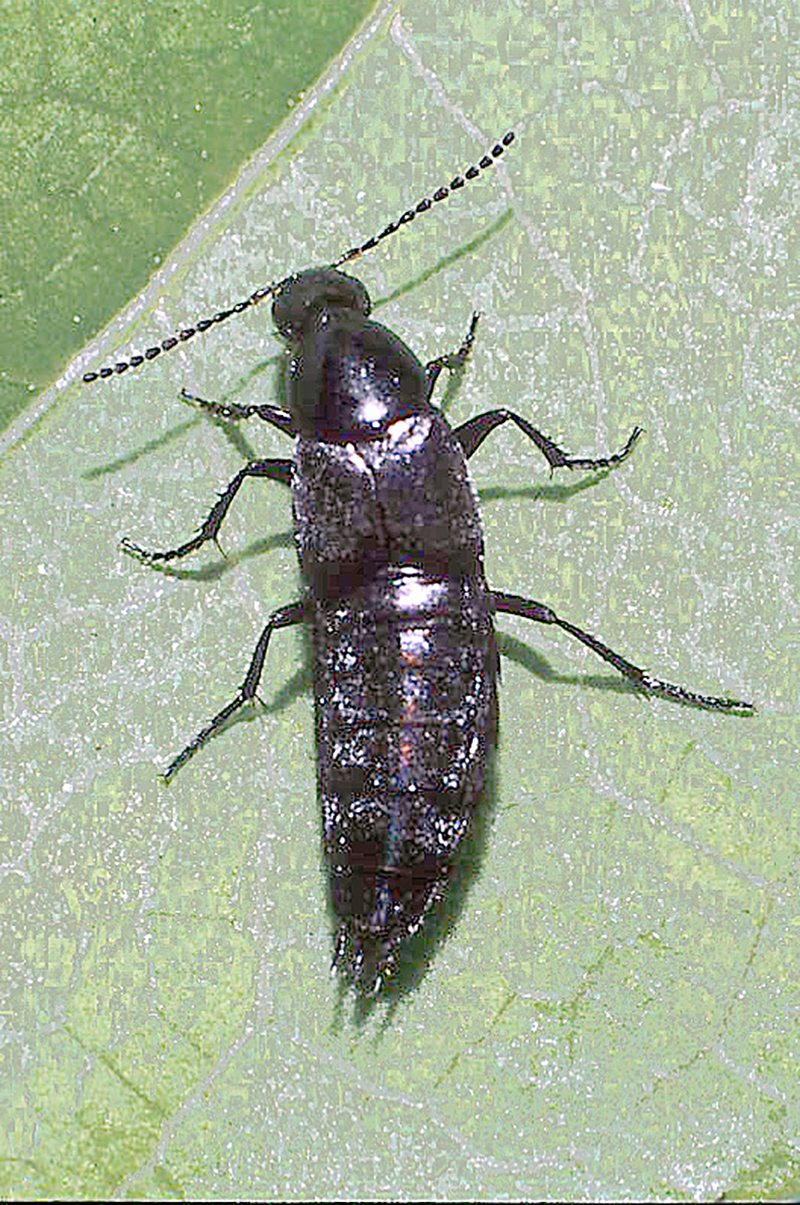 Courtesy of the Department of Entomology, University of Illinois at Urbana-Champaign | 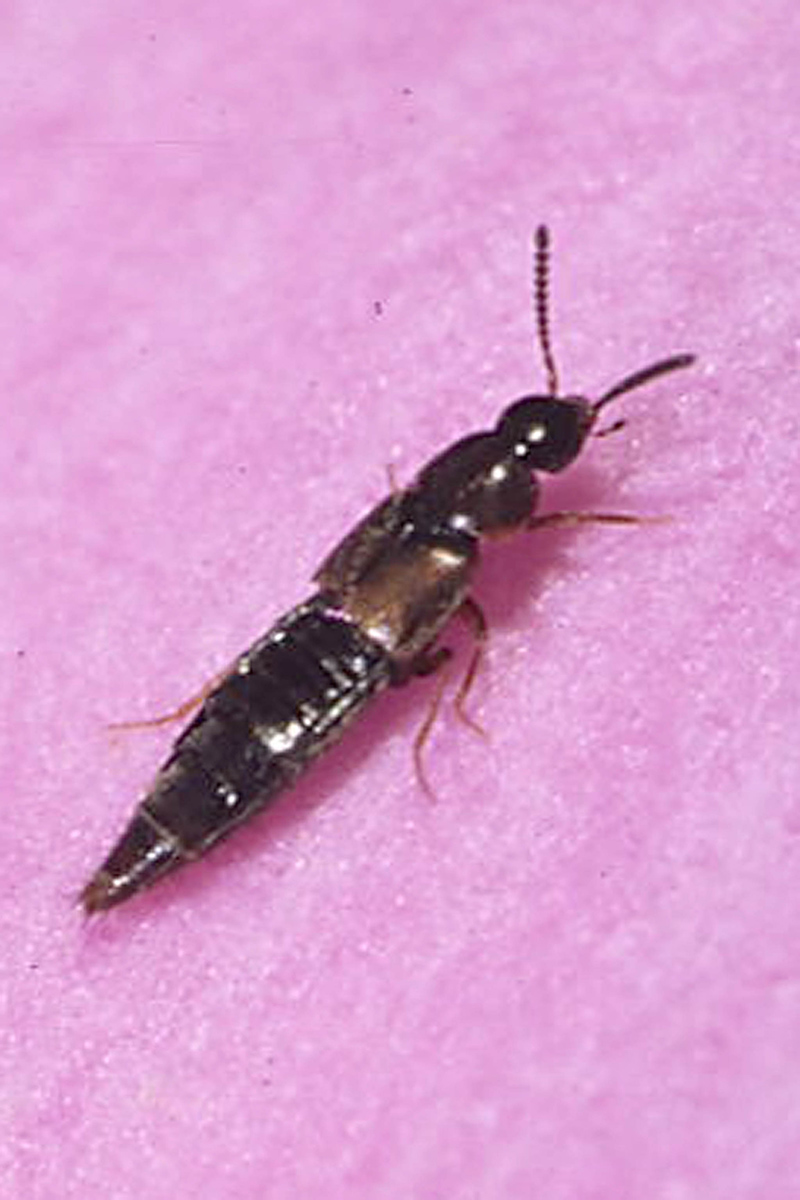 Courtesy of the Department of Entomology, University of Illinois at Urbana-Champaign | Blunderer | Identifiable by short elytra (wing covers that typically hide the abdomen) and segmented abdomen. | |
| Beetle, Spider | Ptinus tectus | 3-5 mm | 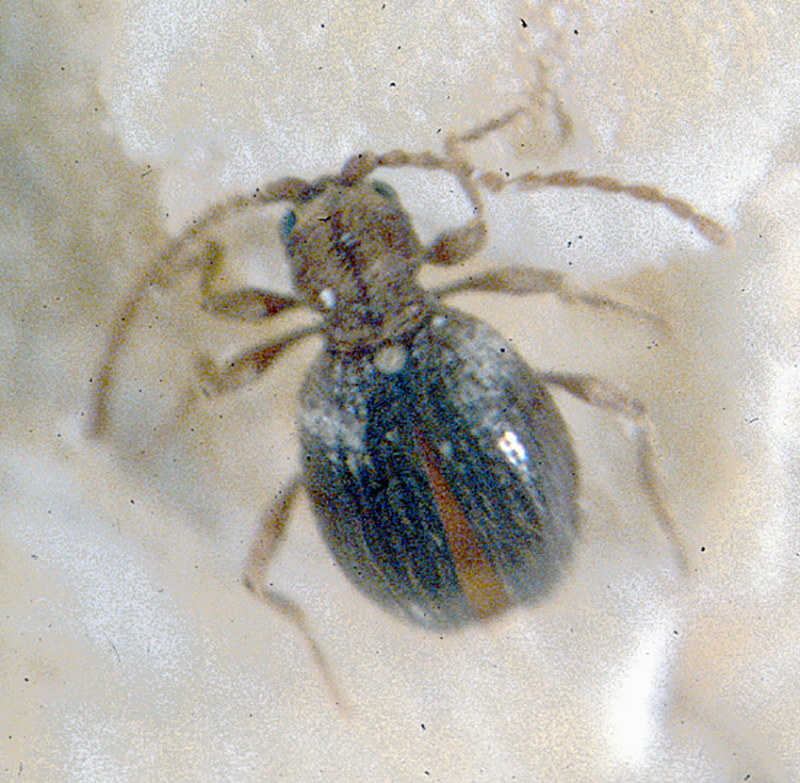 Courtesy of the Department of Entomology, University of Illinois at Urbana-Champaign | 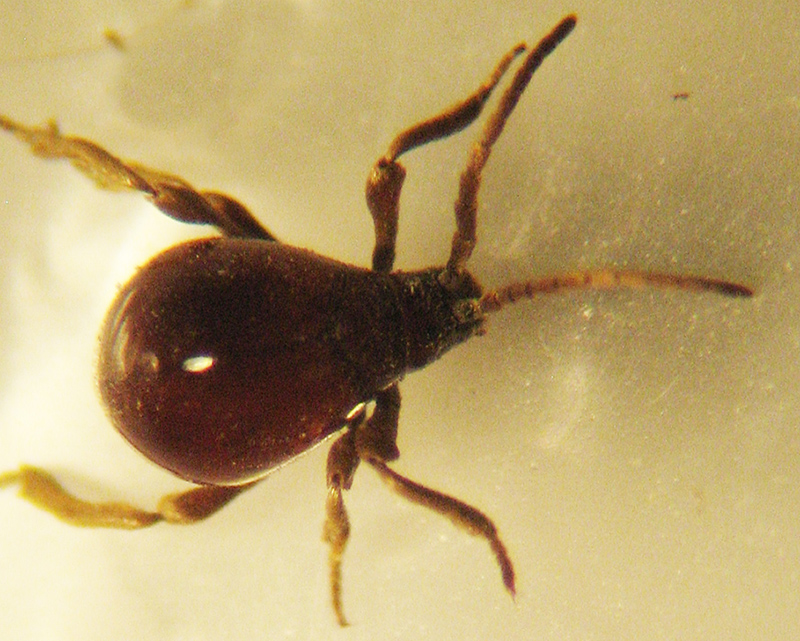 Courtesy of the Department of Entomology, University of Illinois at Urbana-Champaign | Library/Museum Pest | Feed on animal and vegetable detritus, can damage books, paper, textiles and wood if located near food. Frequently a sign of poor housekeeping or animal carcasses or nests in the vicinity. | |
| Beetle, Weevil | Curculionidae family | 3-10 mm | 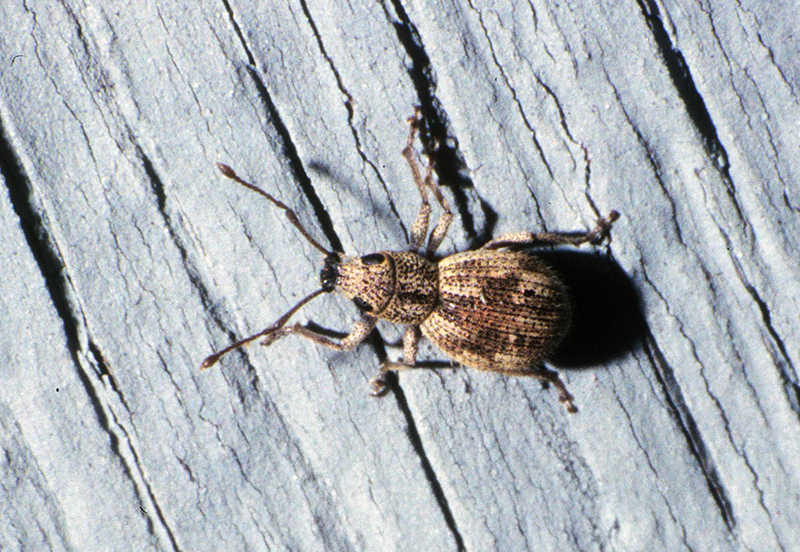 Courtesy of the Department of Entomology, University of Illinois at Urbana-Champaign | 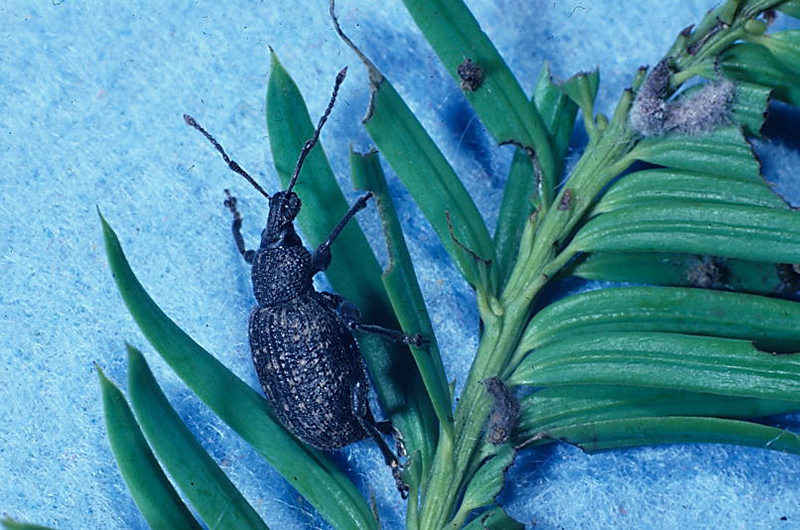 Courtesy of the Department of Entomology, University of Illinois at Urbana-Champaign | Blunderer | Most have a well-developed downward-curved snout; antennae elbowed, clubbed, and the first segment often fits into a groove in the side of the snout. | |
| Book Louse | Psocoptera | 1 mm | 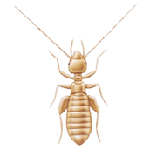 Image source: museumpests.net | 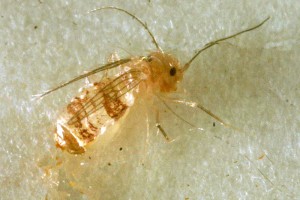 Courtesy of the Department of Entomology, University of Illinois at Urbana-Champaign | 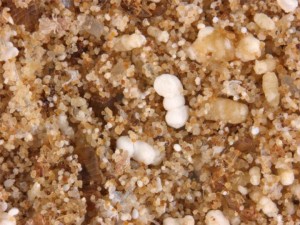 Courtesy of Ken Walker Museum Victoria | Indicator | Feed on microscopic molds and can infest flour, paper and cardboard. Prefer warm, humid (above 60 % RH) environments. |
| Centipede, House | Scutigera coleoptrata | 5-30 mm |  Image source: museumpests.net | 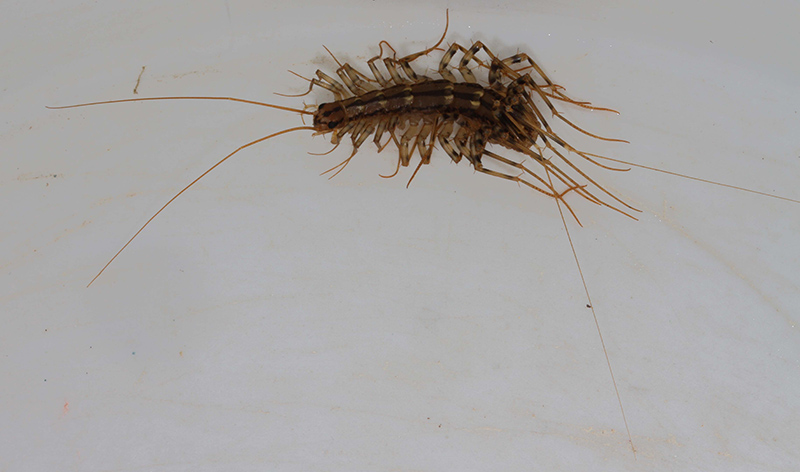 Courtesy of the Department of Entomology, University of Illinois at Urbana-Champaign | Indicator | The house centipede, has an average of 17 pairs of very long, delicate legs and a rigid body. The legs also have dark stripes. House centipedes feed on spiders, bedbugs, termites, cockroaches, silverfish and other household pests. | |
| Cockroach, American | Periplaneta americana | 30-40 mm | 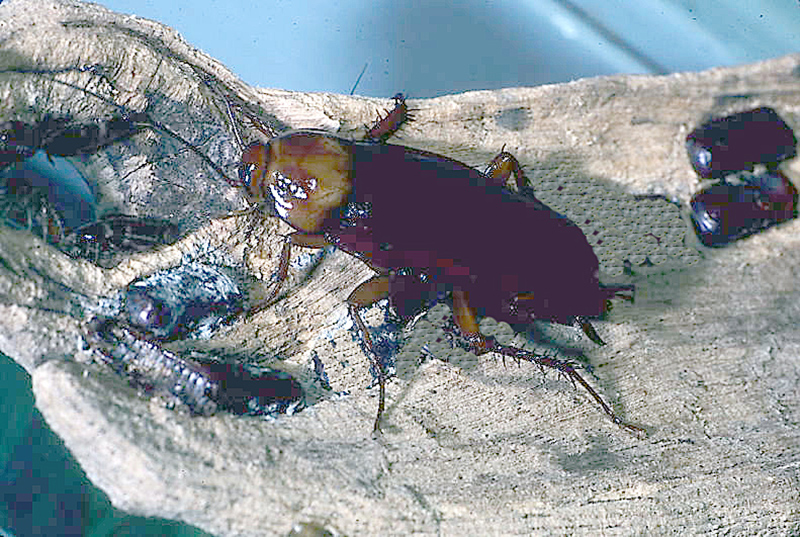 Courtesy of the Department of Entomology, University of Illinois at Urbana-Champaign | 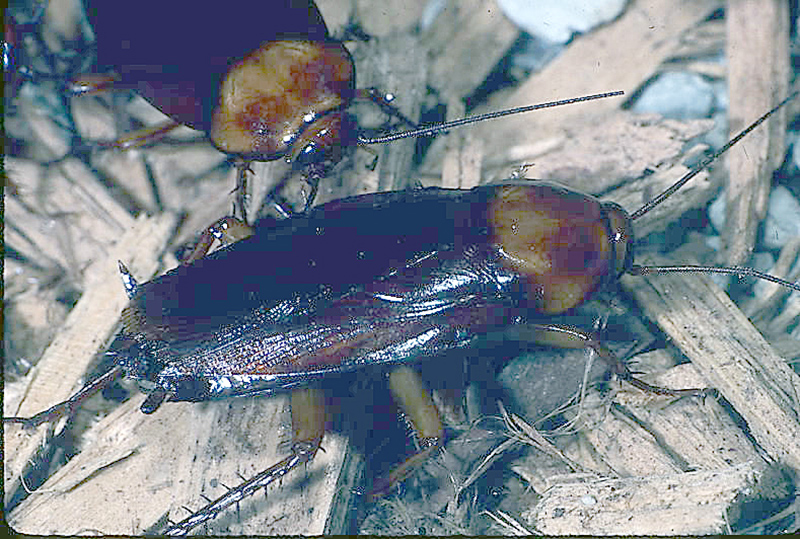 Courtesy of the Department of Entomology, University of Illinois at Urbana-Champaign | Library/Museum Pest | Cockroaches are ubiquitous in campus environments and travel through steam tunnels under campus and into facilities closets. Cockroaches can damage library materials by chewing on them or excreting onto them, which causes staining. American cockroaches are the largest species found indoors in IL and are all brown with large wings. | |
| Cockroach, German | Blattella germanica | 10-15 mm | 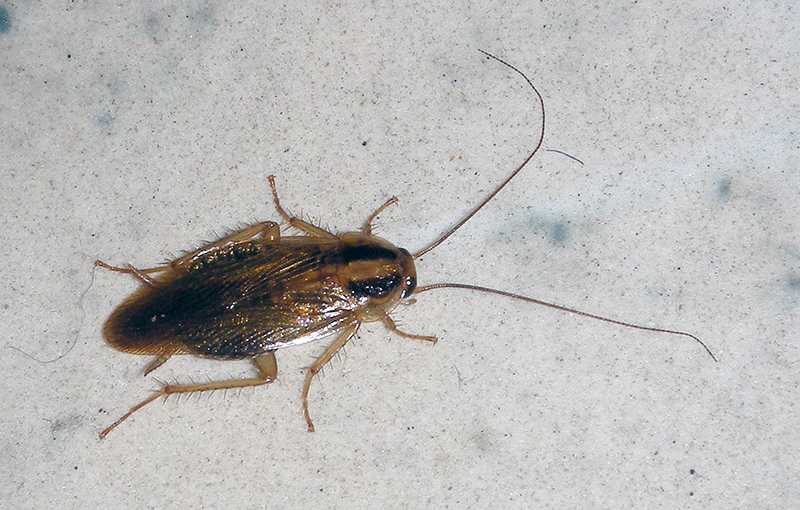 Courtesy of the Department of Entomology, University of Illinois at Urbana-Champaign | 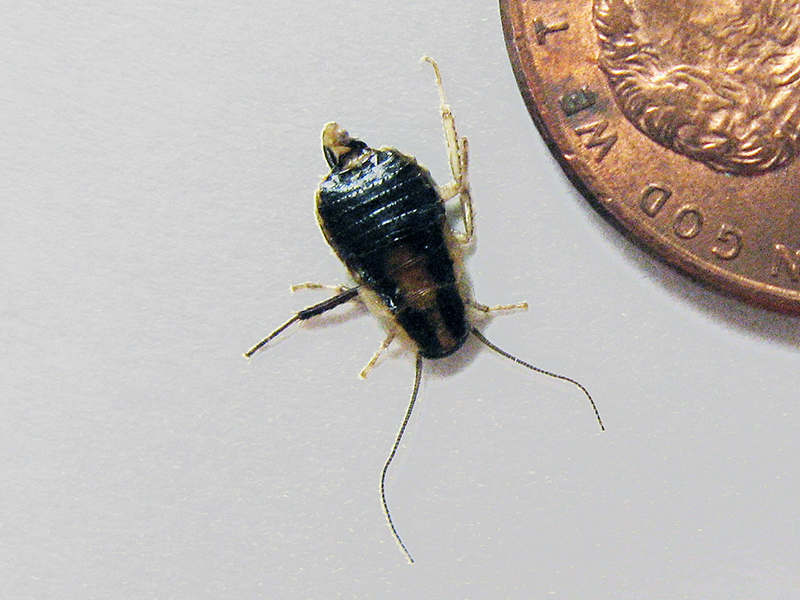 Courtesy of the Department of Entomology, University of Illinois at Urbana-Champaign | 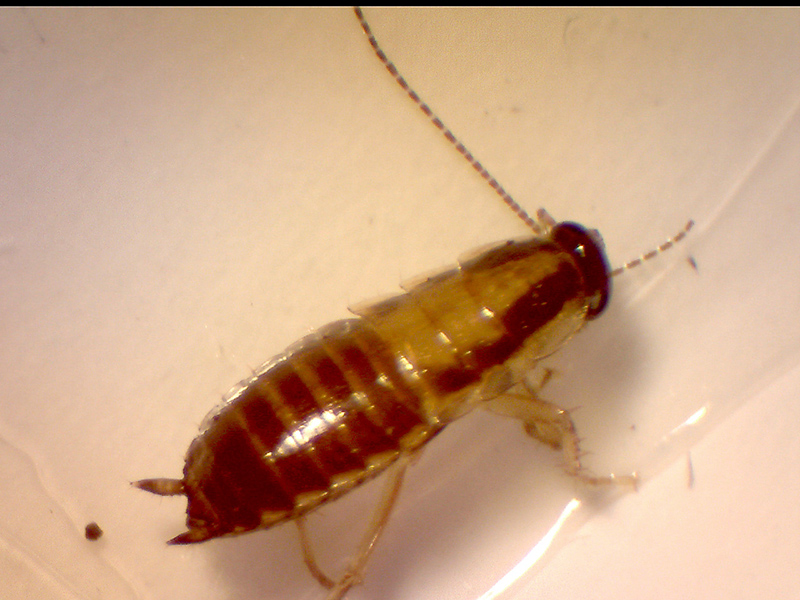 Courtesy of the Department of Entomology, University of Illinois at Urbana-Champaign | Library/Museum Pest | Smaller than the American Cockroach. Identifiable from other cockroaches by the two black stripes on the back of the thorax. |
| Cockroach, Oriental | Blatta orientalis | 30 mm | 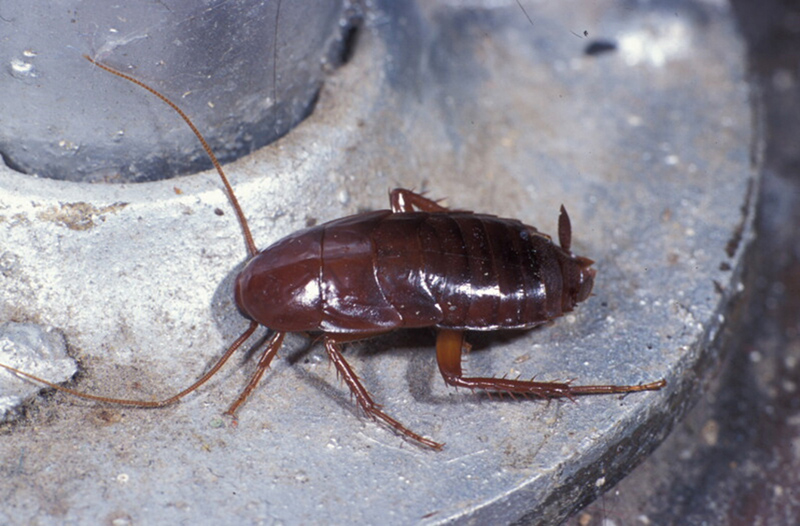 Courtesy of the Department of Entomology, University of Illinois at Urbana-Champaign | 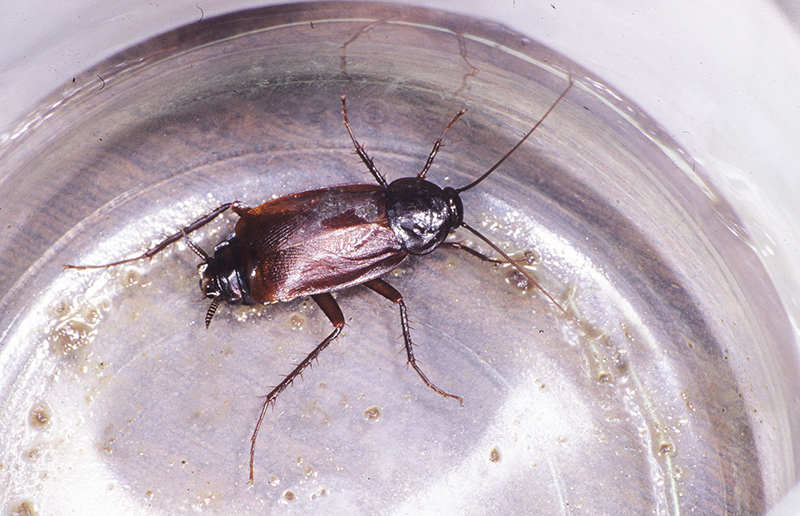 Courtesy of the Department of Entomology, University of Illinois at Urbana-Champaign | Library/Museum Pest | Smaller than American Cockroaches. Identifiable from other cockroaches by the lack of wings and darker color. | |
| Cricket, Ground . | Trigonidiidae Nemobiinae | 5-12 mm |  Courtesy of the Department of Entomology, University of Illinois at Urbana-Champaign | 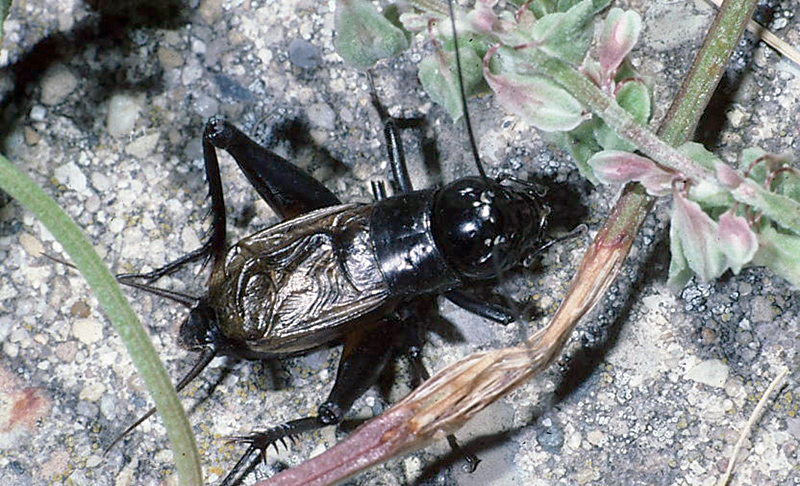 Courtesy of the Department of Entomology, University of Illinois at Urbana-Champaign | Blunderer | Crickets often "swarm" in the late summer and may enter buildings in large numbers, but pose no threat | |
| Damsel Bug | Dicyphus hesperus | 4-8 mm | 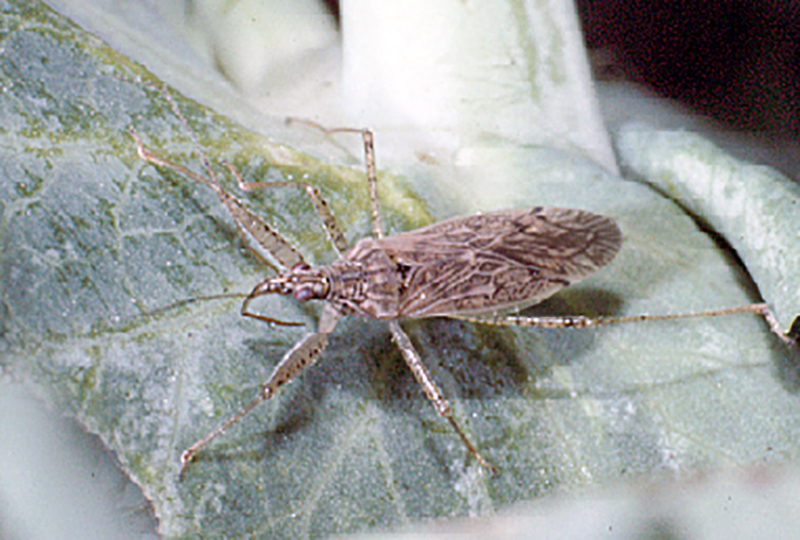 Courtesy of the Department of Entomology, University of Illinois at Urbana-Champaign | 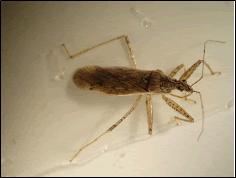 Courtesy of the University of Illinois at Urbana-Champaign Library | Blunderer | ||
| Fly, Fruit | Drosophilidae family | 3-4 mm | 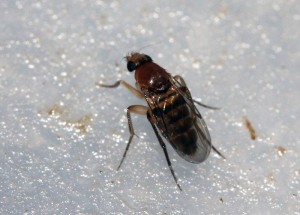 Courtesy of the Department of Entomology, University of Illinois at Urbana-Champaign | 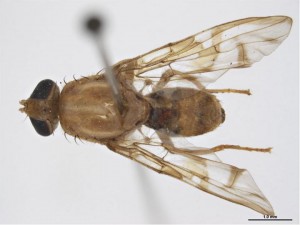 Courtesy of Sarah McCaffrey Museum Victoria | 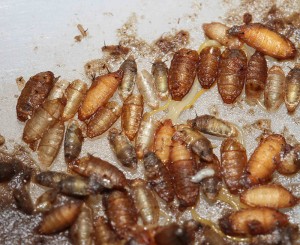 Courtesy of the Department of Entomology, University of Illinois at Urbana-Champaign | Blunderer | These are often a sign of poor housekeeping and unclean trashcans or rotting vegetable matter. |
| Fly, variable | Muscidae family | 3-8 mm | 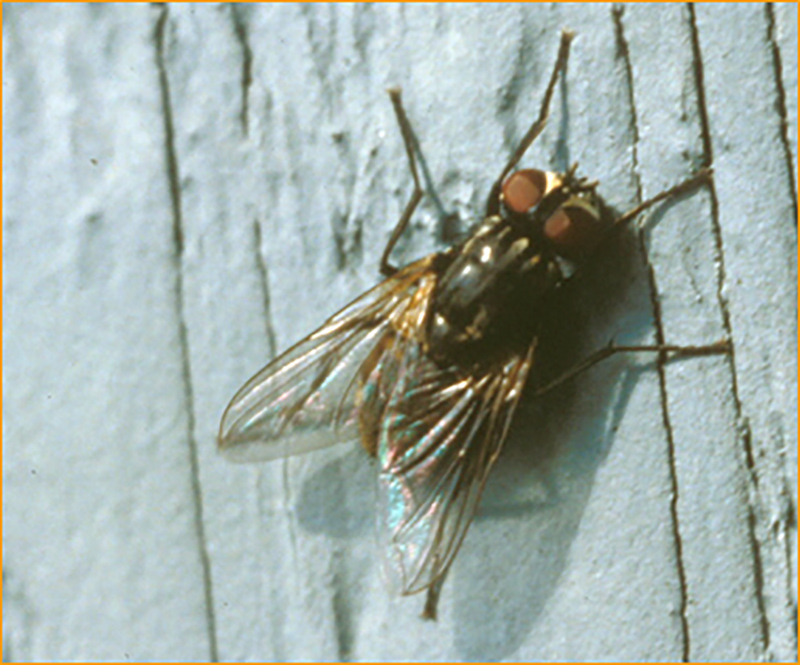 Courtesy of the Department of Entomology, University of Illinois at Urbana-Champaign | 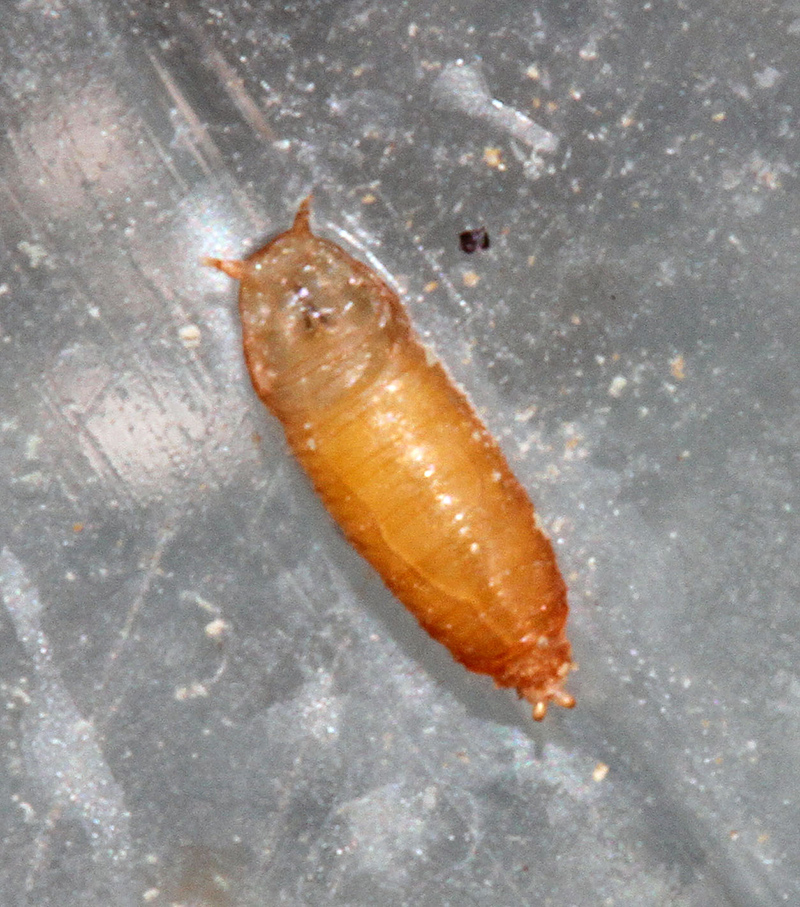 Courtesy of the Department of Entomology, University of Illinois at Urbana-Champaign | Blunderer | ||
| Gnat | Anisopodidae family | 3-6 mm | 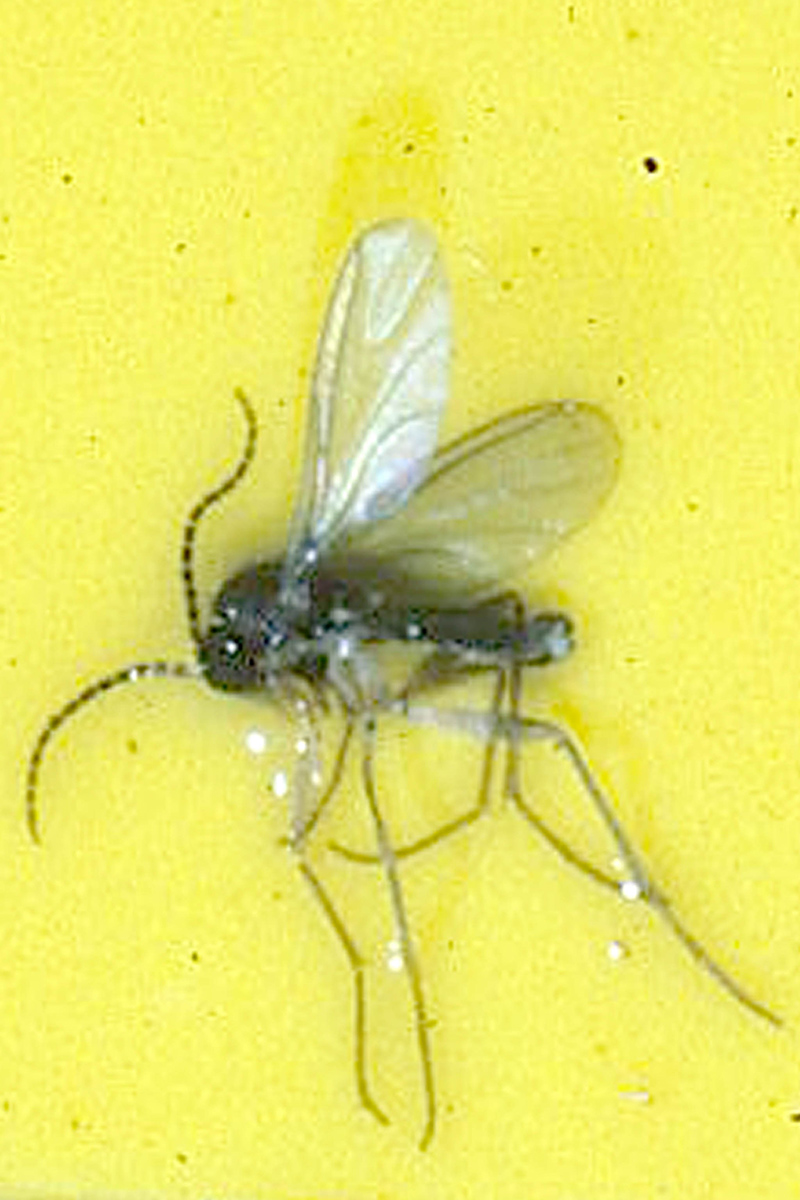 Courtesy of the Department of Entomology, University of Illinois at Urbana-Champaign | 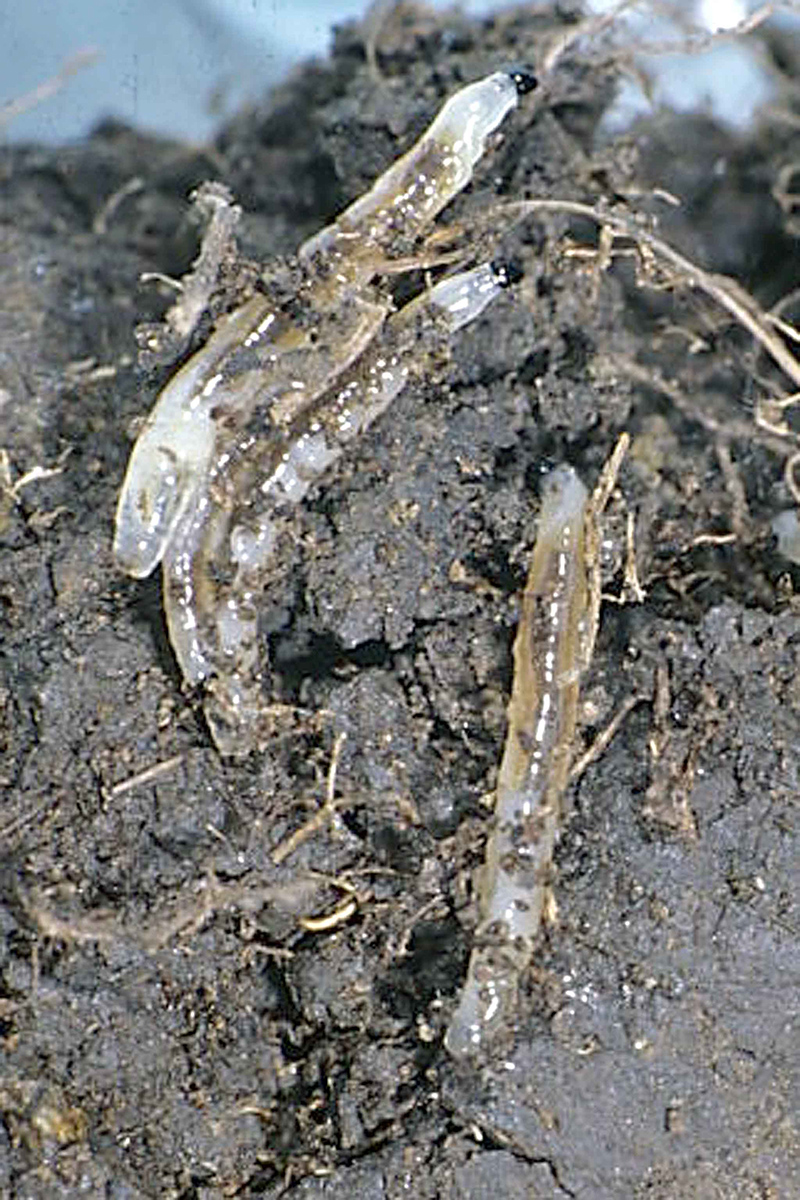 Courtesy of the Department of Entomology, University of Illinois at Urbana-Champaign | Blunderer | ||
| Leaf Hopper | Cicadellidae family | 3-6 mm | 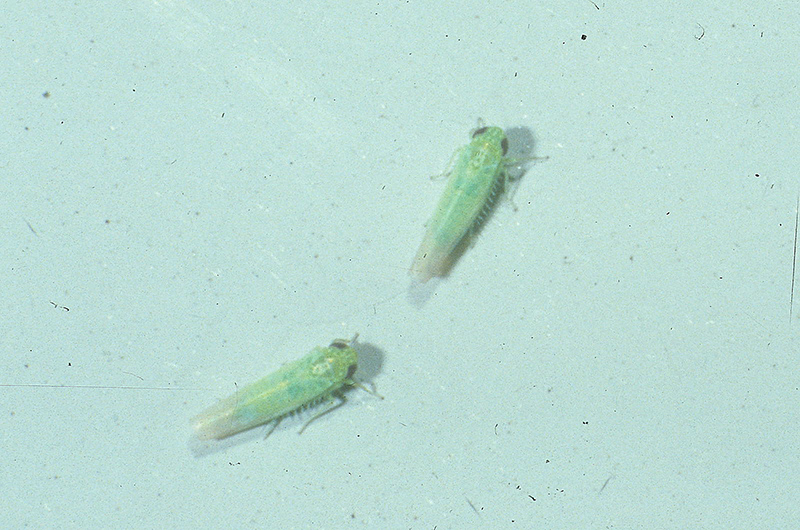 Courtesy of the Department of Entomology, University of Illinois at Urbana-Champaign | Blunderer | |||
| Millipede | Diplopoda class | 20-50 mm | 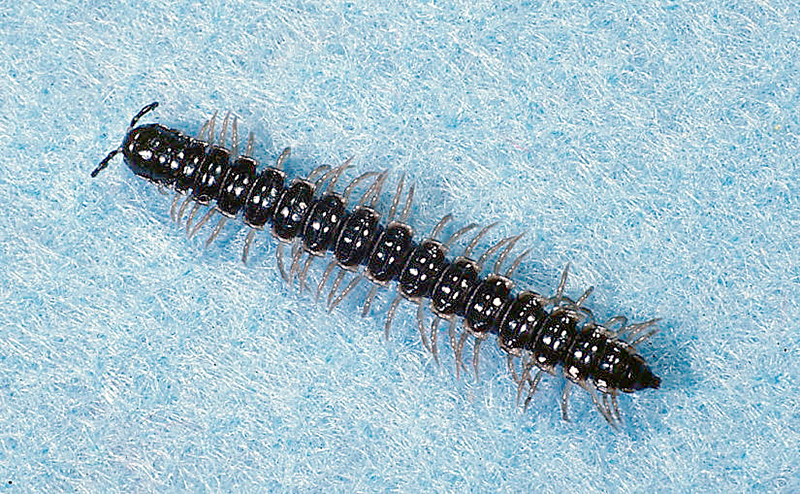 Courtesy of the Department of Entomology, University of Illinois at Urbana-Champaign | 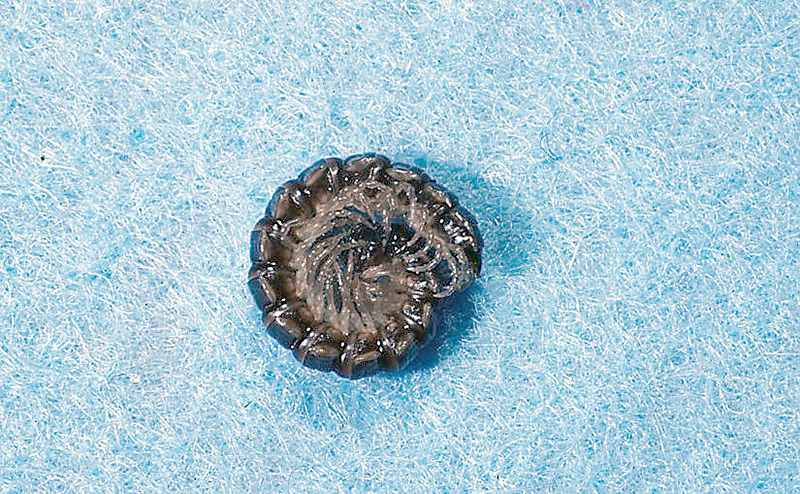 Courtesy of the Department of Entomology, University of Illinois at Urbana-Champaign | Blunderer | Millipedes are commonly found during the Spring and Fall as they enter buildings from the outside. They can live in many different habitats such as mulched flower beds where moisture, humidity, and organic matter are high. | |
| Minute Pirate Bug | Anthocoridae family | 2-4 mm |  Courtesy of the Department of Entomology, University of Illinois at Urbana-Champaign | 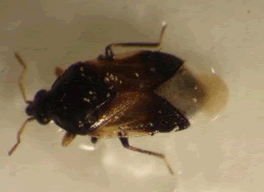 Courtesy of the University of Illinois at Urbana-Champaign Library | Blunderer | Minute Pirate Bugs are most easily recognizable by the V shape their elytra (wing covers) make above the wings. | |
| Mite, Predatory | Several | 1 mm | 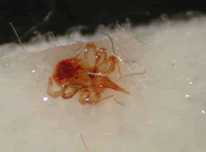 Courtesy of the University of Illinois at Urbana-Champaign Library | 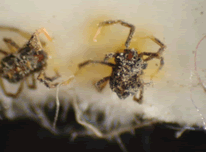 Courtesy of the University of Illinois at Urbana-Champaign Library | Indicator | Predatory mites feed on other pests. Frequently, they are orange or red in color | |
| Mite, variable | Several | 1mm | 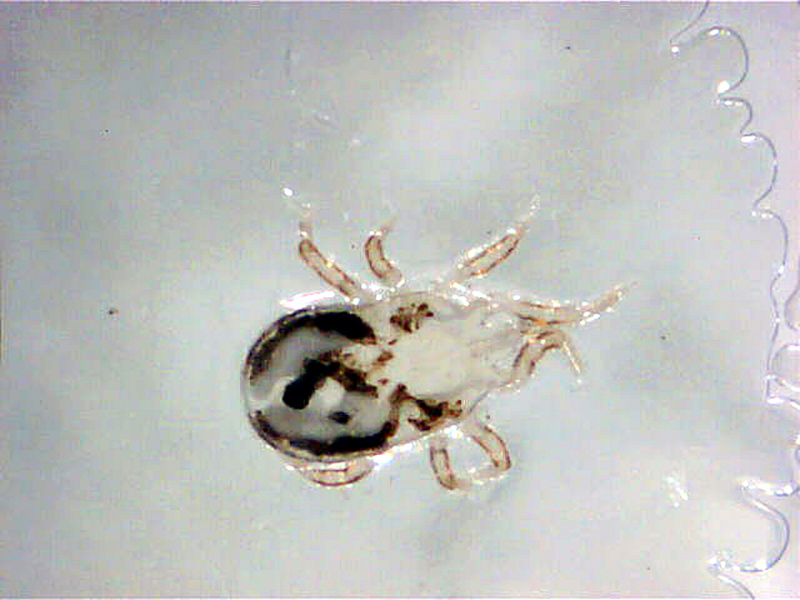 Courtesy of the Department of Entomology, University of Illinois at Urbana-Champaign |  Courtesy of the Department of Entomology, University of Illinois at Urbana-Champaign | Indicator | Mites are an indicator of high-humidity environments. Most are non-biting, but some varieties can bite humans. | |
| Mosquito | Culicidae family | 3-10 mm | 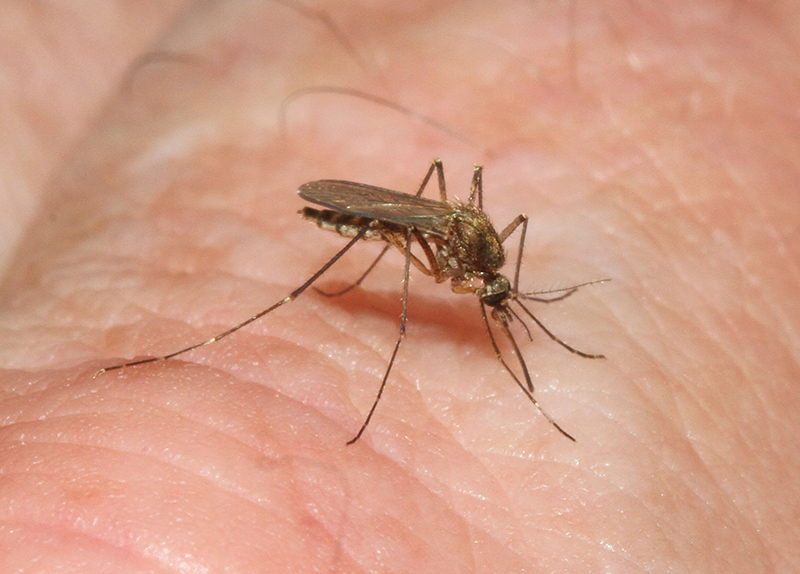 Courtesy of the Department of Entomology, University of Illinois at Urbana-Champaign | 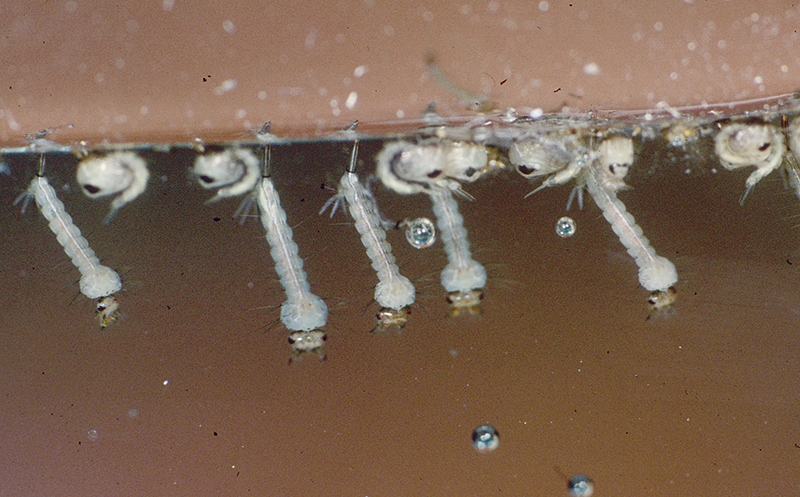 Courtesy of the Department of Entomology, University of Illinois at Urbana-Champaign | Blunderer | A nuisance that frequently follows staff and patrons into buildings in the summer months. | |
| Moth, Clothes | Tineola bisselliella | 10-20 mm | 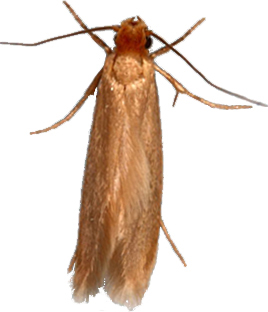 Image source: museumpests.net | 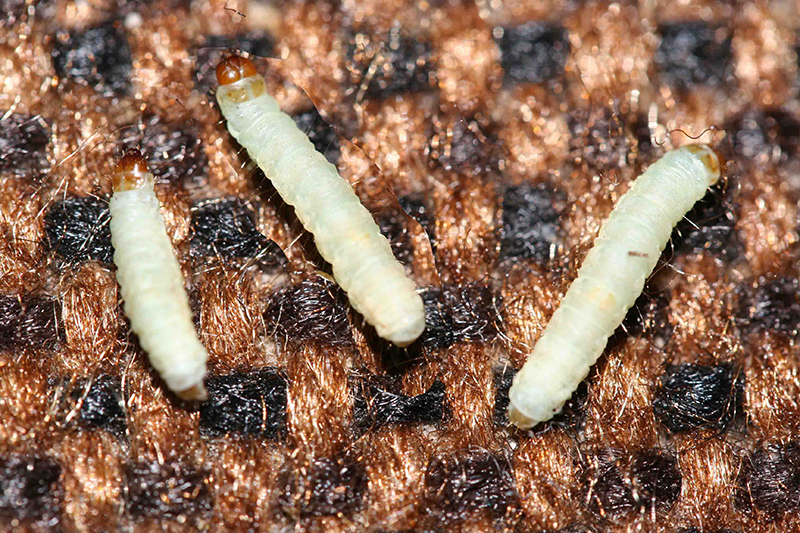 Courtesy of the Department of Entomology, University of Illinois at Urbana-Champaign | Library/Museum Pest | Larva found in dark storage areas on fur, feathers, skins, wool and soiled textiles. | |
| Moth, variable | Lepidoptera order | 5-20mm |  Courtesy of the Department of Entomology, University of Illinois at Urbana-Champaign | Blunderer | Except for clothes moths, most common outdoor moths are blunderers into libraries | ||
| Noseeum (biting midge) | Several | 1-2 mm | 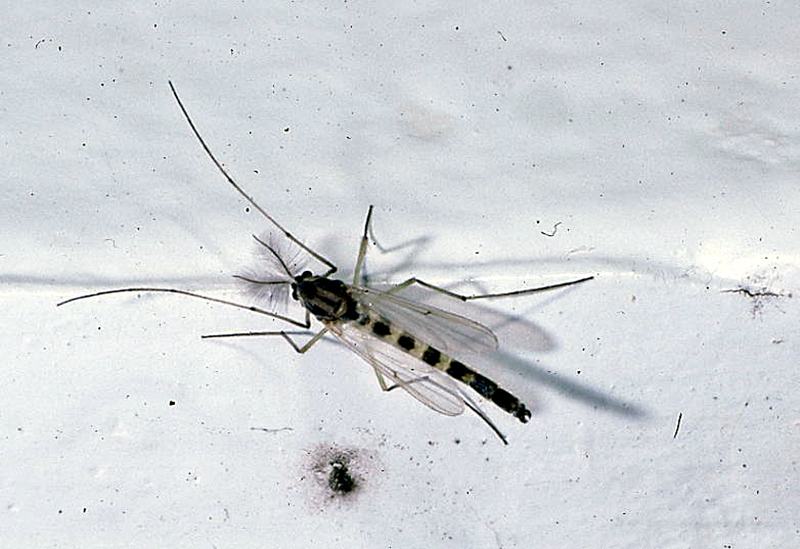 Courtesy of the Department of Entomology, University of Illinois at Urbana-Champaign | 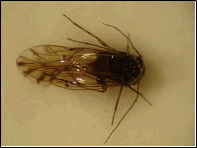 Courtesy of the University of Illinois at Urbana-Champaign Library | Blunderer | This often come into buildings on people who have traveled through the grass recently. | |
| Pill Bug / Sow Bug | Armadillidiidae family | 8-12 mm | 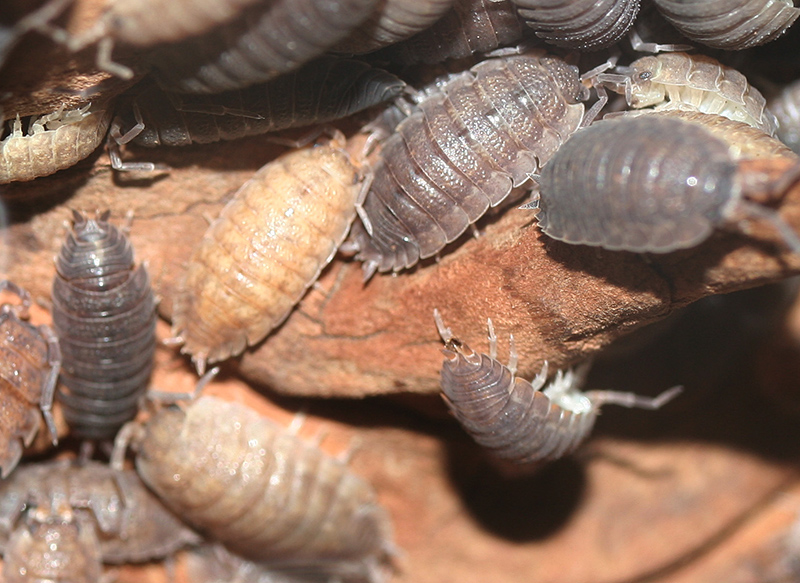 Courtesy of the Department of Entomology, University of Illinois at Urbana-Champaign | Blunderer | Pillbugs can roll up into a tight ball when disturbed. Although they sometimes enter in large numbers, they do not bite, infest food, clothing, or wood. Since they require moisture, they do not survive indoors for more than a few days unless they are in very moist conditions. | ||
| Silverfish | Lepisma saccharina | 5-15 mm |  Image source: museumpests.net | 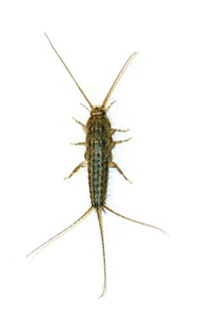 Image source: museumpests.net | Library/Museum Pest | Associated with high RH (over 75%). Feed on microscopic mold, glue, ink, and starch. Grazers | |
| Spider | Araneae order | 5-40 mm | 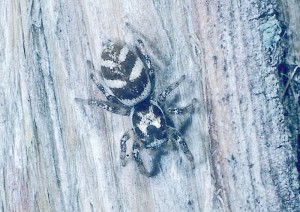 Courtesy of the Department of Entomology, University of Illinois at Urbana-Champaign | 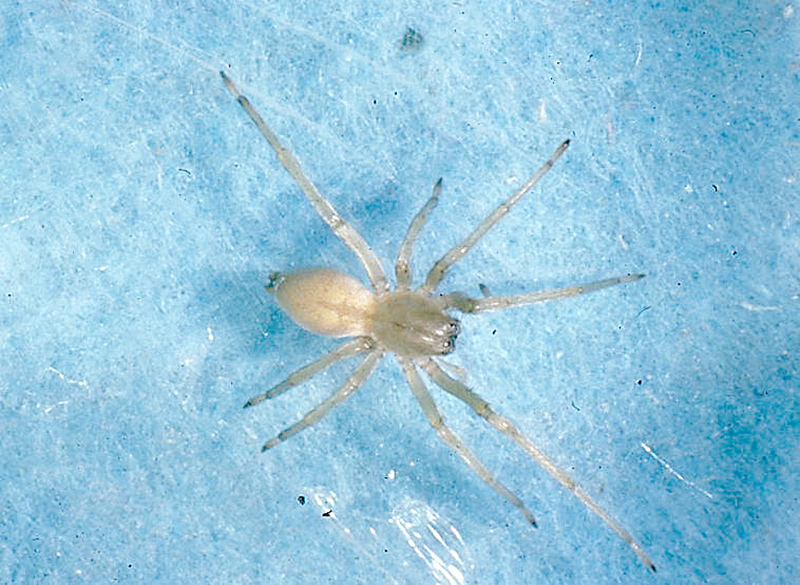 Courtesy of the Department of Entomology, University of Illinois at Urbana-Champaign | Indicator | Eats other insects. See identification guide for Brown Recluse spiders. Otherwise, usually harmless | |
| Spider, Black Widow | Latrodectus mactans | 3 -10 mm | Danger to Humans | ||||
| Spider, Brown Recluse | Loxosceles reclusa | 7-12 mm | 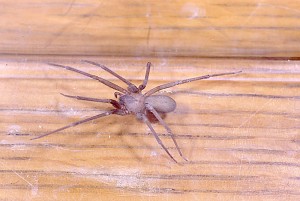 Courtesy of the Department of Entomology, University of Illinois at Urbana-Champaign | Danger to Humans | |||
| Springtail | Entomobryidae family | 1 mm | 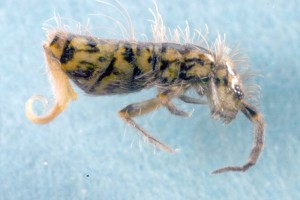 Courtesy of the Department of Entomology, University of Illinois at Urbana-Champaign | .jpg) Image source: museumpests.net | Indicator | Springtails are carrion feeders that prefer high humidity. Very small and easily missed, they are best identified by their distinctive shape. | |
| Termite | Kalotermitidae or Rhinotermitidae | 4-7 mm | 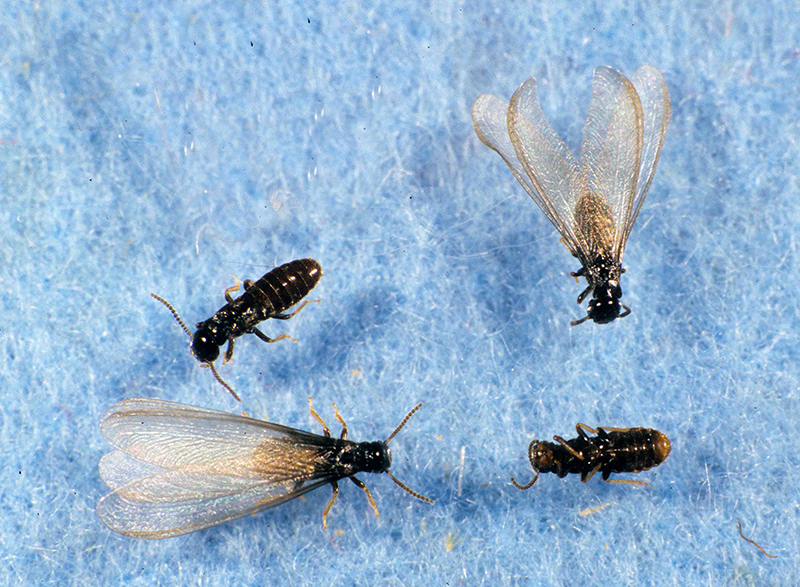 Courtesy of the Department of Entomology, University of Illinois at Urbana-Champaign | 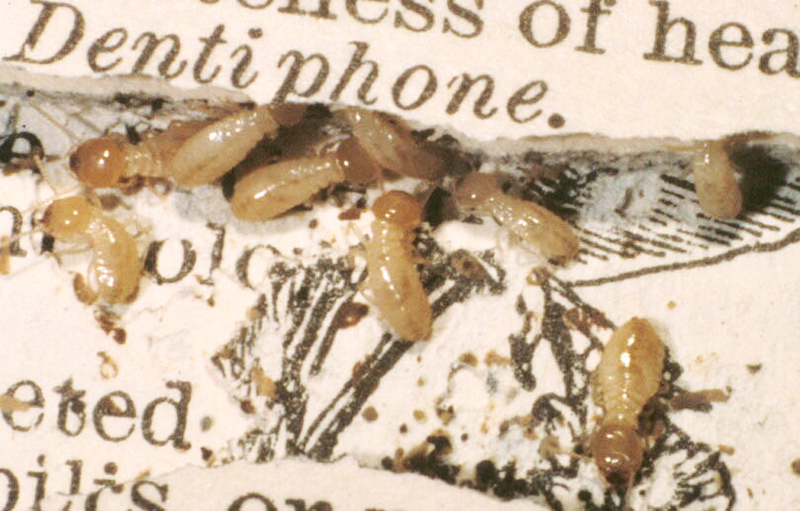 Courtesy of the Department of Entomology, University of Illinois at Urbana-Champaign | Library/Museum Pest | Winged and wingless (worker) termites have straight antennae and a long body with short lets. Winged termites have two pairs of wings of the same size and shape. Can infect timber and wooden objects as well as wooden structures. Dry wood termites can infest wooden objects. | |
| Wasp, variable | Vespidae family | 12-16 mm |  Courtesy of the Department of Entomology, University of Illinois at Urbana-Champaign | 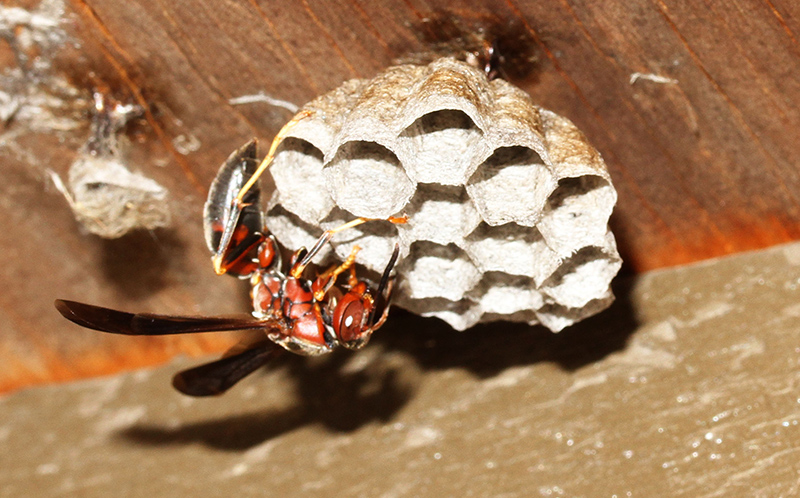 Courtesy of the Department of Entomology, University of Illinois at Urbana-Champaign | Danger to Humans | However can form hives inside buildings. If large population is observed, call about extermination and/or removal of nest. |
Additional Pest Identification Resources
- Borror, D., & White, R. (1970). A field guide to the insects of America north of Mexico. Houghton Mifflin Company.
–. (2025). BugGuide. University of Iowa.
Milne, L., Milne, M., & Rayfield, S. (1998). National Audubon Society field guide to North American insects and spiders . A.A. Knopf.
Museum Pests Working Group. (n.d.). Identification Image Library. Museum Pests.
-
Northeast Document Conservation Center. (2015). 3.10 Emergency Salvage of Moldy Books and Paper. Preservation Leaflets.