Achievement of tenure and/or promotion in rank is perhaps the most significant event in the professional life of a faculty member. It represents the culmination of years of work and excellence in teaching, research, and service; recognizes promise for future achievement; and welcomes scholars into a community of privilege and responsibility. In many cases, the Library represents a laboratory for faculty as they engage in scholarship. At minimum, the Library serves as a record of intellectual achievement and an archive of all that we have attained.
With this in mind, the University of Illinois at Urbana-Champaign Library, under the leadership of University Librarian Paula Kaufman, initiated a program in 2000 in which faculty who are newly tenured and/or promoted are able to select a book for our Library collections. These selections are book-plated in their honor, and stand as a reminder now and into the future of the remarkable accomplishments of the faculty at this university. Each selected book receives a bookplate with the faculty member’s name, rank, and year of selection.
2026 Bookplate Selections
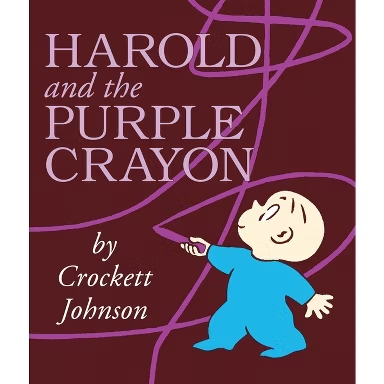
Joseph Altshuler, Associate Professor, School of Architecture
Harold and the Purple Crayon by Crockett Johnson
This book is a graphic ode to the animate agency of drawing. Harold urges us to draw new, liberated worlds directly into being, one purple line at a time.
Alison Anders, Professor, Department of Earth Science & Environmental Change
Devotions: The Selected Poems of Mary Oliver by Mary Oliver
Throughout my career, the world has offered itself to my imagination and called to me like the wild geese, harsh and exciting – just as Mary Oliver promised.
Bethany Anderson, Associate Professor, University Library
Genesis and Development of a Scientific Fact by Ludwik Fleck
As a science archivist and someone interested in the history of science, this book has been foundational to my understanding of the collective nature of science. In particular, it has illuminated for me the ways that scientific “thought collectives” shape the archival records they produce and how we should think about the provenance of records.
Serouj Aprahamian, Associate Professor, Department of Dance
Jookin’: The Rise of Social Dance Formations in African-American Culture by Katrina Hazzard-Gordon
Jookin’ documents how the repurposing of everyday settings and unregulated spaces for dancing and music has been the cornerstone of working-class African American expression. From the blues and jazz to rock ‘n roll and hip-hop, attending to this remarkably consistent institutional tradition is essential to anyone seeking to understand this cultural continuum and the embodied practices at the center of them.
Juan Arbelaez Velez, Associate Professor, Department of Crop Sciences
One River by Wade Davis
This book is a love letter to botanical exploration, ethnobotany, and the experience of living and conducting research in other countries. It inspired me to step outside my comfort zone and pursue a career in international agricultural research.
Christopher Ball, Associate Professor, Department of Journalism
Experience on Demand: What Virtual Reality Is, How It Works, and What It Can Do by Jeremy Bailenson
Throughout my career, this book has been an indispensable resource and recommended reading for all my students. It captures what I value most about scholarship on virtual reality: an exciting sense of its possibilities tempered by thoughtful realism, all grounded in a wealth of research and experience.
Aimee Barbeau, Teaching Associate Professor, Department of Business Administration
Democracy in America by Alexis de Tocqueville
Tocqueville’s Democracy in America helped me fall in love with political philosophy. In graduate school, this text sparked a deep desire in me to understand society and to think broadly about the conditions that lead to human flourishing. I will forever be indebted to Tocqueville and to the teachers at Georgetown who mentored me in reading deeply and thinking widely.
Paul Bruno, Associate Professor, Department of Education Policy, Organization & Leadership
Catch-22 by Joseph Heller
Catch-22 informed my thinking about policy and administration and their effects on people more than any other single work, scholarly or otherwise. It illustrates how policies that make perfect sense might also make no sense at all. And it still makes me laugh out loud.
Lili Cai, Associate Professor, Department of Mechanical Science & Engineering
The Idea Factory: Bell Labs and the Great Age of American Innovation by Jon Gertner
A fascinating story of how curiosity, collaboration, and fundamental research can lead to transformative technologies and real world impact.

TC Chen, Clinical Associate Professor, Carle Illinois College of Medicine
Yu-Gi-Oh! Vol. 1: The Millennium Puzzle by Kazuki Takahashi
This book series inspired my younger self to discover strength in kindness and courage in the face of every challenge, no matter how big or small.
Girish Chowdhary, Professor, Department of Agricultural & Biological Engineering and Siebel School of Computer Science
Introduction to Autonomous Mobile Robots by Roland Siegwart, Illah R. Nourbakhsh, and Davide Scaramuzza
This book is in English, I am choosing it because it was the book I used in creating and teaching the mobile robotics class I taught at Illinois.
Catherine Christian-Hinman, Professor, Department of Molecular & Integrative Physiology
Paul Simon’s Concert in the Park by Paul Simon
Paul Simon’s music has been a source of comfort and peace to me since I was a teenager. I found this concert recording while I was in college, and these songs and others in his catalog have helped me through long days in the laboratory and in life.
Alexandra Chronopoulou, Clinical Professor, Department of Statistics
The Malliavin Calculus and Related Topics by David Nualart
Nualart’s The Malliavin Calculus and Related Topics was instrumental in my research career. As a PhD student I learned from it how analysis on Wiener space, through Wiener chaos expansions of Gaussian processes and the Malliavin calculus built on them, opens a unified route into stochastic differential equations driven by fractional Brownian motion, and in particular into statistical inference for those SDEs. That framework shaped the applications and laid the rigorous mathematical foundations that defined my later work.
Maria Chu, Professor, Department of Agricultural & Biological Engineering
Hydrology – An Introduction by Wilfried Brutsaert
HYDROLOGY – the science of water’s terrestrial journey, transformed my life when necessity led me to pursue it as a career. This book explores water’s path from precipitation to atmospheric return, highlighting its challenges and opportunities. Its continuous cycle mirrors my own search for purpose, direction, and a meaningful niche.
Caitlin Clarke, Teaching Associate Professor, Department of Health and Kinesiology
Reading Sport : Critical Essays on Power and Representation by Susan Birrell and Mary G. McDonald
Dr. Nancy Abelmann and Dr. Stan Thangaraj gave this to me as a third year undergraduate Anthropology major and suggested that perhaps I should pursue the sociocultural study of sport, play and health. I am grateful for their guidance and subsequent introduction to my PhD advisor, Dr. Synthia Sydnor.
Benjamin Clegg, Teaching Associate Professor, School of Integrative Biology
Scientific Teaching by Jo Handelsman, Sarah Miller, and Christine Pfund
This book has been transformative to my career and in how I approached teaching. Many of us enter teaching at college without formal training – we pick up approaches by example and through trial and error. This book reveals a deeply eye-opening path to transforming your teaching that will live on as echos in the student lives it will touch in its wake.
Joe Cohen, Professor, Department of Psychology
We Begin at the End by Chris Whitaker
This book reminds me of the girls in my life like Duchess (Amy, Lynnie, Rosie, Tina) whose actions demand your love and the boys in my life like Vincent (Eddie, Harrison, Jameson, Tommy) who live for the people they love. My favorite thing in life is reading, watching, hearing, telling and making new stories. I share this promotion with all of you and hope this book selection makes someone else think about their own loved ones and tell their stories.
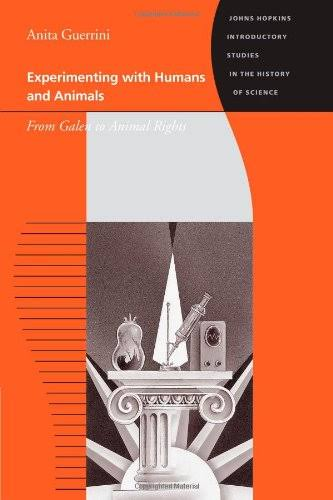
Lucinda Cole, Professor, Department of English
Experimenting With Humans and Animals: From Galen to Animal Rights by Anita Guerrini
This book showed me how to think about relationships between the human and the more-than-human in rigorous, historical ways.
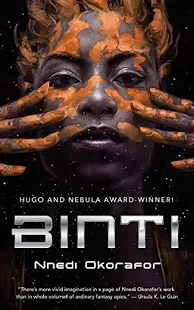
Jenny L. Davis, Professor, Department of Anthropology
Binti by Nnedi Okorafor
This book contains jelly fish-like aliens, an intergalactic college on a distant planet, and space travel; yet its depiction of the irreversible transformations and experiences of an Indigenous woman leaving her home, family, and community to join a university rings true.
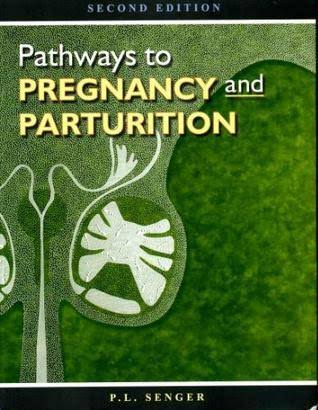
Matthew Dean, Associate Professor, Department of Animal Sciences
Pathways to Pregnancy and Parturition by P. L. Senger
This was the textbook for the reproductive biology course that I took as an undergraduate. This was the course where I discovered my passion for reproductive biology and discovered that I might be able to pursue research as a career.
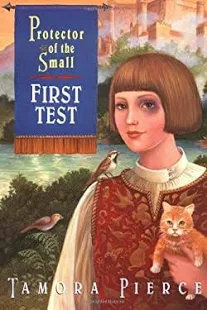
Julie Deeke, Teaching Associate Professor, Department of Statistics
First Test by Tamora Pierce
A childhood gift from a beloved aunt, this book reminds me of the value of persevering through adversity, defending the overlooked, and finding a community.
José Díaz-Soto, Teaching Associate Professor, Department of Theatre
Areyto Mayor by Francisco Arriví
Areyto Mayor by Francisco Arriví is one of the most important books about Puerto Rican Theatre History. Spending most of my career as a designer in Puerto Rico has led me to where I am today as an artist and educator. It means a lot to have a piece of Puerto Rican theatre History among all of our books.
M. (EJ) Eagen-Jones, Teaching Associate Professor, School of Music
Canons and Canonic Techniques by Bonnie J. Blackburn and Katelijne Schiltz (Editors)
My engagement with musicology began with a fascination with the canonical motet and with the scholarship of Bonnie J. Blackburn (1939–2026). At my first international conference, Blackburn sat in the front row and asked the first question. I still remember the excitement—and terror—of answering her. Her research shaped me in ways I never expressed to her directly. I hope my own work can, in some small way, honor her legacy.
Catharine Fairbairn, Professor, Department of Psychology
Man’s Search for Meaning by Viktor Frankl
The best science is driven not only by rigor but also compassion. I can’t think of a better model for that mission than Frankl and the remarkable life described in this book. “Don’t aim at success. The more you aim at it and make it a target, the more you are going to miss it. For success, like happiness, cannot be pursued, but instead must ensue as the unintended side effect of personal dedication to a cause greater than oneself.”
Jie Feng, Associate Professor, Department of Mechanical Science & Engineering
Capillarity and Wetting Phenomena: Drops, Bubbles, Pearls, Waves by Pierre-Gilles de Gennes, Françoise Brochard-Wyart, and David Quéré
This book has profoundly influenced the way I think about interfacial fluid mechanics. Its elegant combination of physical intuition and fundamental principles in capillarity, wetting, drops, and bubbles closely reflects the scientific questions that have inspired my own research.
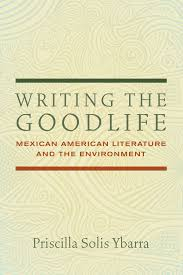
Mariela Fernandez, Associate Professor, Department of Recreation, Sport, & Tourism
Writing the Goodlife: Mexican American Literature and the Environment by Priscilla Solis Ybarra
I selected Writing the Goodlife because it challenges assumptions that Mexican American communities lack environmental concern. The book considers the long tradition of Mexican American environmental thought centered on community, humility, and respectful relationships with nature. It also reflects my commitment to environmental justice and to recognizing Latino communities not only as populations affected by environmental inequities, but also as important producers of environmental knowledge, literature, and ideas that have too often been overlooked.
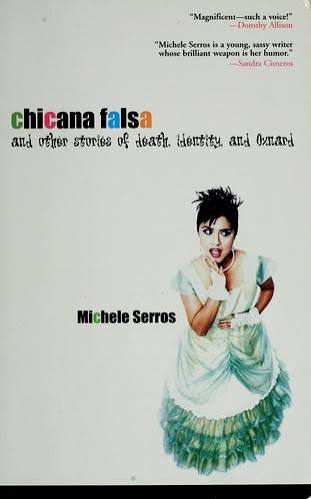
Ángel García, Associate Professor, Department of English
Chicana Falsa by Michelle Serros
Chicana Falsa: And Other Stories of Death, Identity, and Oxnard by Michelle Serros was the first book I read by a Chicana author and the first book I was gifted by a writer. It resonated with me because I understood the poems, the characters, the stories were real experiences by someone who had a similar ethnic background and what encouraged me, in ways that I could not tell at the time, to be a writer in the future.
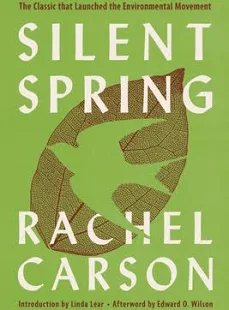
Christopher Gaulke, Associate Professor, Department of Pathobiology
Silent Spring by Rachel Carson
Silent Spring is engaging read and one of the most impactful scientific books of our time. It led to birth of the modern environmental movement and spurred the establishment of the U.S. Environmental Protection Agency. It is also one of the inspirations for the work we do in my lab.
Sara Gerke, Professor, College of Law
Deutsche Gesetze by Habersack
I selected the Habersack, formerly known as the Schönfelder, because it was the first collection of statutes that introduced me to the breadth and structure of law. As a law student in Germany, I carried this weighty volume with me everywhere. It became a constant companion and helped shape the beginning of my legal journey, a journey that ultimately brought me here.
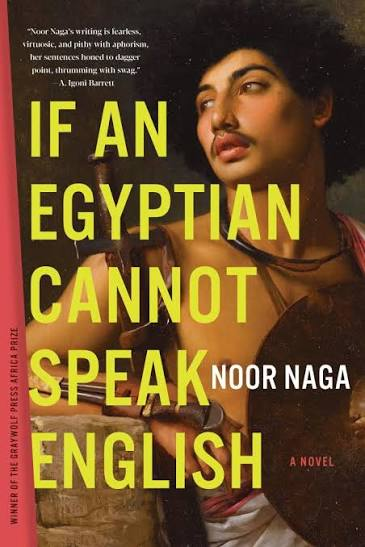
Laura Goffman, Associate Professor, Department of History
If an Egyptian Cannot Speak English by Noor Naga
This book is wonderful to teach. It upends expectations of home, class, and authenticity by exploring power and desire in the devastating aftermath of a failed revolution.
Caterina Gratton, Professor, Department of Psychology
Phantoms in the Brain: Probing the Mysteries of the Human Mind by V.S. Ramachandran and Sandra Blakeslee
I first read this book as a high school student, a time when I was unsure if I wanted to study physics, history, or psychology (a small range!). I was immediately captured by how weird our brains are, even for even simple tasks like ‘seeing’ — and how elegant experiments can tease apart their functions. This book set me down my current path, studying the organization and function of brain networks.
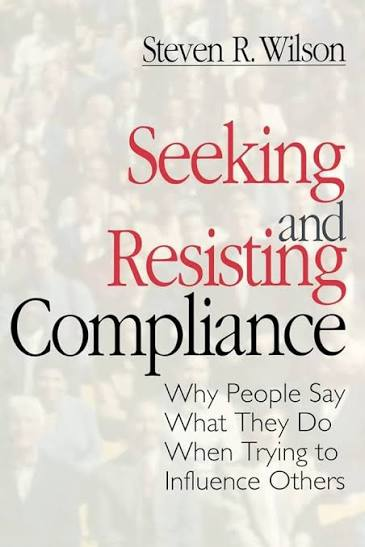
Lisa Guntzviller, Professor, Department of Communication
Seeking and Resisting Compliance: Why People Say What They Do When Trying To Influence Others by Steven R. Wilson
My advisor Steve Wilson wrote this book on interaction goals theorizing, which became the theoretical foundation for my research. When I read it in grad school, it showed me that scholarship can simultaneously advance communication theory and have meaningful impact on real world struggles, a combination that I try to emulate in my own research.
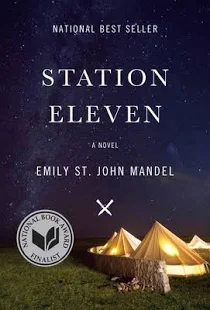
Jess Hagman, Associate Professor, University Library
Station Eleven by Emily St. John Mandel
The survivors of an apocalyptic pandemic in Station Eleven provide a strangely hopeful and encouraging reminder that art and creativity persist in even in the times when they seem least needed or likely.
Alexandra Harmon-Threatt, Professor, Department of Entomology
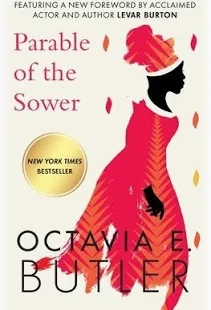
Parable of the Sower by Octavia Butler
Few books touch so many parts of you as this one does for me. My love of scifi, concerns about the climate and wealth inequality, comfort in community, teaching of indigenous practices, and belief in diversity are all here. Set in 2025 it also captures the exact year my dossier went for review.
For Matt, Wyatt, and Ethan who embrace my multitudes, I love you.
Karin Hodgin Jones, Teaching Associate Professor, School of Art & Design
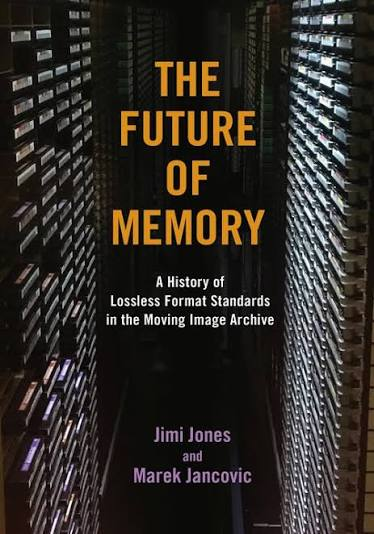
The Future of Memory: A History of Lossless Format Standards in the Moving Image Archive by Jimi Jones and Marek Jancovic
As an interdisciplinary scholar and sustainability educator, I am inspired by this book’s ability to make complex socio-technical systems visible and accessible. It demonstrates how critical understanding can become meaningful action, opening possibilities for intervention, accountability, and change.
Bin Hu, Associate Professor, Department of Electrical & Computer Engineering
Measure and Integral: An Introduction to Real Analysis by Richard Wheeden and Antoni Zygmund
I studied this book as a graduate student in a real analysis course and spent many hours working through it carefully. It ended up being the book I spent the most time on during my PhD studies. That is somewhat surprising, since I was an engineering student, but it helped me develop a mathematical way of thinking when working on engineering problems later.
Salah Issa, Associate Professor, Department of Agricultural & Biological Engineering
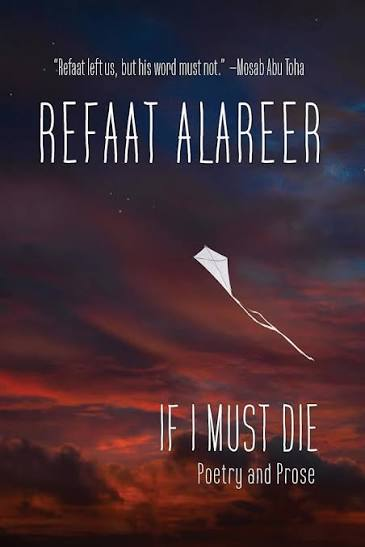
If I Must Die by Refaat Alareer
I selected If I Must Die because Refaat Alareer exemplified the transformative power of education. His scholarship, his mentorship of students in Gaza, and the emotional depth of his poetry reflect a commitment to humanity and learning that I deeply admire. His legacy makes this book profoundly meaningful to me.
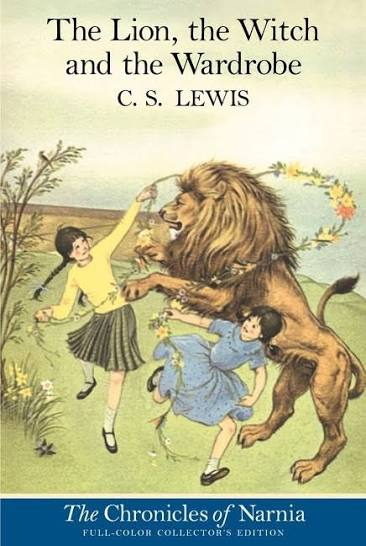
Keilin Jahnke, Teaching Associate Professor, Landuyt Center for Entrepreneurship
The Chronicles of Narnia: The Lion, the Witch and the Wardrobe by C.S. Lewis
The symbolism of the wardrobe leading to Narnia reflects the joy of being an academic: imagining what could be and guiding others to new worlds of wonder, creativity, and impact. This story and its author inspire me to approach my work both as an educator and as a mother with greater intentionality and purpose.
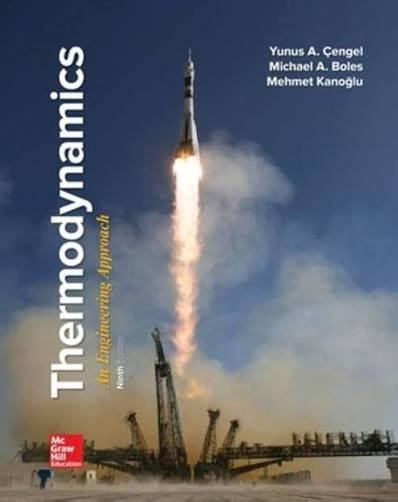
Mohammed Kamruzzaman, Associate Professor, Department of Agricultural & Biological Engineering
Thermodynamics: An Engineering Approach by Yunus A. Cengel, Michael A. Boles, and Mehmet Kanoglu
After more than 100 years, our department decided to offer its own thermodynamics course. I developed the course and taught it for the first time in Fall 2022. Since then, Thermodynamics: An Engineering Approach has been one of the most influential books in my career as an engineer, educator, and researcher. The book provides a rigorous yet accessible foundation for understanding energy systems and scientific reasoning while inspiring generations of students to solve real-world engineering challenges.
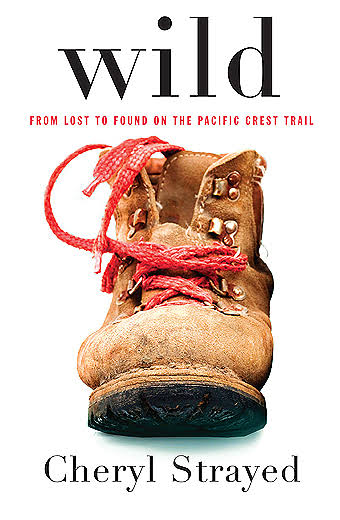
Hyojung Kang, Associate Professor, Department of Health & Kinesiology
Wild: From Lost to Found on the Pacific Crest Trail by Cheryl Strayed
At times, I have felt lost, unsure of my direction, or worried about falling behind others. This book gave me courage to move through those periods of doubt. It reminded me of the strength within me to overcome challenges and find renewed purpose in my career and life.
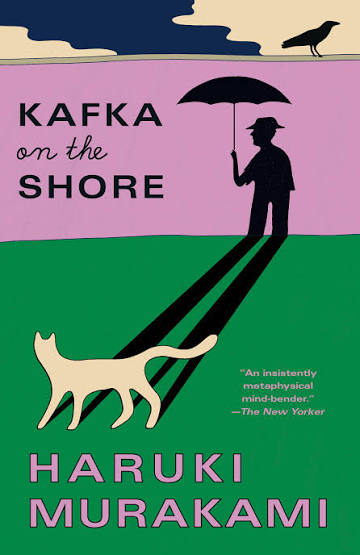
Jina Kang, Associate Professor, Department of Curriculum & Instruction
Kafka on the Shore by Haruki Murakami
Kafka on the Shore sparks my imagination with its extraordinary creativity and immersive journeys across inner and outer worlds. I love how a book can create a world we inhabit, question, and carry with us long after reading—one reason I dream of building a personal library someday.
Mahyar Kargar, Associate Professor, Department of Finance
The Economics of Over-the-Counter Markets: A Toolkit for the Analysis of Decentralized Exchange by Julien Hugonnier, Benjamin Lester, and Pierre-Olivier Weill
I chose this book because it represents one of the two research areas that have defined my academic career and honors the mentorship that shaped my development as a scholar. Pierre-Olivier Weill was an extraordinary mentor, and collaborating with Pierre and Ben Lester has been one of the greatest privileges of my career.
Christopher Kempf, Associate Professor, Department of English
The American Scene by Henry James
James is one of the great prose stylists in the English language, and he turns that style—along with his critical eye—on all the beauty and ambivalences and hypocrisies of what he calls “the American scene.” I have learned so much from him.
Ashish Khandelwal, Teaching Associate Professor, Department of Business Administration
What Life Could Mean to You by Alfred Adler
This book taught me that our reasons are rarely the ones we give, and our memories are rarely the record we think they are. We understand other people poorly and ourselves not much better. I have found that fascinating ever since.
Olga Khessina, Professor, Department of Business Administration
Roadside Picnic by Arkady Strugatskii and Boris Strugatskii
I selected Roadside Picnic not only because it is a truly gripping classic science fiction story but also because in my formative years it made me think about deep philosophical questions about the meaning of life and happiness, the place of an individual in society, and difficult choices between personal desires and the future of humankind. The social issues and personal dilemmas raised in this book are as important today as ever.
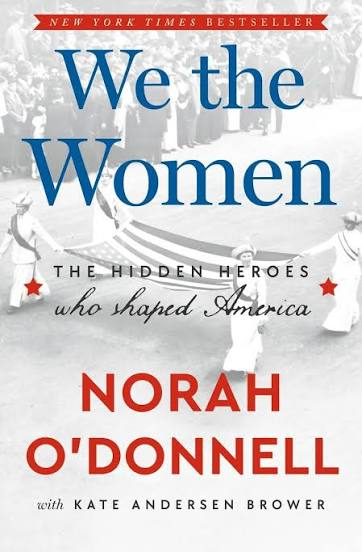
Colleen King, Clinical Associate Professor, Department of Journalism
We the Women: The Hidden Heroes Who Shaped America by Norah O’Donnell and Kate Andersen Brower
I am honored to celebrate the work of two former journalism colleagues, Norah O’Donnell and Kate Brower Andersen, for sharing untold stories of women who helped shape the United States from 1776 through its 250th birthday. Their work is a captivating account of dozens of women they bring to life through in-depth research and reporting.
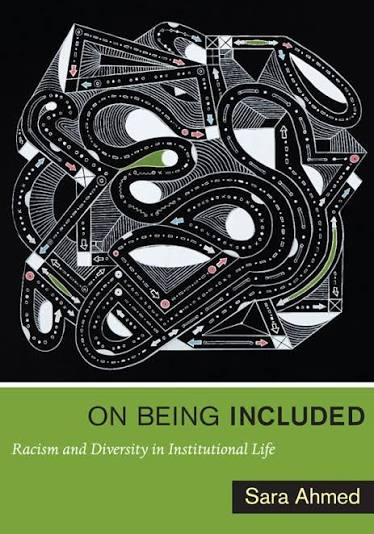
Yannick Kluch, Associate Professor, Department of Recreation, Sport & Tourism
On Being Included: Racism and Diversity in Institutional Life by Sara Ahmed
This book became foundational to my work on diversity, equity, and inclusion in higher education and, specifically, intercollegiate athletics. The book sharpened my understanding of how institutions respond to diversity initiatives, the barriers to meaningful change, and the importance of examining organizational structures, practices, and cultures.
Hans Friedrich Koehn, Professor, Department of Psychology
Der Zauberberg by Thomas Mann
Der Zauberberg has accompanied me throughout my life; I’ve read it at least three times. I love its intellectual challenge and human comedy: Naphta and Settembrini’s debates, naïve Castorp and Ziemssen, Behrens’s kitchen Latin, Frau Stöhr’s blunders, Peeperkorn’s vitality, and Clawdia Chauchat’s irresistible allure. Each reading makes it richer still.
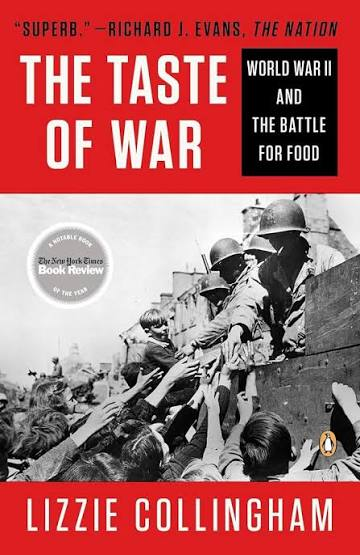
Megan Konar, Professor, Department of Civil & Environmental Engineering
The Taste of War: World War II and the Battle for Food by Lizzie Collingham
This book has partly inspired one of my research themes on food supply chain resilience and defense.
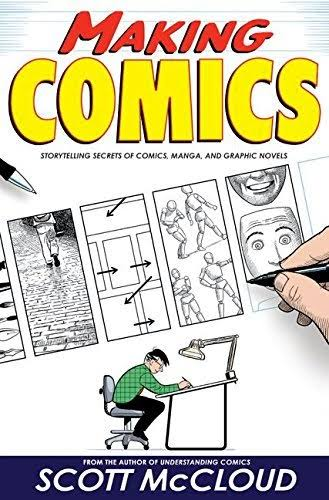
Angela Kou, Associate Professor, Department of Physics
Making Comics by Scott McCloud
Communicating science is a large part of being a researcher. This book beautifully breaks down the principles of visual storytelling and has helped me craft a good narrative on more than one occasion.
Eric Kuo, Associate Professor, Department of Physics
Moral Ambition by Rutger Bregman
This book helped me better understand the aspirations I have for my own career and my own life.
Felix Leditzky, Associate Professor, Department of Mathematics
The Illustrated A Brief History of Time: Updated and Expanded Edition by Stephen Hawking
When my parents recognized my interest in Mathematics and Physics in middle school, my father bought me a couple of popular science books, including Stephen Hawking’s “A Brief History of Time”. This book captivated me from page 1 and set me on a path toward a scientific career that ultimately led me to join the faculty at the University of Illinois. It has had a huge impact on my life.
Lewis Lehe, Associate Professor, Department of Civil & Environmental Engineering
Non Linear Dynamics and Chaos by Steven H. Strogatz
This book inspires me, because it gives such a clear introduction to complicated, important ideas. The text is conversational. There are hundreds of elegant plots. The examples are interesting. I aspire to make my lectures, teaching materials and papers this compelling. Also, the best papers I’ve written use concepts from this book.
Jorge Lemus, Professor, Department of Economics
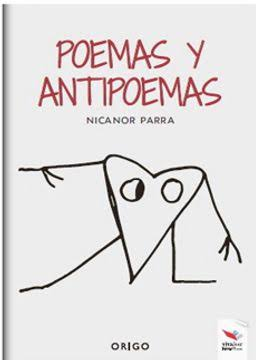
Poemas y Antipoemas by Nicanor Parra
Nicanor Parra was a trained physicist and mathematician who taught theoretical physics at the University of Chile for decades. He was creative, and wanted to make verse accessible to everyday people. I also went to University of Chile and studied in the same classrooms where he used to teach. In my teaching, I want to make economics accessible to everyone, which is why I value his “antipoetry.”
Toni Liechty, Professor, Department of Recreation, Sport & Tourism
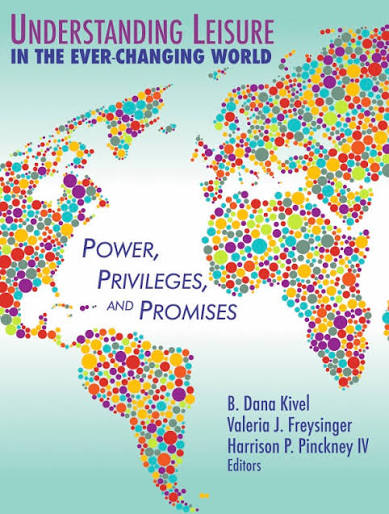
Understanding Leisure in the Ever-Changing World by Dana Kivel, Val Freysinger, and Harrison Pinckney
As stated in the description, this book “seeks, in the words of John Lewis, to inspire students to enact meaningful “good trouble, necessary trouble.” It explores the concept of leisure and key issues at this social, political, and historical moment in time. It asks us to intentionally examine something so essential to our daily lives that it is often overlooked or taken for granted until something goes wrong.
Alexander Lipka, Professor, Department of Crop Sciences
Genetics and Analysis of Quantitative Traits by Bruce Walsh, Peter M. Visscher, and Michael Lynch
The Lynch and Walsh textbook has been a constant source of inspiration throughout my journey through quantitative genetics. I hope this new edition will keep my lab’s research, teaching, and outreach grounded in the fundamentals as we explore the possibilities afforded by emerging new methods.
Jena Marble, Clinical Associate Professor, School of Art & Design
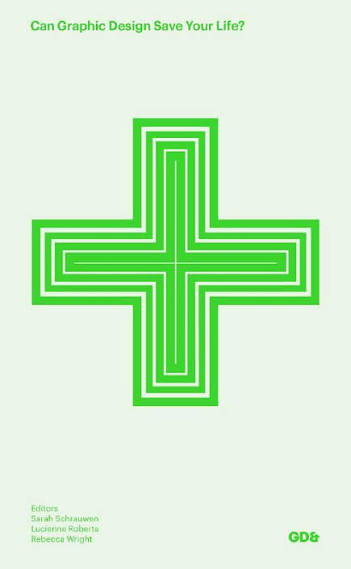
Can Graphic Design Save Your Life? by Sarah Schrauwen, Lucienne Roberts, and Rebecca Wright
This book posed a question I hadn’t fully considered. Having studied visual communication, worked professionally for years, and now taught many talented students, I understand more than ever that graphic design is everywhere, in ways big and small. It is necessary and consequential, and at times, it can be life-saving.
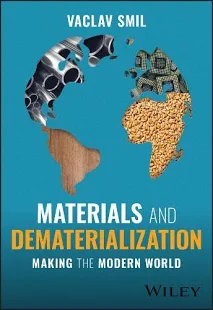
Andrew Margenot, Professor, Department of Crop Sciences
Materials and Dematerialization: Making the Modern World by Vaclav Smil
Notions of sustainability often run up against hard realities: the numbers don’t always add up. Here, Vaclav Smil overviews examples of these in the modern world, from energy to food production. A sober look at the numbers behind reality vs ideals that any natural resource scientist should consider.
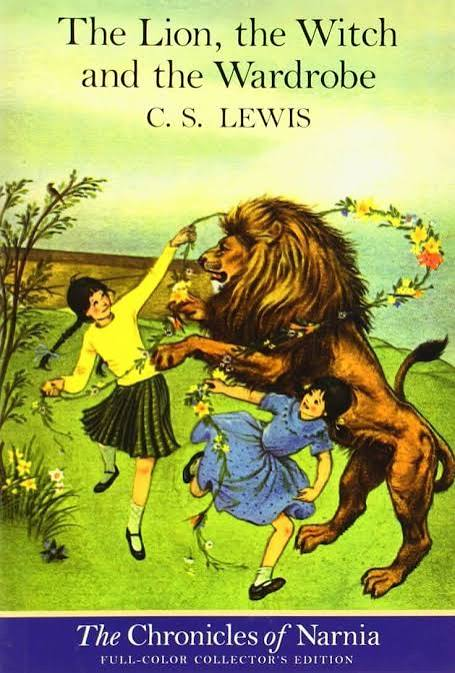
Giselle Martinez Negrette, Associate Professor, Department of Curriculum & Instruction
The Chronicles of Narnia: The Lion, the Witch and the Wardrobe by C. S. Lewis
This book opened my eyes to see the world as children see it. It inspired me to tell children’s stories in their own voices, letting my mind and heart wander freely into their universes. In my journey as a scholar, it reminds me that there is always a presence that breaks the toughest darkness, and an infinite hope that prevails.
Benjamin Miller, Associate Professor, Department of Political Science
On Virtue Ethics by Rosalind Hursthouse
On Virtue Ethics changed the course of my life. It inspired me to study with Rosalind in New Zealand, where her extraordinary generosity, exacting mentorship, and philosophical brilliance forged the ideals I still strive for in my career and life. I remain profoundly grateful to her and miss her friendship.
Michael Minn, Teaching Associate Professor, Department of Geography & Geographic Information Science
Geographies of High-Speed Rail edited by Andrew R. Goetz, Chia-Lin Chen, and Frédéric Dobruszkes
U of I has strong railroad research in multiple departments. I authored a chapter in this collection and it could be a valuable resource for students and faculty.
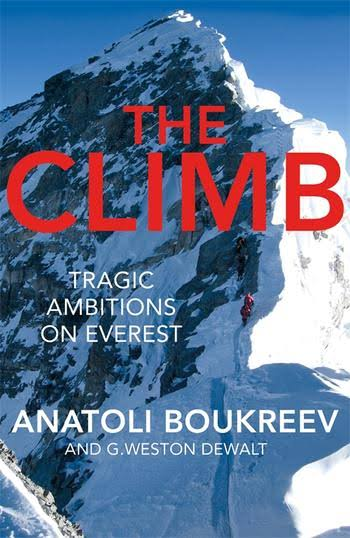
Olga Mironenko, Teaching Associate Professor, Department of Electrical & Computer Engineering
The Climb: Tragic Ambitions on Everest by Anatoli Boukreev and G. Weston DeWalt
I chose The Climb because its message of perseverance had a lasting impact on me. The book taught me that setbacks and failures are not the end of the journey, but opportunities to get back on your feet and keep moving forward.
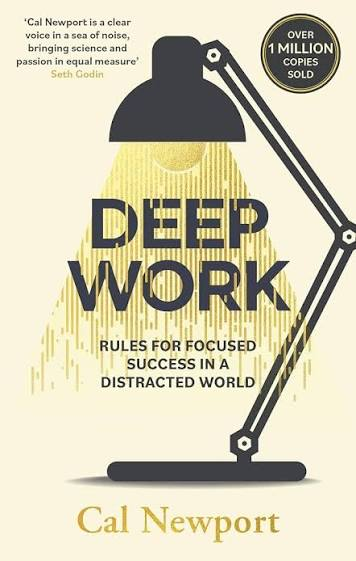
Radhika Mittal, Associate Professor, Department of Electrical & Computer Engineering
Deep Work: Rules for Focused Success in a Distracted World by Cal Newport
This book taught me how to manage my time more efficiently, how to get quality work done, and how to minimize the “shallow” work that often keeps us busy without really helping us make progress.
Ellen Moodie, Professor, Department of Anthropology
The Country Between Us by Carolyn Forche
This book is one of the most powerful volumes of poetry I’ve ever read. It inspired me as a nascent solidarity activist, protesting U.S. intervention in Central America. I have been engaged in activism and research as an anthropologist in El Salvador for more than three decades.
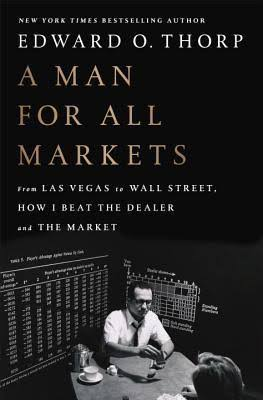
Dmitriy Muravyev, Professor, Department of Finance
A Man for All Markets: From Las Vegas to Wall Street, How I Beat the Dealer and the Market by Edward Thorp
Few have heard of Edward Thorp, the Einstein of practical finance. He went from cracking blackjack and roulette to the largest casino—the stock market—where he pioneered option pricing and statistical arbitrage. I reread his autobiography because it brings me inside a first-rate mind at work and shows how an academic can change the world.
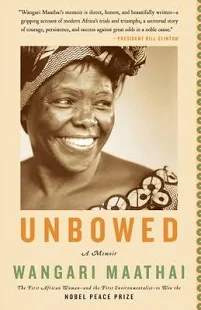
Esther Ngumbi, Associate Professor, Department of Entomology and Department of African American Studies
Unbowed: A Memoir by Wangari Maathai
I was in College when the late Prof. Wangari Maathai, the first African Woman to win the Nobel Peace Prize, was advocating for the environment including saving Nairobi’s Karura Forest through the Green Belt Movement. Her passion, courage, determination, and dedication deeply inspired me. Her love for empowering communities and protecting and standing up for our environment was unparalleled and continues to inspire me while challenging me to consider how research can serve communities and address our society’s persistent challenges!
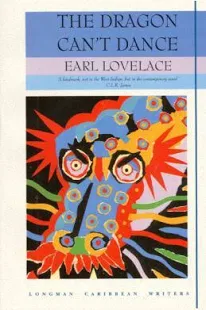
Hayden Noel, Clinical Professor, Department of Business Administration
The Dragon Can’t Dance by Earl Lovelace
As a Trinidadian, The Dragon Can’t Dance feels deeply personal to me. Written by one of us, for us, and about us, it reflects our language, Carnival traditions, creativity, and resilience. Lovelace portrays Trinidadian life with an honesty that lets me recognize myself and my community in its pages. Reading it feels like coming home.
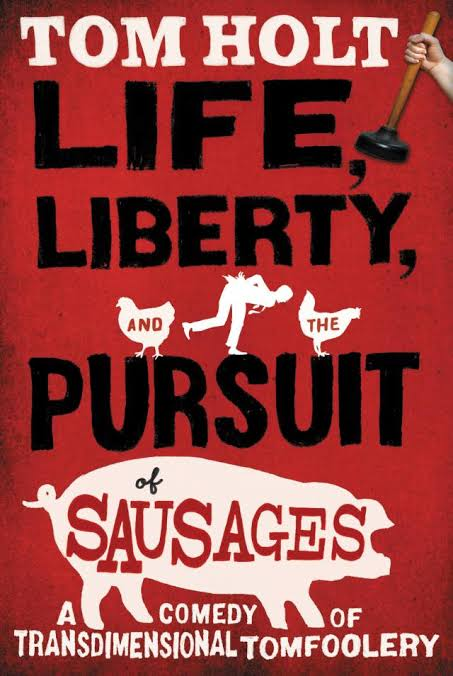
Melkior Ornik, Associate Professor, Department of Aerospace Engineering
Life, Liberty, and the Pursuit of Sausages by Tom Holt
My most important professional and personal message, something I try to communicate to everyone who interacts with me, is that life is much too short to take it seriously. Life, Liberty, and the Pursuit of Sausages describes this philosophy perfectly. Since interacting with it in early grad school days, my job continues to give me the privilege of spending every day with amazing people, filled with laughter. In the end, those experiences are what my career is all about.
Susan Pachera, Clinical Associate Professor, Department of Accountancy
The Alchemist by Paul Coelho
The Alchemist is a book I enjoy for its emphasis on learning through exploration, experience, and mentorship. These same themes drew me to education, and I find myself returning to them in books across many genres.
Francesco Panerai, Associate Professor, Department of Aerospace Engineering
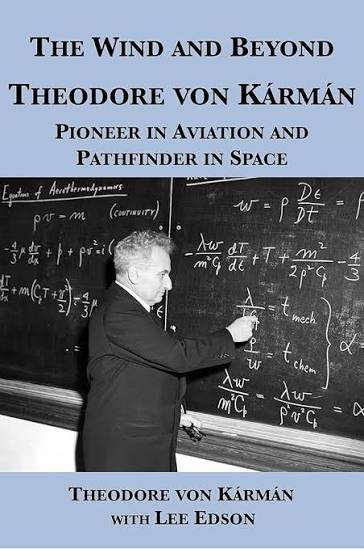
The Wind and Beyond; Theodore von Kármán, Pioneer in Aviation and Pathfinder in Space by Theodore von Kármán with Lee Edison
An inspiring autobiography of the pioneer of high-speed flight, with recounts on scientific discoveries, collaborations, and encounters, that marked the dawn of the space age.
YoungAh Park, Professor, School of Labor & Employment Relations
How to Conduct and Publish High-Quality Research in Industrial-Organizational Psychology by Nathan A. Bowling, Mindy K. Shoss, and Zhiqing E. Zhou (Editors)
This book is an excellent resource, offering concrete, actionable advice, guidance, and insights from a diverse group of expert scholars on navigating the research and publishing processes in industrial-organizational psychology.
Wolfgang Pfaff, Associate Professor, Department of Physics
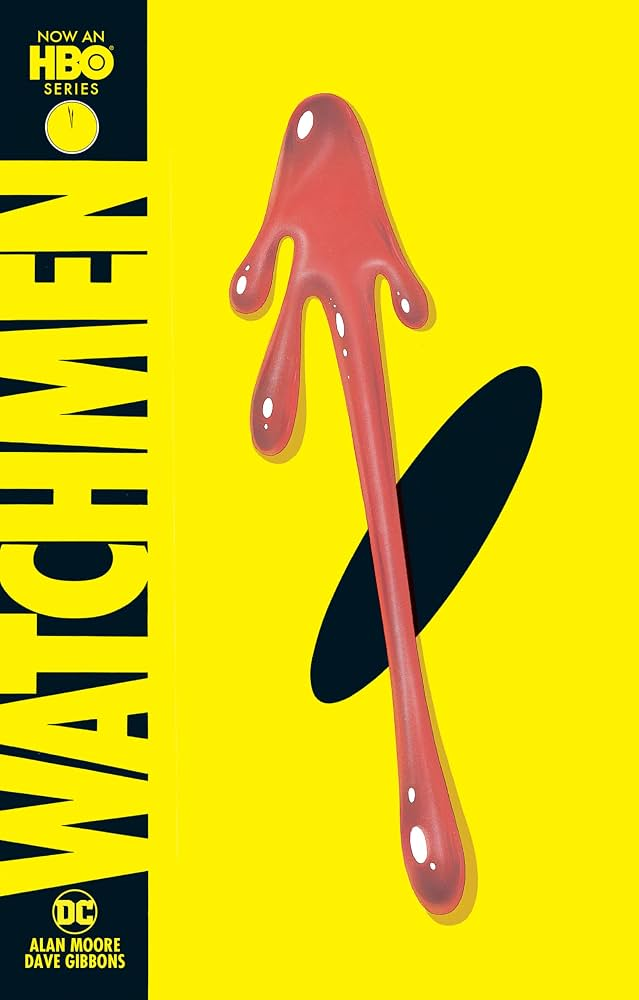
Watchmen by Alan Moore and David Gibbons
An important part of being a teacher and a scientist is explaining, and scientific presentations are a great example of telling stories with the help of pictures — it is truly one of my favorite parts of my job. This book is a milestone in visual storytelling.
Tara Powell, Professor, School of Social Work
The Uses of Haiti by Paul Farmer
The Uses of Haiti was one of the first books I read after returning from the Peace Corps in Mali. Farmer’s examination of how poverty, political instability, and exploitation shape human suffering reinforced my commitment to understanding and addressing the structural determinants of mental health globally.
Surangi Punyasena, Professor, Department of Plant Biology
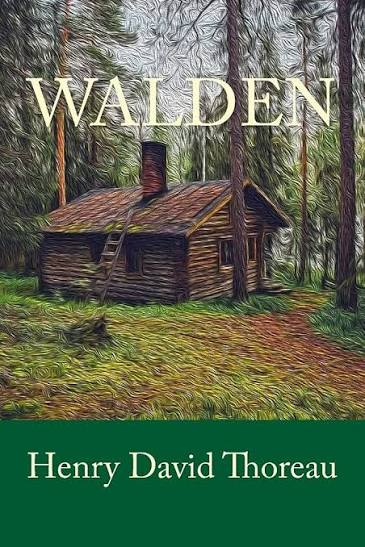
Walden by Henry David Thoreau
Walden will always serve as a reminder to go to the woods and to live deliberately.
Minakshi Raj, Associate Professor, Department of Health & Kinesiology
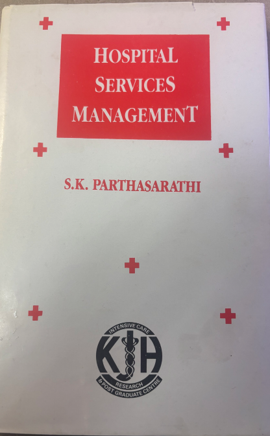
Hospital Services Management by S.K. Parthasarathi
On a visit home as a doctoral student, I came across this book written by my grandfather. I must have seen it a million times as a child, long before I decided to become a health services researcher. It reminds me that some of the most meaningful findings may be the least expected.
Laura Rice, Professor, Department of Health & Kinesiology
No Pity: People with Disabilities Forging a New Civil Rights Movement by Joseph P. Shapiro
Despite its age (published in 1994), this book remains a cornerstone of the disability studies courses I teach. It illuminates the lived experiences of people with disabilities and the societal barriers that shape those experiences. My research focuses on advancing access and supporting people in pursuing the activities and environments they value. The stories in this book remind me why this work matters and continue to ground my commitment to inclusive, community driven research.
Maria Rodas, Associate Professor, Department of Business Administration
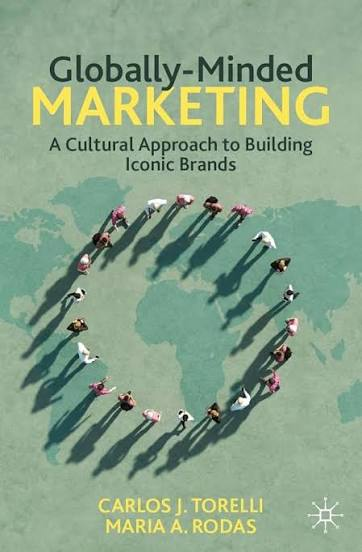
Globally Minded Marketing: A Cultural Approach to Building Iconic Brands by Carlos J. Torelli and Maria A. Rodas
This book represents years of collaborative research with my mentor and colleague Carlos Torelli on how culture shapes branding and consumer behavior. Publishing it distilled our scholarly identity into something students and practitioners can use directly. It marks a milestone in my career, and I’m proud to have it represent this promotion.
Violeta Rodriguez, Associate Professor, Department of Psychology
Cantos de Vida y Esperanza by Rubén Darío
As a Nicaraguan, I chose Cantos de Vida y Esperanza to honor Rubén Darío, whose poetry helped define modern Spanish-language literature. His reflections on identity, hope, and Latin America have remained meaningful to me throughout my life. This book reminds me that our cultural roots and intellectual pursuits can enrich one another and inspire future generations.
Lisa Romero, Professor, University Library
Honey Bee Biology And Beekeeping by Dewey M. Caron with Lawrence John Connor
As a hobby beekeeper I have learned to appreciate how amazing bees are and how their survival relies on their hard work and ability to communicate. Through my own research, I have found these 2 principles to bee universal: communication and hard work are the foundation to any goal.
Emanuel Rota, Professor, Department of French & Italian
Prison Notebooks (Volumes 1, 2 & 3) by Antonio Gramsci
Gramsci was a victim of Fascism, imprisoned solely for his opposition to the regime. His Prison Notebooks exposed Italy’s internal colonial order, in which subaltern cultures were systematically suppressed, and established culture as a crucial terrain in the struggle for freedom. Buttigieg’s edition restores notebooks’ originality and complexity in English.
Sepideh Sadaghiani, Professor, Department of Psychology
The Hidden Angles Of Life by Sadegh Angha
For its illumination of mysteries yet unexplained and its inspiration to those who strive to reveal them through science. This book speaks to the heart and brain alike.
Stephanie Sanders-Smith, Professor, Department of Curriculum & Instruction
Pedagogy, Symbolic Control, and Identity: Theory, Research, Critique by Basil Bernstein
This book has been foundational to my teaching and research since graduate school. Bernstein’s framing of classroom knowledge as emerging from layers of power, policy, and recontextualization has changed the way that I think about teaching and the role of schools as conveyers of knowledge.
Madelyn Rose Sanfilippo, Associate Professor, School of Information Sciences
Privacy in Context: Technology, Policy, and the Integrity of Social Life by Helen Nissenbaum
This book was assigned in the first information science class I took as an undergraduate and started the path that led me here. The contextual integrity framework, introduced in this book, has shaped my personal privacy behaviors, my graduate studies, and the trajectory of my pre-tenure research. It is classic in the field of privacy studies and has much broader implications about how norms differ from context to context.
Nathan Schroeder, Professor, Department of Crop Sciences
Sometimes a Great Notion by Ken Kesey
A remarkable book about family, community, and the question of grit and determination versus compromise.
Jonathon Schuh, Teaching Associate Professor, Department of Electrical & Computer Engineering
ESV Study Bible
This book is the foundation of my life and everything I have comes from it.
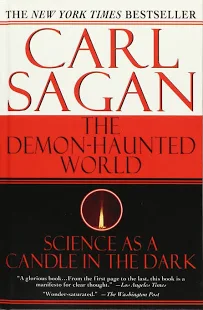
Eric Shaffer, Teaching Professor, Siebel School of Computing & Data Science
The Demon-Haunted World: Science as a Candle in the Dark by Carl Sagan
Carl Sagan’s final book published before his death is a fascinating history of superstition. More than that, it is an impassioned argument for the value of truth and the pursuit of knowledge. I can think of no more appropriate book to be in a university library and I hope more people will read it.
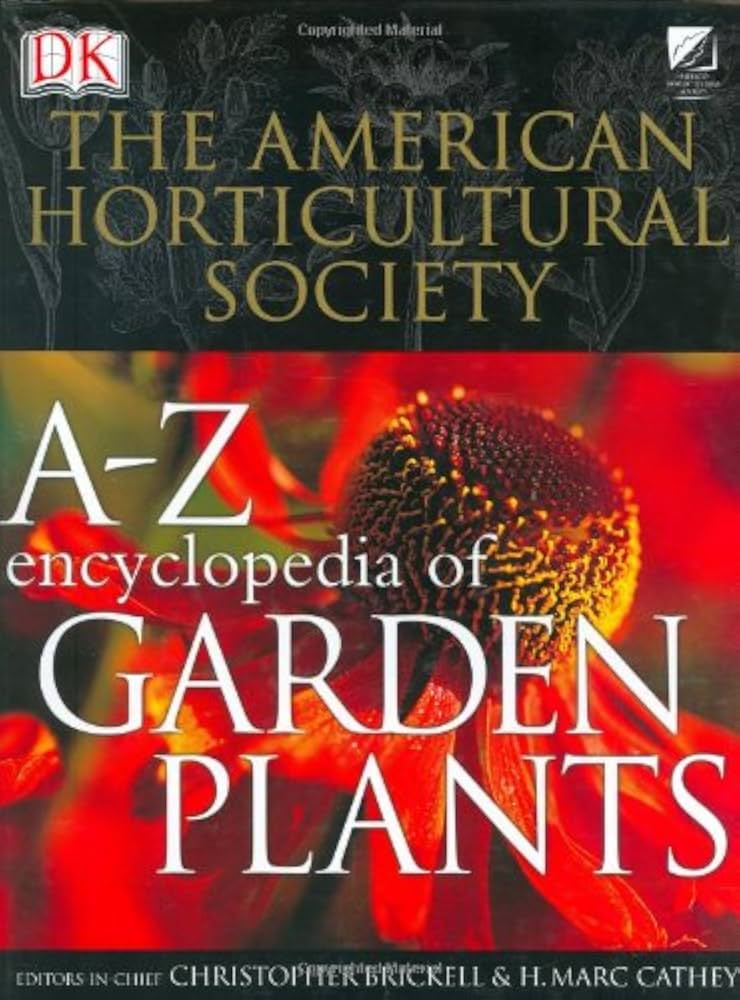
Janis Shearer, Associate Professor, University Library
The American Horticultural Society A-Z Encyclopedia of Garden Plants by Christopher Brickell and Judith D. Zuk
As a home gardener turned horticulturist, I continually use A-Z to find solutions for my garden. I use it as a trusted reference for understanding and appreciating the beauty in plants around me. It reminds me that in every season, a garden is a place of hope.
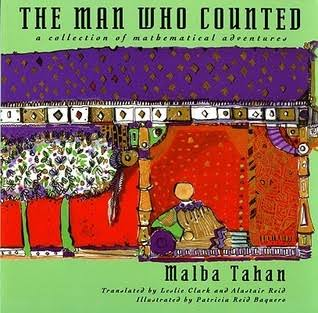
Ilan Shomorony, Associate Professor, Department of Electrical & Computer Engineering
The Man Who Counted: A Collection of Mathematical Adventures by Malba Tahan
My dad loved this book and, by the time I learned to read, he had already “spoiled” many of the book’s wonderful mathematical puzzles for me. The fascinating story of The Man Who Counted has taught many children and adults how to appreciate the beauty of mathematics. I look forward to reading it with my kids!
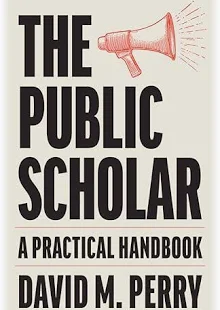
Becky Smith, Professor, Department of Pathobiology
The Public Scholar: A Practical Handbook by David M. Perry
As we move forward in these times, we need more academics who will speak out. This is a handy guide on how to do it.
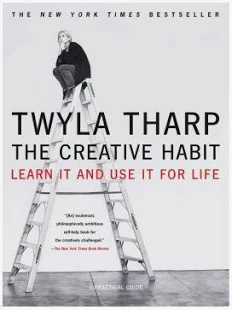
Genesee Spridco, Teaching Associate Professor, Department of Theatre
The Creative Habit by Twyla Tharp
This book has been instrumental throughout my life in replenishing my creative well for devising new works with both soul and structure. Our world of theatrical storytelling craves honesty, ritual, self examination and resiliency. May new works flourish, engage, and challenge our world at large.
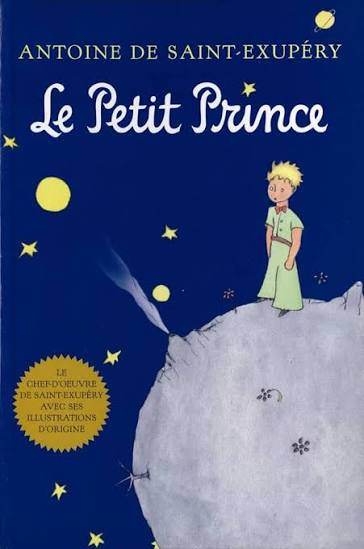
Jean-Charles Stinville, Associate Professor, Department of Materials Science & Engineering
Le Petit Prince by Antoine de Saint-Exupéry
“Ce qui embellit le désert, dit le petit prince, c’est qu’il cache un puits quelque part.” – “What makes the desert beautiful is that somewhere it hides a well.”
Eleonora Stoppino, Professor, Department of French & Italian
Chanson de Roland by Cesare Segre (Translator)
Cesare Segre’s 1971 edition of the Chanson de Roland is a masterpiece of scholarship, showing how deep knowledge of a historical period can make a medieval text come alive. The poem itself, one of the foundational works of the epic tradition, is paradoxical at its core: a glorious tale built around a catastrophic defeat, culminating in the deaths of Roland and his companions. It is a text that questions its own purpose of building identity, community, and nation.
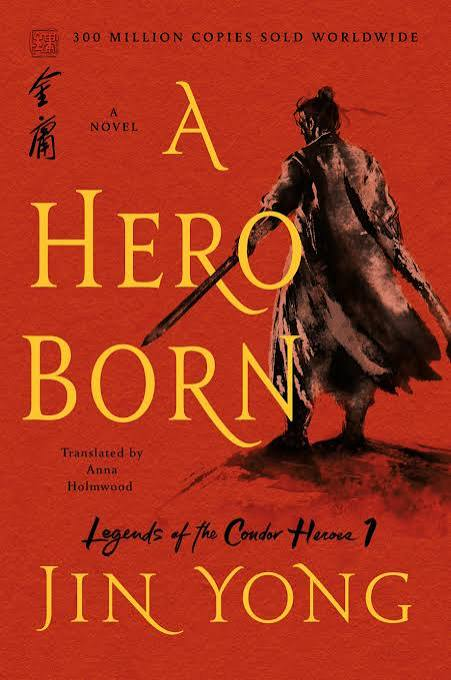
Yunwen Su, Associate Professor, Department of East Asian Languages & Cultures
A Hero Born by Jin Yong
I chose Jin Yong’s The Legend of the Condor Heroes, one of the wuxia novels I loved reading when I was young. These stories introduced generations of Chinese readers to imagined worlds of adventure, loyalty, moral choice, and personal growth. Long before I became a scholar of language, they taught me the pleasure and power of reading and helped shape my enduring connection with Chinese language and culture.
Becca Taylor, Associate Professor, Department of Agricultural & Consumer Economics
It’s Not Easy Being Green and Other Things to Consider by Jim Henson and Cheryl Henson
A gift from a friend at the start of graduate school. Jim Henson’s words remind us to love our individuality, celebrate creativity, and have fun in collaboration. “When I was young, my ambition was to be one of the people who made a difference in this world. My hope still is to leave the world a little bit better for my having been here.” – Jim Henson
Stephanie Toliver, Associate Professor, Department of Curriculum & Instruction
Parable of the Sower by Octavia Butler
Octavia Butler’s Parable of the Sower is the foundation of who I am as a scholar. Over the past seven years, her work has been a guiding light, leading me to methodological, theoretical, and political insights grounded in history, futurity, and the present. Without Butler’s novel, my scholarship is unmoored. With it, my ideas soar.
Sarah Travis, Associate Professor, School of Art & Design
Light in the Dark/Luz en lo Oscuro: Rewriting Identity, Spirituality, Reality by Gloria E. Anzaldúa
Dear reader, in this book, Gloria E. Anzaldúa offers an invitation into understanding how vulnerable efforts to transcribe experience truthfully through art can become scholarship that is transformative of self and society. Let us return to it often as we seek our own “light in the dark/luz en lo oscuro.”
Lindsey Trout, Clinical Associate Professor, School of Social Work
Our Band Could Be Your Life by Michael Azerrad
Our Band Could Be Your Life was chosen for its themes of authenticity, community, and challenging the status quo that have stayed with me over the years. These ideas also reflect values that are central to my work in social work education.
Carena van Riper, Professor, Department of Natural Resources & Environmental Sciences
Theory and Reality: An Introduction to the Philosophy of Science by Peter Godfrey-Smith
Peter Godfrey-Smith’s Theory and Reality has shaped how I think about scholarship by deepening my understanding of the philosophical foundations of science, including theory, explanation, causation, and evidence. Its enduring value lies not in turning researchers into philosophers, but in helping us become better scientists by encouraging critical reflection on how we generate, justify, and use knowledge to understand the world.
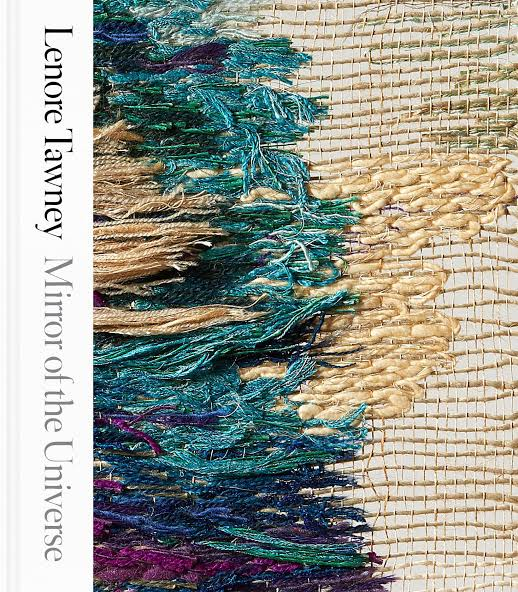
Chiara Vincenzi, Clinical Associate Professor, School of Art & Design
Mirror of the Universe by Karen E. Patteron (editor), Lenore Tawney (artist), and John Michael Kohler Arts Center (host institution, issuing body)
This book isn’t just beautiful to leaf through; it tells the story of Lenore Tawney’s life, and learning about it has deeply inspired me. She attended UIUC, studying art, then moved back to Chicago to continue her studies and begin her career as a weaver and fiber artist, starting only in her 40s. Her story is a reminder that it’s never too late to pursue new creative and intellectual paths, no matter when you begin or how you get there.
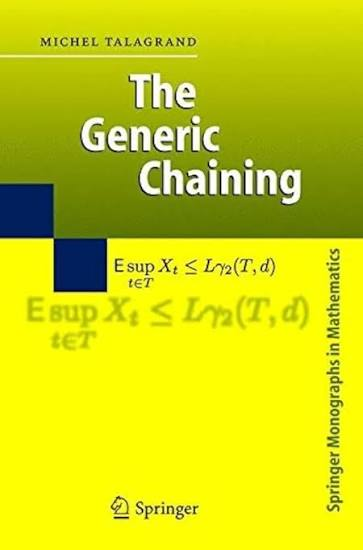
Shulei Wang, Associate Professor, Department of Statistics
The Generic Chaining: Upper and Lower Bounds of Stochastic Processes by Michel Talagrand
I read this book repeatedly during my PhD training. It gave me many of the technical tools that shaped my early research, but more importantly, it fundamentally changed how I think about randomness and how to quantify it. My research has evolved considerably since then, yet the perspective I learned from this book has stayed with me.
Yixin Iris Wang, Associate Professor, Department of Business Administration
Thinking Strategically: The Competitive Edge in Business, Politics, and Everyday Life by Avinash K. Dixit and Barry J. Nalebuff
I chose this book because game theory, particularly the concept of equilibrium, fundamentally shaped how I think about the world. It taught me that outcomes depend not only on our own choices, but also on how others respond. This simple insight sparked my lasting fascination with strategic interactions and shaped my research interests.
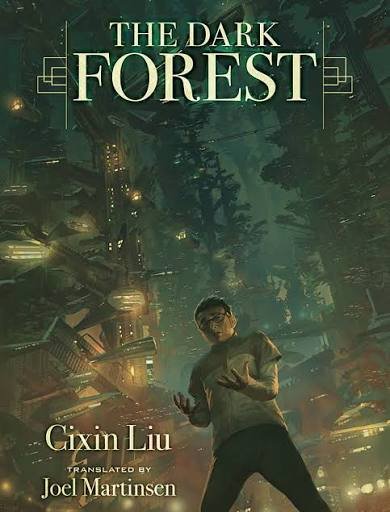
Yuxiong Wang, Associate Professor, Siebel School of Computing & Data Science
The Dark Forest by Cixin Liu
The Dark Forest asks whether trust is possible between civilizations that can never fully know one another. Its exploration of science, intelligence, humanity, and the unknown across vast scales of space and time reflects the kind of thinking I have long been drawn to. I have treasured sharing this book with my children and the memorable conversations it has inspired.
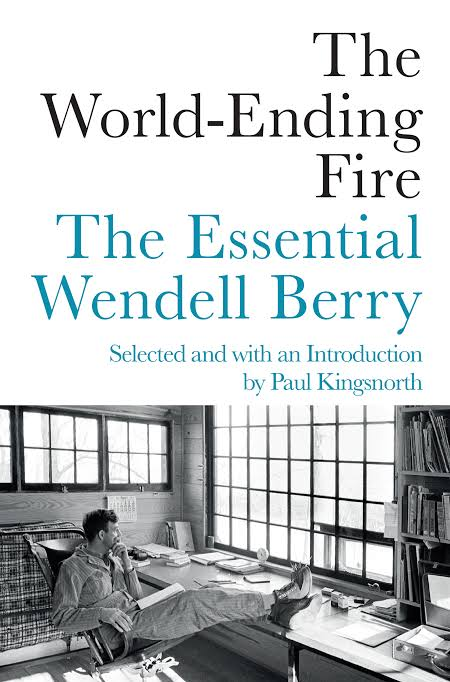
Chloe Wardropper, Associate Professor, Department of Natural Resources & Environmental Sciences
The World-Ending Fire: The Essential Wendell Berry by Wendell Berry
I’ve been reflecting on Wendell Berry’s influence on my personal and professional life since his death this year. Personally, Berry offers me hope in the power of place, land stewardship, and community connection. Professionally, I admire his visionary ideas about policy and practice, like his 50 Year Farm Bill proposal with Wes Jackson that would support a perennial agriculture transition. I hope others in the university community find solace and inspiration in these essays.
Jon Willits, Associate Professor, Department of Psychology
Rethinking Innateness: A Connectionist Perspective on Development by Jeffrey Elman, Elizabeth Bates, Mark H. Johnson, Annette Karmiloff-Smith, Domenico Parisi, and Kim Plunkett
The book was very inspirational to me and to my thinking about cognitive development and the nature-nurture debate. Its author, Jeff Elman, was also a tremendous human being and one of my mentors.
Asif Wilson, Associate Professor, Department of Curriculum & Instruction
Pedagogy of the Oppressed by Paulo Freire
This was the first book that made me think about my practice as a teacher and was much of the inspiration behind my pursuit of an advanced research degree.
Wesley J. Wilson, Associate Professor, Department of Health & Kinesiology
Reflexivity and Change in Adaptive Physical Activity: Overcoming Hubris by Donna Goodwin, Maureen Connolly (Editors)
This edited book prompted me to engage in critical introspection and self-reflexion in my early career work at the intersection of physical education and disability. I consider the text to be foundational for any graduate student or scholar in our field.
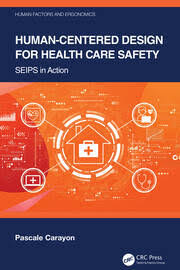
Abigail Wooldridge, Associate Professor, Department of Industrial & Enterprise Systems Engineering
Human-Centered Design for Health Care Safety SEIPS in Action by Pascale Carayon
This is an accessible yet deep book that summarizes the background, development and research to date regarding a seminal human factors/ergonomics model widely used to improve patient safety and quality of care.
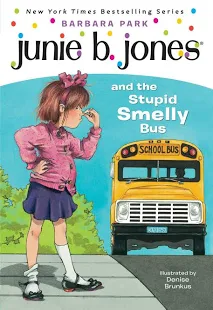
Anna Wright, Teaching Associate Professor, Department of Communication
Junie B. Jones and the Stupid Smelly Bus by Barbara Park
My mom, a school bus driver, gave me this book as my first “chapter book,” sparking a lifelong love of the series. It represents my passion for education and, most importantly, the enduring connection to my family, whose unwavering support has shaped who I am.
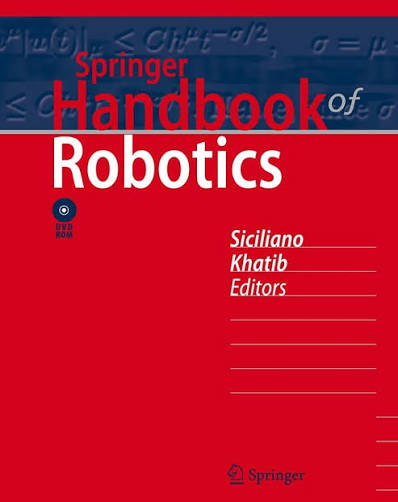
Wenzhen Yuan, Associate Professor, Siebel School of Computing & Data Science
Springer Handbook of Robotics by Bruno Siciliano and Oussama Khatib
This book has accompanied me since I was a student, serving as both an indispensable guide to robotics and, occasionally, a sturdy monitor stand. Its breadth remains humbling and inspiring: a physical monument to the curiosity, ingenuity, and collective wisdom of the robotics community—and to how much there is always left to learn.
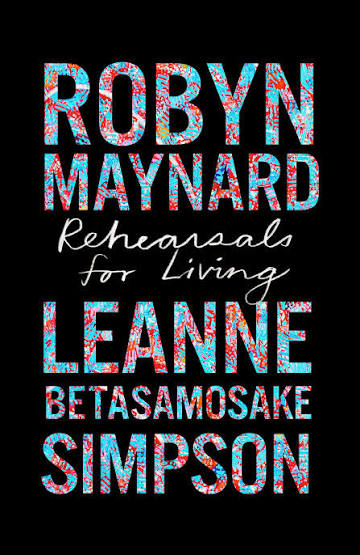
Sofia Zaragocin, Associate Professor, Department of Geography & Geographic Information Science
Rehearsals for Living by Robyn Maynard and Leanne Betasamosake Simpson
I chose Rehearsals for Living because it beautifully brings Black and Indigenous thought into conversation, while asking us to imagine ways of living beyond colonial structures. Its commitment to dialogue, relationality, and creating otherwise resonates deeply with my own scholarship and reminds us that other worlds are not only possible, but necessary.
Richard Zhang, Associate Professor, Department of Electrical & Computer Engineering
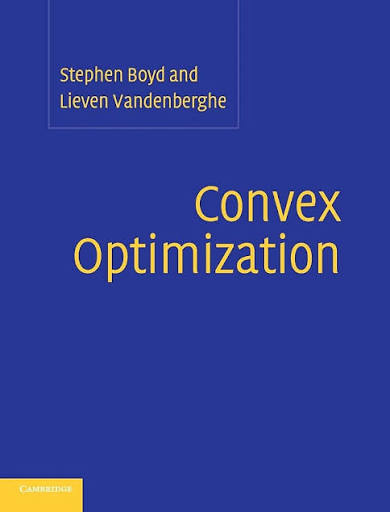
Convex Optimization by Stephen Boyd and Lieven Vandenberghe
More than any other book, Convex Optimization changed my career. It showed me that my instinct to view engineering design as optimization was neither naive nor out of reach, but mathematically rigorous and computationally meaningful. It gave that instinct a language and set me on the path I still follow.
Kai Zhang, Professor, Department of Biochemistry
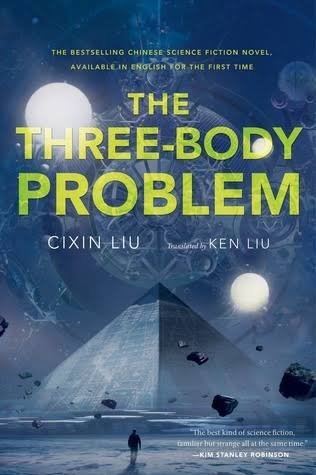
The Three-Body Problem by Cixin Liu
I chose The Three-Body Problem for its extraordinary sense of scale, both scientific and philosophical. It portrays humanity’s vulnerability in a vast and uncertain universe while exploring serious physics through remarkable imagination. I am particularly fascinated by its depiction of higher dimensions and how scientific concepts become integral to an intricate, compelling story.
Yang Zhao, Associate Professor, Department of Electrical & Computer Engineering
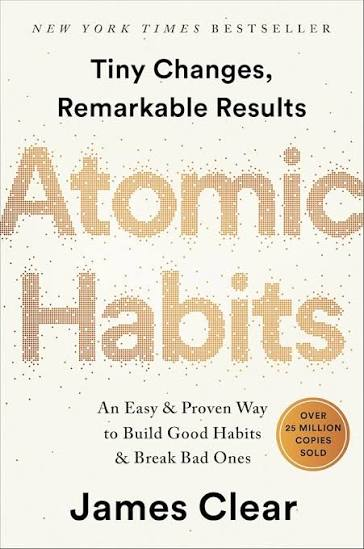
Atomic Habits by James Clear
This book taught me that meticulous improvements in many seemingly minor areas can eventually lead to major breakthroughs.
Sihai Zhao, Professor, Department of Statistics
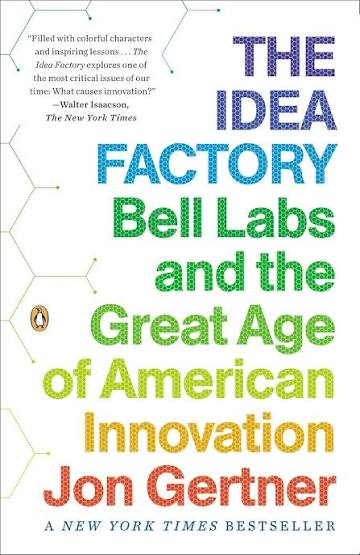
The Idea Factory: Bell Labs and the Great Age of American Innovation by Jon Gertner
This book reminds me that big ideas come not just from people, but also from their interactions with the communities and institutional structures that surround them.