Welcome to Dixon, the Petunia Capitol of Illinois

Nestled along the picturesque Rock River in northwestern Illinois, the city of Dixon bears a fascinating history in the early nineteenth century as a fledgling outpost in the newly incorporated state of Illinois. Established in 1828 by Joseph Ogee, who operated a ferry along the banks of the Rock River, the city would take its name from a “Father” John Dixon after coming to the area in 1830 and purchasing the ferry operation from Ogee. With its advantageous position on the Rock River for trade and commerce, the settlement prospered from the abundance of the significant waterway and quickly grew into a thriving community. 

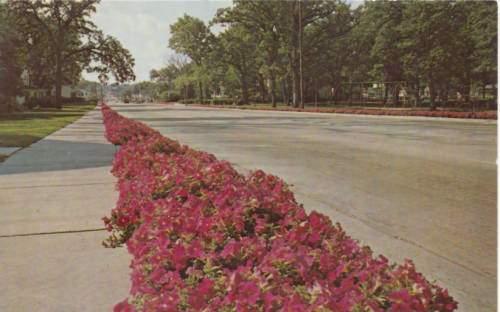
Fifty years later, the thriving city of Dixon saw the creation of Dixon College, a private college that operated with a teacher-training institution, the Northern Illinois Normal School. Dixon College advertised itself as an institution that taught “practically everything” and offered courses in such subjects as civil and electrical engineering, typewriting, and law. Though Dixon College closed around 1914 after only 35 years, the city of Dixon has a number of attractions that keep visitors coming to the area year after year. Designated the “Petunia Capital of Illinois” by the Illinois General Assembly in 1999, the city holds an annual Petunia Festival every summer featuring a parade, carnival, and fireworks show. In preparation for the festival, volunteers and citizens plant thousands of pink petunias along main streets, such as Galena Avenue with its iconic Dixon Arch. 

The IDHH is pleased to welcome the Dixon Public Library to the IDHH and feature their collections with this Highlights post. Here are a few of our favorite items:
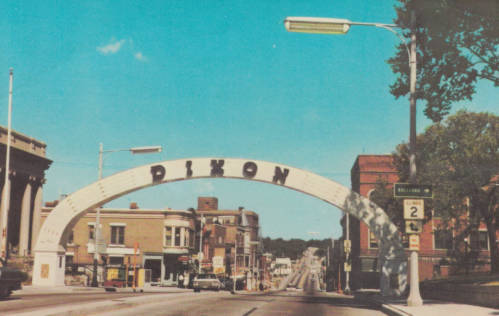
color photo of an archway with the word "Dixon" on it stretched over an empty road with brick buildings in the background.
Beautiful Galena Avenue Dixon, (the petunia city), Illinois. 1960. Photograph by Ralph-Lois Pierce Studio. Dixon Public Library. Dixon History Documents and Photographs. Courtesy of the Dixon Public Library.
color photograph a stretch of road with petunias planted between the sidewalk and road.
Petunia lined Galena Avenue. 1980. Photograph by Ralph-Lois Pierce Studio. Dixon Public Library. Dixon History Documents and Photographs. Courtesy of the Dixon Public Library.
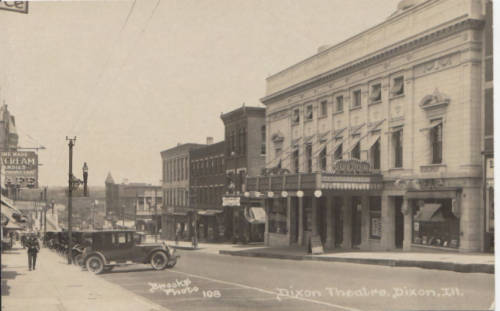
black and white photo of a street in front of an old Dixon Theatre building with early 19th-century automobiles parked along the curb.
Dixon Theatre. 1922. Photograph by Brooks Photo. Dixon Public Library. Dixon History Documents and Photographs. Courtesy of the Dixon Public Library.
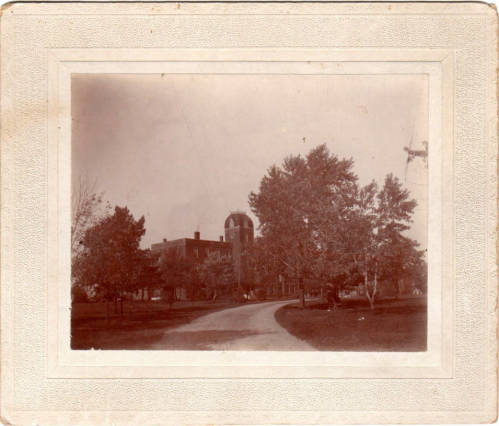
sepia-toned black and white photo of Dixon College Main Building in the background with a road and trees in the foreground.
Dixon College Main Building sepia photograph. n.d. Dixon Public Library. Dixon College. Courtesy of the Dixon Public Library.
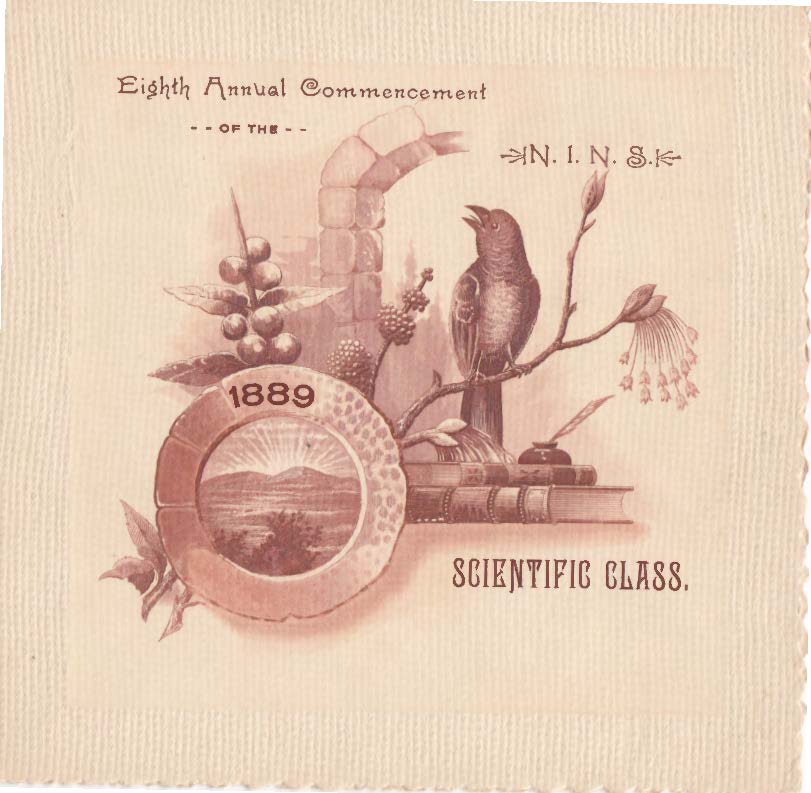
color engraving of a bird sitting on a flower branch over a stack of books and inkwell.
Eighth Annual Commencement of the Scientific Class 1889. 1889. Dixon Public Library. Dixon College. Courtesy of the Dixon Public Library.
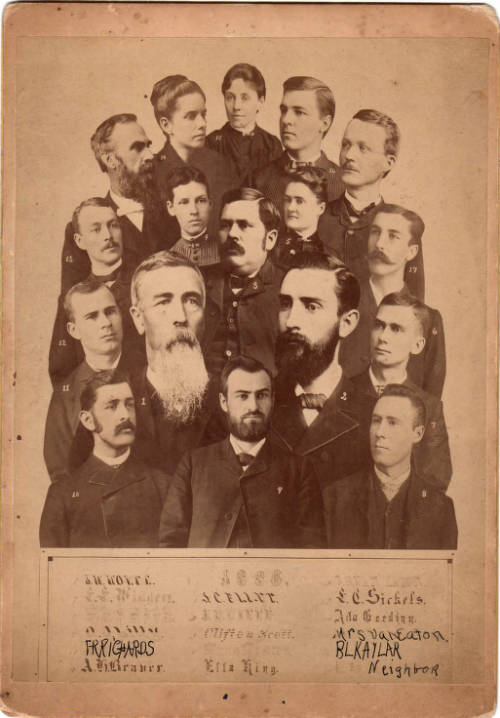
black and white photograph on aged card of headshots of thirteen men and four women arranged in a grouping.
Dixon College Staff. 1881. Dixon Public Library. Dixon College. Courtesy of the Dixon Public Library.
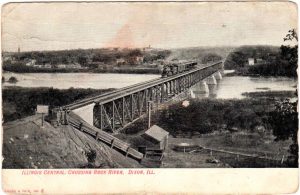
black and white postcard yellowed with age of a train crossing a river on a railroad bridge.
Illinois Central crossing Rock River, Dixon, Ill. 1907. Photograph by E.C. Kropp. Dixon Public Library. Dixon History Documents and Photographs. Courtesy of the Dixon Public Library.

Want to see more? 

Visit the IDHH to explore even more items from the Dixon Public Library.
Introducing the Pantagraph Negative Collections

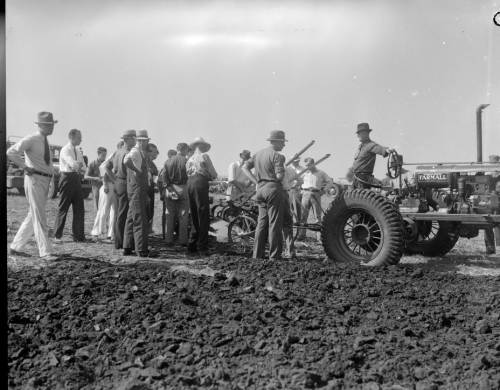
black and white photo of a group of people standing around a farm tractor
Alfalfa Show. 1937. McLean County Museum of History. Pantagraph Negative Collection (1930-1939). Photograph by Olin Piercy. Permission to display given by McLean County Museum of History.

Now included in the IDHH are two collections from the McLean County Museum of History. The Pantagraph Negative Collection 1930-1939 and 1940-1945 include roughly 48,000 scanned negatives from the Pantagraph, a newspaper headquartered in Bloomington. The collections include scans of negatives created by photographer-reporters between 1932 and 1945. The Pantagraph’s origins date back to 1846 and was known for its coverage of regional agricultural concerns, local sports, and community social events in 10 counties surrounding McLean County.  

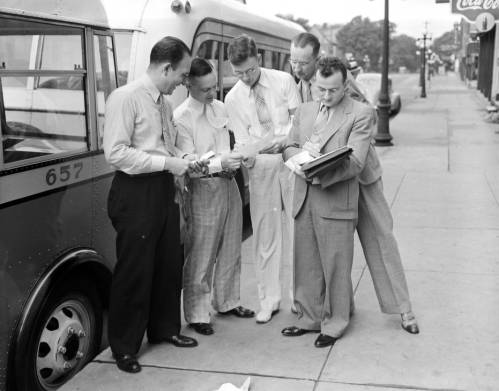
black and white photo of a group of men standing in a circle on a sidewalk while taking notes in notebooks
Family Circle (Pantagraph In House News). 1938. McLean County Museum of History. Pantagraph Negative Collection (1930-1939). Photograph by Charles A. Mercier. Permission to display given by McLean County Museum of History.

The collection, donated to Mclean County Museum of History by the Pantagraph, preserves vivid images of the early and mid 20th century, including the rise of industrial agriculture and the Great Depression in Central Illinois. Here’s a few of the gems from their collection: 

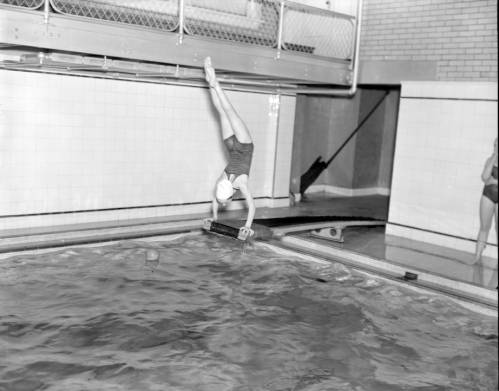
black and white photo of a young woman in a bathing suit and bathing cap doing a handstand on a diving board above a pool
YWCA Swim Meet. 1938. McLean County Museum of History. Pantagraph Negative Collection (1930-1939). Photograph by John S. Bowman. Permission to display given by McLean County Museum of History.
black and white photo of aerial view of corn husking harvesters
Cornhusking Contests. 1938. McLean County Museum of History. Pantagraph Negative Collection (1930-1939). Photograph by Frank Bill. Permission to display given by McLean County Museum of History.
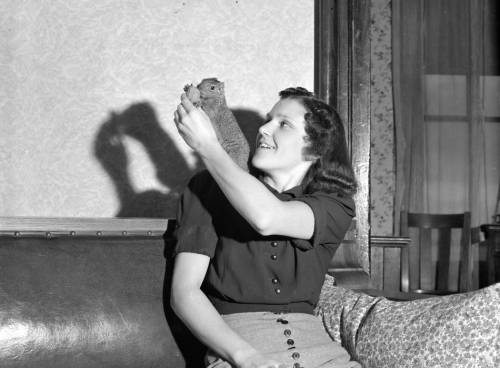
black and white photo of a woman feeding a nut to a squirrel sitting on her shoulder
Danvers, IL pet squirrel. 1940. McLean County Museum of History. Pantagraph Negative Collection (1940-1945). Photograph by Harlan Stranger. Permission to display given by McLean County Museum of History.
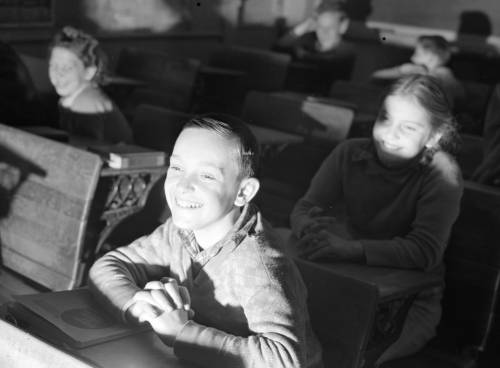
black and white photo of school children sitting in desks
Along the Road, Chenoa. 1941. McLean County Museum of History. Pantagraph Negative Collection (1940-1945). Photograph by Glenn Steeleye. Permission to display given by McLean County Museum of History.
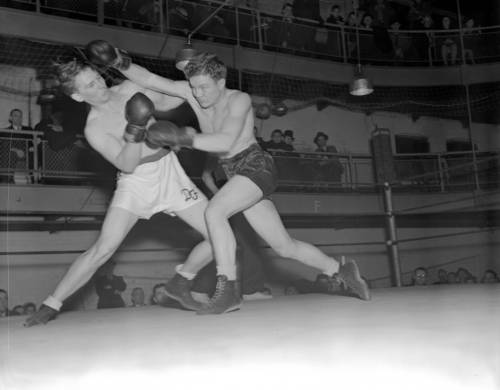
black and white photo of two young men boxing with gloves in a ring
Boxing, Moline vs. Bloomington, Illinois. 1938. McLean County Museum of History. Pantagraph Negative Collection (1930-1939). Photograph by Percy Olin. Permission to display given by McLean County Museum of History.
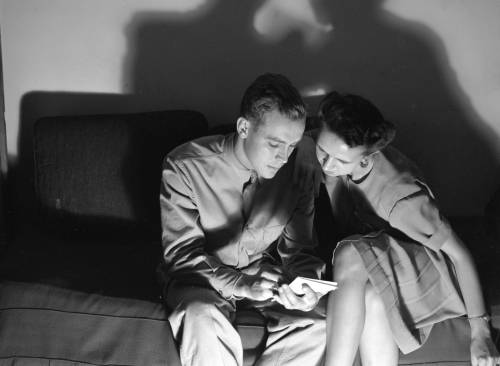
black and white photo of a man and a women sitting next to each other and looking at a piece of paper the man is holding
Fifth Columnists. 1942. McLean County Museum of History. Pantagraph Negative Collection (1940-1945). Photograph by Ralph O. Baird Jr. Permission to display given by McLean County Museum of History.

For more of these two collections, visit the IDHH.

Welcome To Our Newest Contributor, Illinois State University!

Editors Note 03/2021: Voices of Extremism is no longer a collection in IDHH.

Illinois State University (ISU) is our newest contributor, with 13 exciting collections including Voices of Extremism, circus films, and the letters of Buffalo Bill. ISU is now the second largest contributor to the Illinois Digital Heritage Hub, contributing the metadata for nearly 20,000 objects.

One of these collections is the Passion for Circus collection of circus images, a collection of over 9400 photographs of the circus taken between the 1930s and the 1950s. The images come from the special collection of Sverre “Bex” and Faye Braathen, which came to the Milner Library in the mid-1970s after the Braathens passed away.

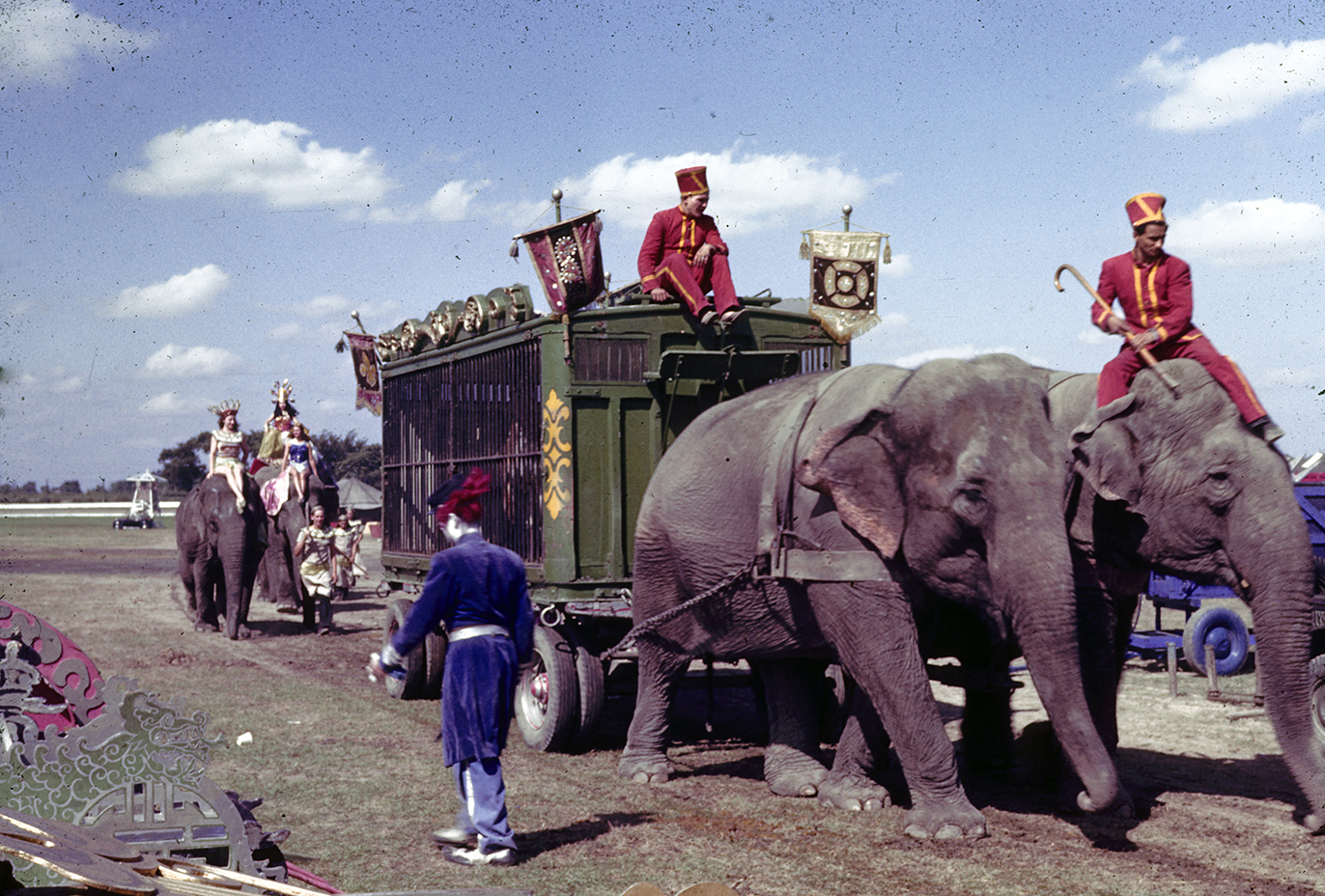
The Passion for Circus collection includes gorgeous color photographs of all things circus that Sverre shot on an Eastman Kodak Ektra F 1.9 camera using Kodachrome film. The photographs show the exciting and vibrant world of circus life and the spectators that flocked to these events. The images show the flashy costumes worn by the performers, the circus wagons used to transport the travelers and their animals around the country, and daring acts of acrobatics and contortionism.

Here is a sneak peak of some of the images from the collection.

Color photo of two elephants pulling green circus cage wagon. Men in red outfits sit atop one elephant and the cage wagon.
Cage Wagon and Elephants. 1943. Illinois State University. Permission to display was given by Milner Library, Illinois State University.
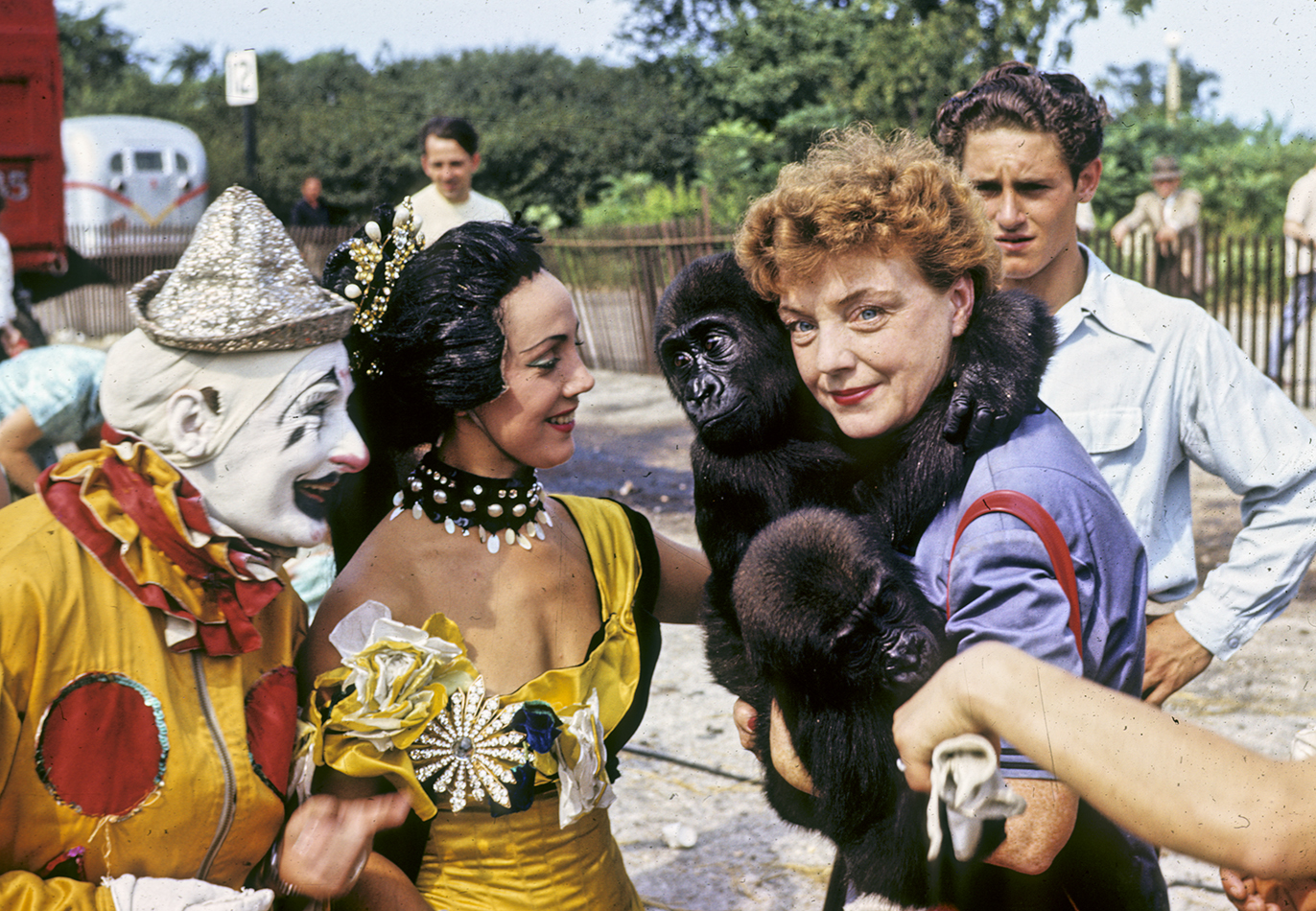
color photo of four circus folk, from left to right: a clown with white and black face paint in a yellow and red outfit, one aerialist in a yellow and black outfit, a woman in blue holding two baby gorillas, and a man in background looking at the gorillas.
Circus personnel with gorilla. 1954. Illinois State University. Permission to display was given by Milner Library, Illinois State University.
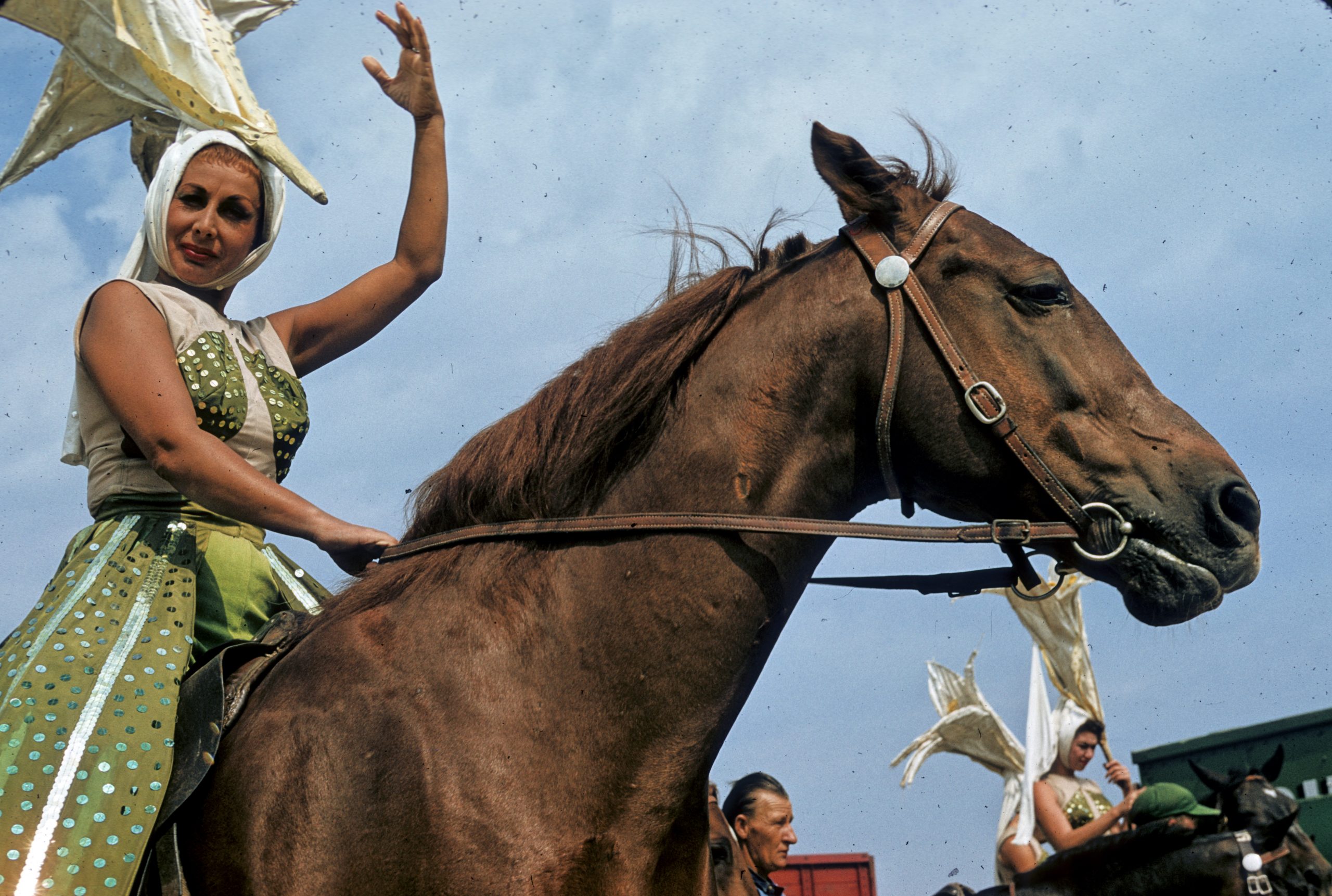
color photo of a female circus performer wearing a large star headdress and green and white outfit, extending her arm and sitting on top of a horse.
Performer on a horse. 1956. Illinois State University.  Permission to display was given by Milner Library, Illinois State University
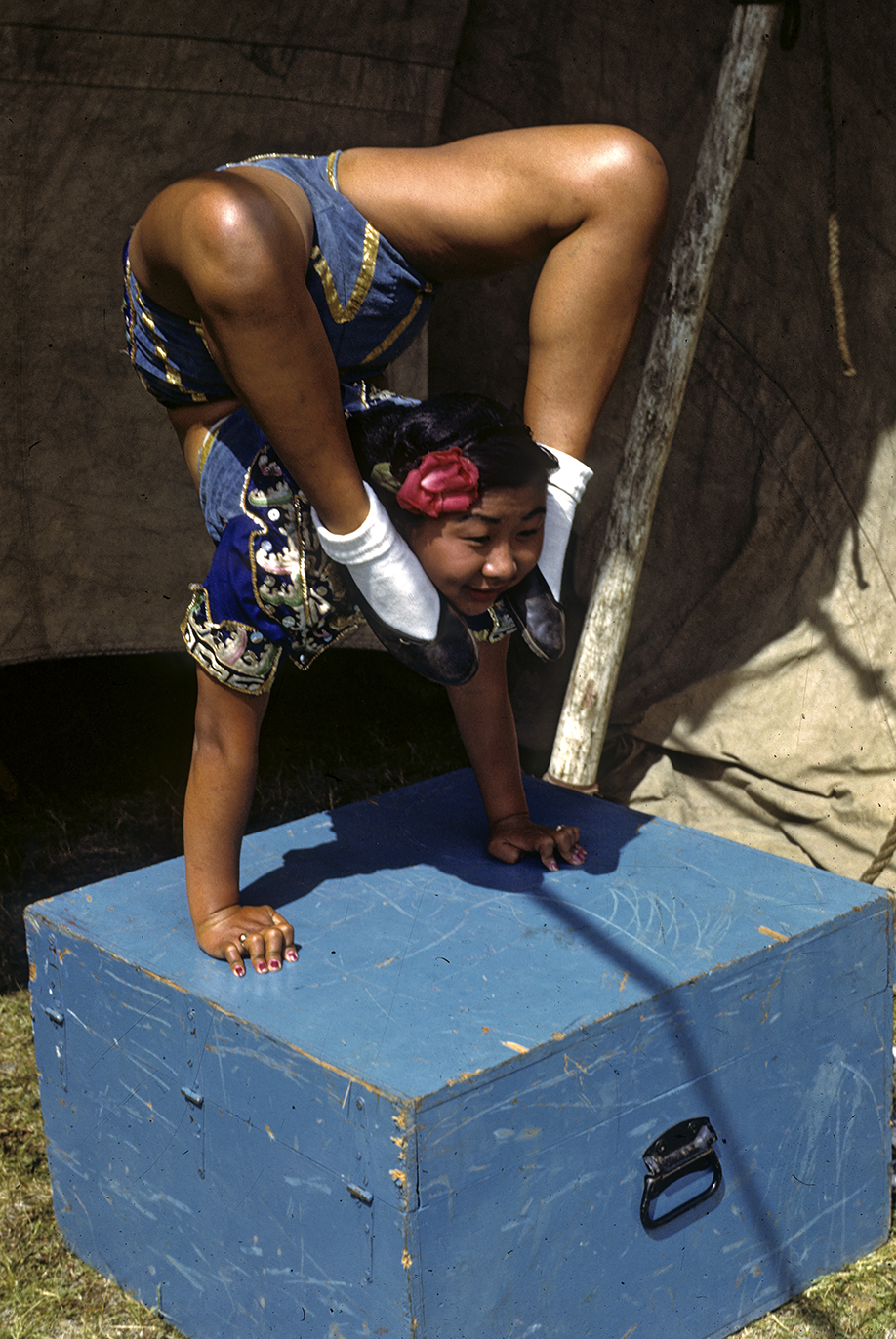
color photo of a female circus performer in blue outfit and a rose in her hair. She is standing on her hands and her feet are on her shoulders
Performer doing contortions. 1950. Illinois State University. Permission to display was given by Milner Library, Illinois State University.
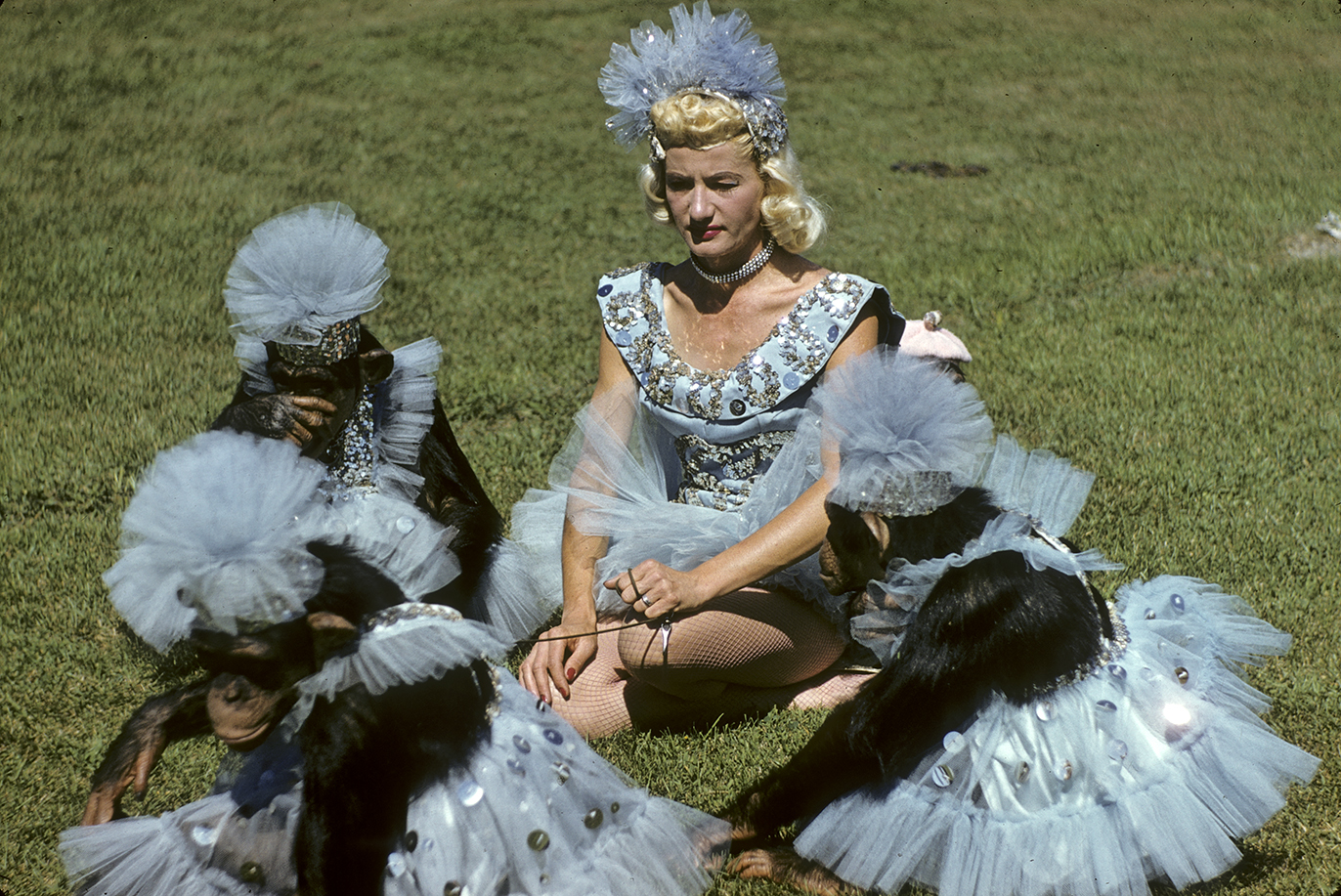
color photo of a female circus performer and chimpanzees sitting on grass, wearing light blue and silver outfits with tutus and headpieces.
Performer and chimpanzees. 1956. Illinois State University. Permission to display was given by Milner Library, Illinois State University.

For more on this collection, visit the Illinois State University Milner Library digital collections on their home site.

You can also access all these images through the IDHH.

Welcome University of Illinois at Urbana-Champaign

This month the IDHH welcomes the University of Illinois at Urbana-Champaign (UIUC) into the hub. UIUC is no stranger to DPLA, and has been a contributing content hub to DPLA since 2013, so we are pleased to welcome a DPLA veteran aboard. UIUC comes to the IDHH with 19 collections ranging in subject from historical maps of Africa to theater and costume design, Irish political cartoons, and much more.

As part of the many collections that the University of Illinois is making available, the Sousa Archives and Center for American Music’s Music Instrument Digital Image and 3D Model Collection boasts 231 images of historical instruments (1810-1972) and includes both the familiar and the unfamiliar. The instruments chronicle the evolution of many of the instruments that we recognize today, as well as many instruments that are a product of their time and did not continue to be produced.

Check out this sneak peek of some of the instruments in this collection.

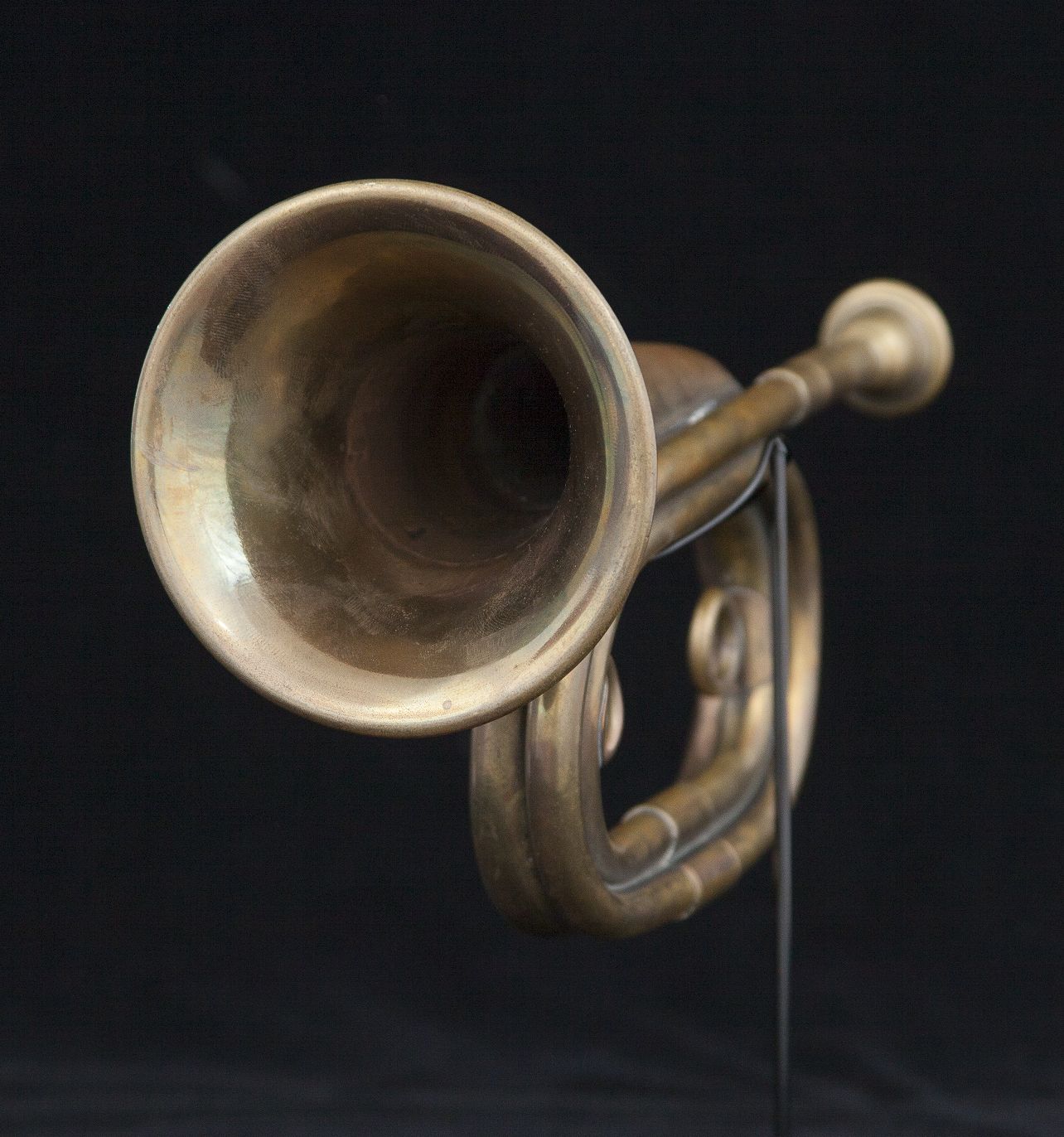
Frontal view of bugle against black background.
Bugle from the Carl Busch Papers and Music Instrument Collection, ca. 1833-1924 (series 12/9/91), Sousa Archives and Center for American Music, University of Illinois at Urbana-Champaign.

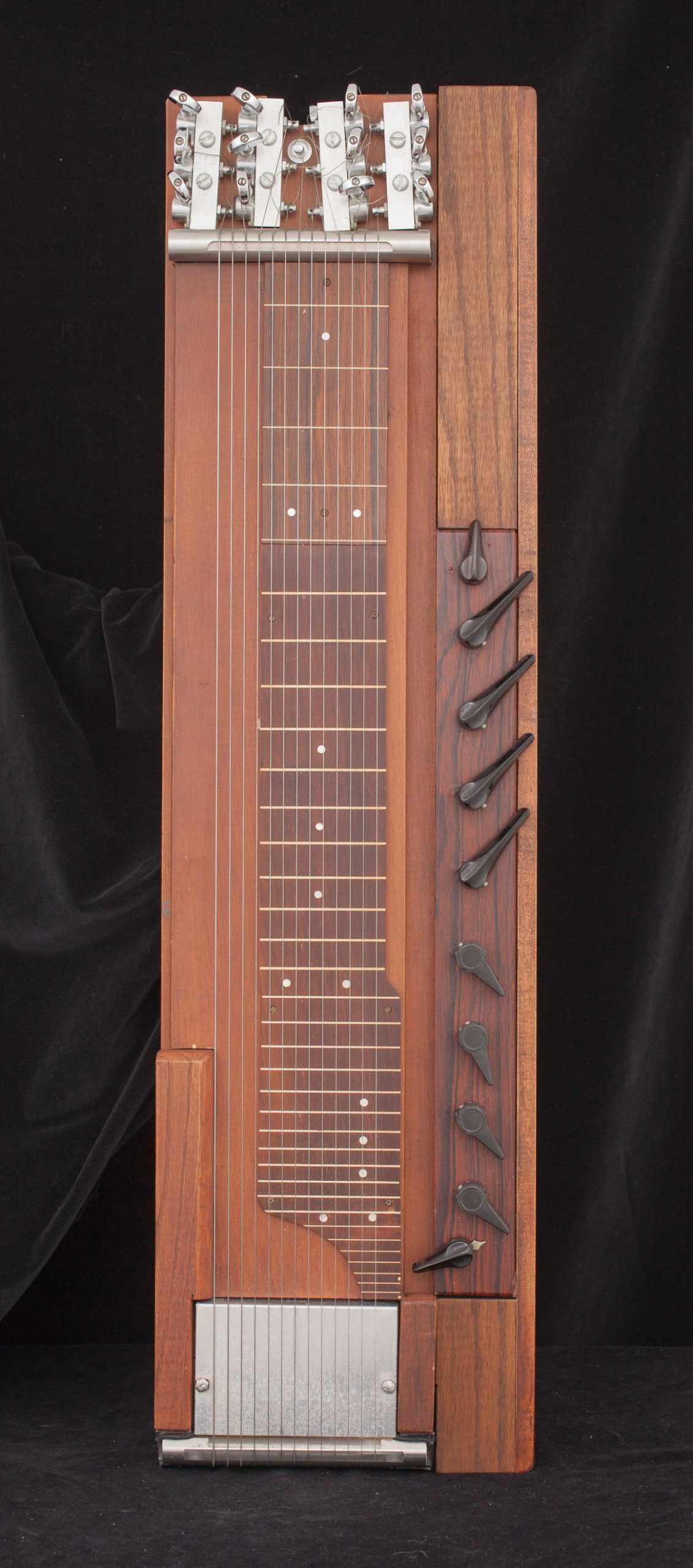
Rectangular experimental guitar made of wood. Right side has 10 levers, there are 12 strings in the center, and a metal plate at the bottom.
Experimental Guitar, Elbern H. “Eddie” Alkire Personal Papers and Music Instrument Collection, 1926-1997 (series 12/9/91), Sousa Archives and Center for American Music, University of Illinois at Urbana-Champaign.

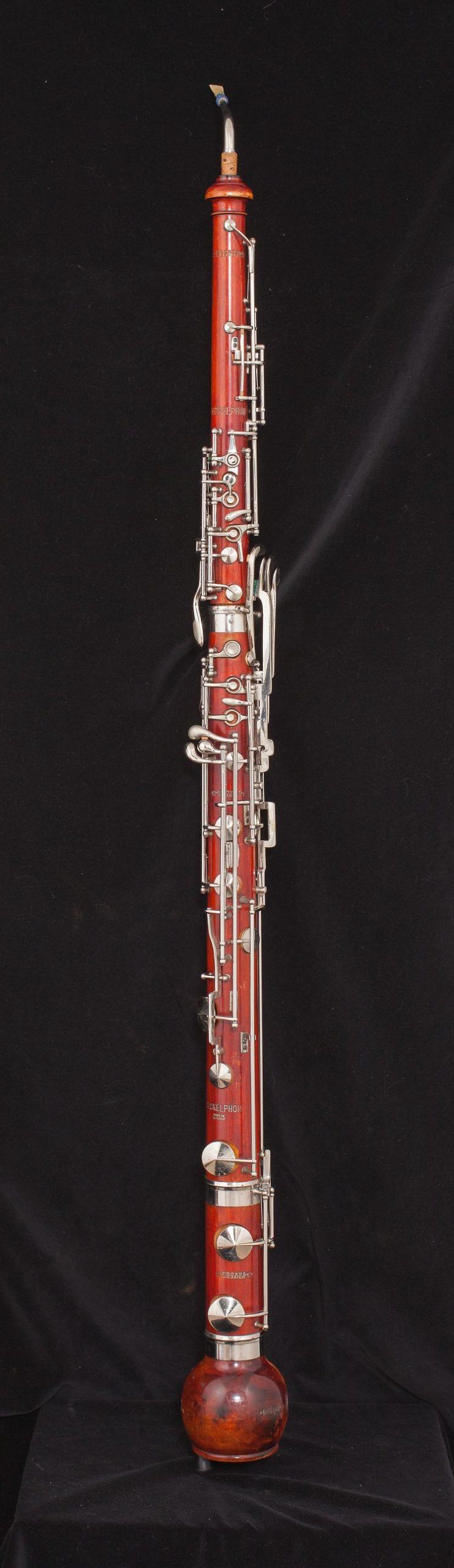
Image of a heckelphone. Double-reed instrument made of a reddish wood with metal keys.
Heckelphone from the University Bands Collection, ca. 1840-1997 (series 12/9/93), Sousa Archives and Center for American Music

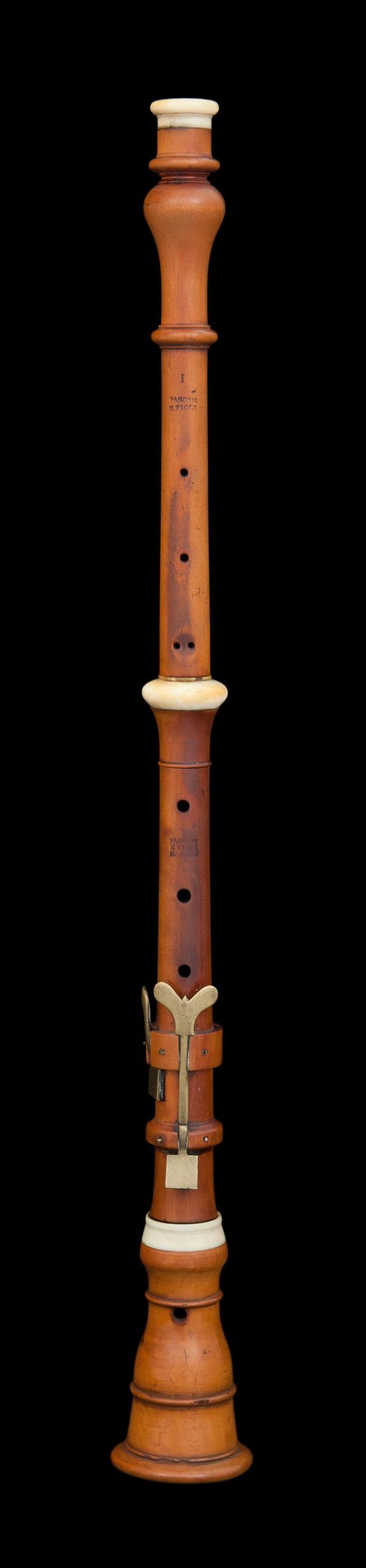
Wood and ivory instrument with finger holes. In the bagpipe family.
Musette from the Carl Busch Papers and Music Instrument Collection, ca. 1833-1924 (series 12/9/93), Sousa Archives and Center for American Music, University of Illinois at Urbana-Champaign.

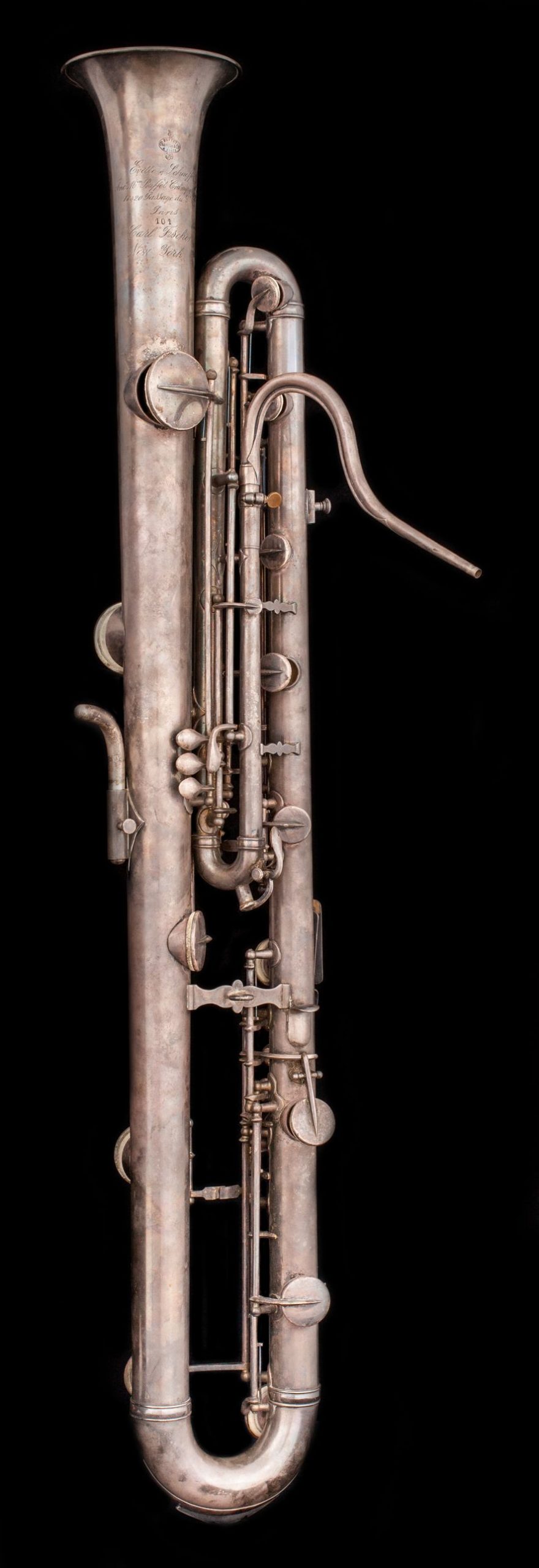
Silver instrument with keys, similar to saxophone, but with bell facing upwards.
Sarussophone from the Carl Busch Papers and Music Instrument Collection, ca. 1833-1924 (series 12/9/93), Sousa Archives and Center for American Music, University of Illinois at Urbana-Champaign.

To see more of the images in the collection, please click here.

The University of Illinois at Urbana-Champaign has many other collections as part of the IDHH here.


Welcome to IDHH Highlights!

This new blog will highlight digital collections that have been contributed to the Illinois Digital Heritage Hub and will be updated biweekly.  These collections come from the rich and diverse group of institutions that contribute their metadata to the IDHH.  Contributors are made up of libraries, archives, museums, historical societies, and many other great institutions from around the state of Illinois.

In these collections you will find diaries chronicling the first hand experience of residents of Illinois, photographs documenting the changing cities and towns, and newspapers that give a glimpse into everyday life of years gone by.   All of these and more can be found through the Illinois Digital Heritage Hub, as well as highlighted here on the IDHH Highlights blog.  Explore the rich cultural heritage of Illinois with us!