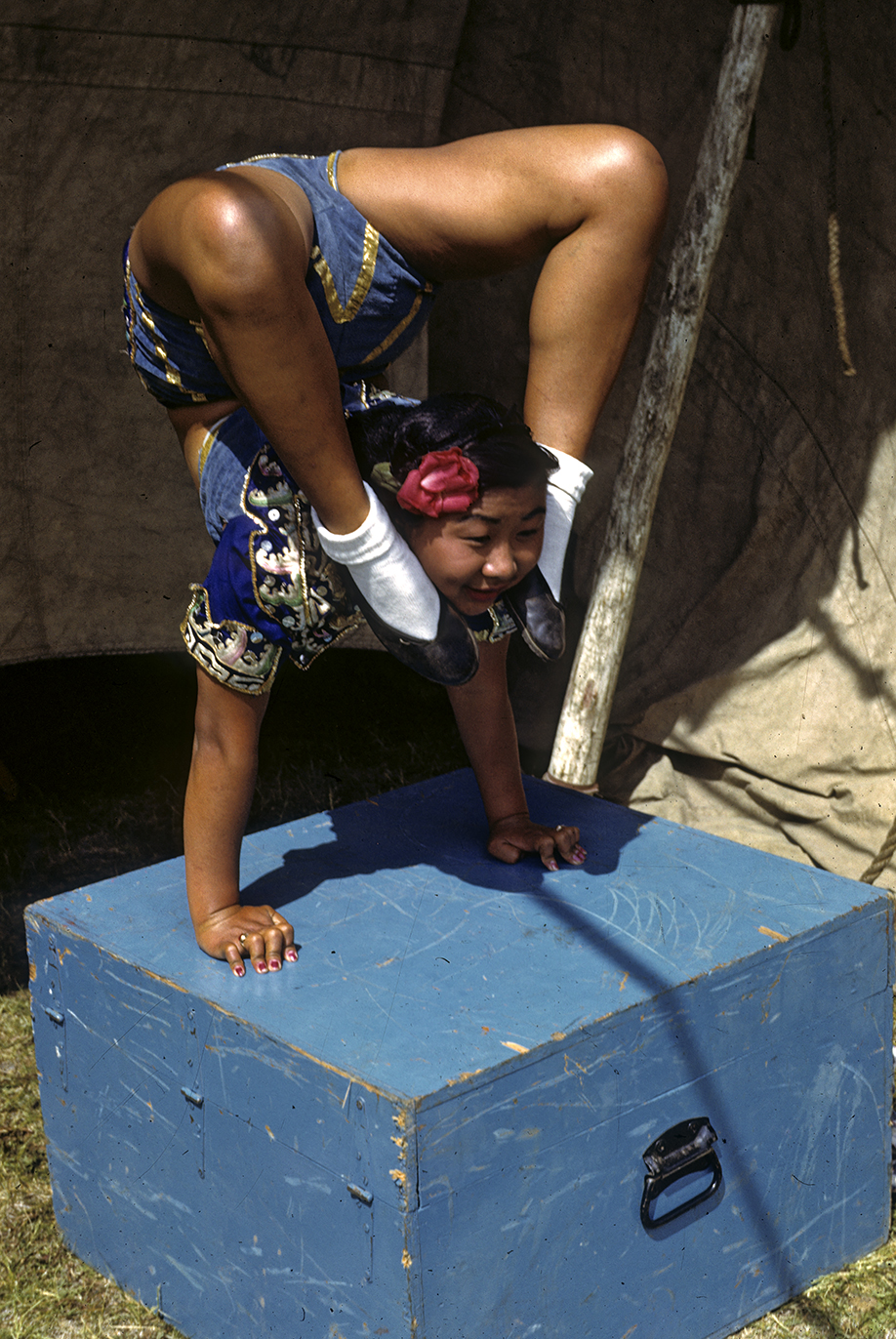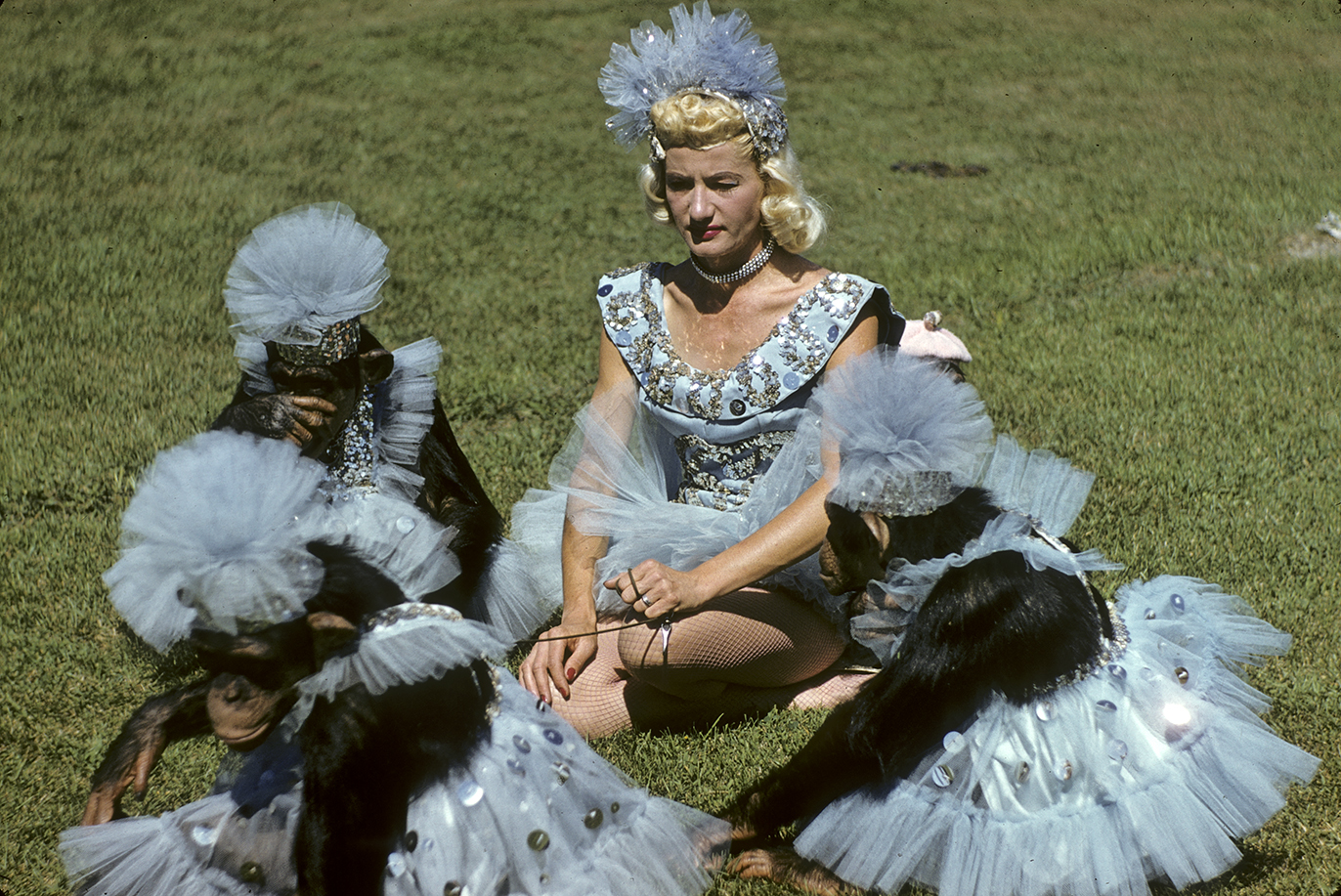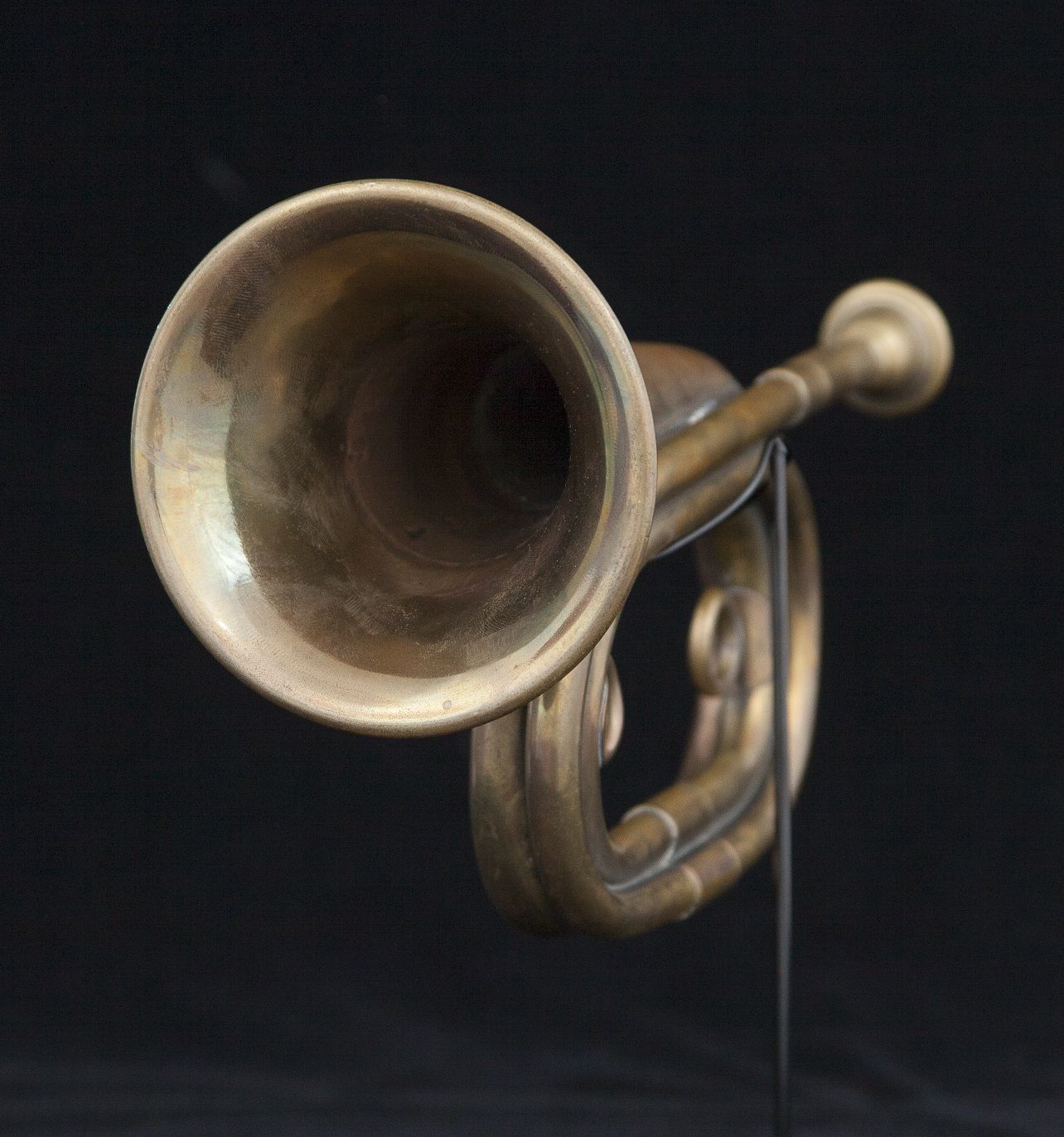
Horst-Schulze. Drobner, Agnes. 1900. UIUC Library. John Starr Stewart Ex Libris Collection. Permission to display was given by UIUC Library.
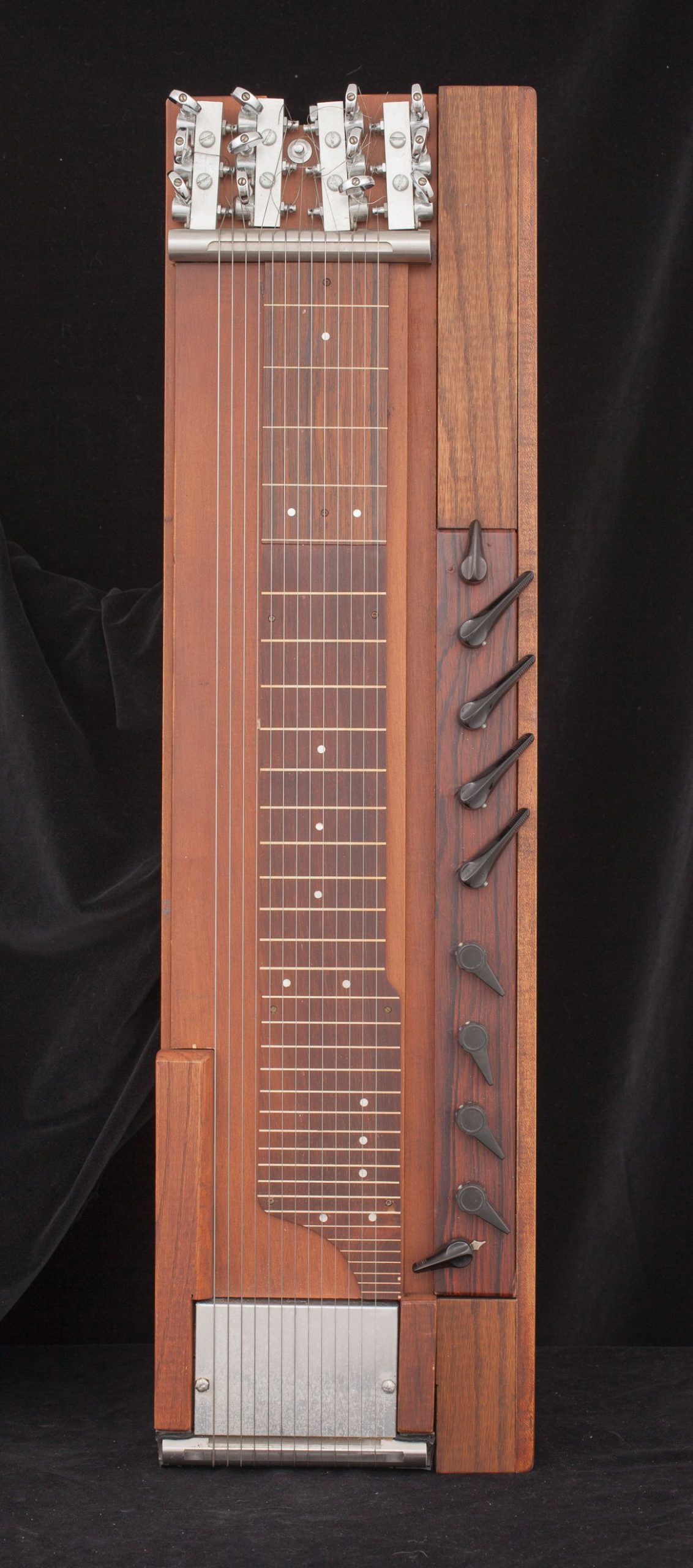
The Sousa Archives houses thousands of pages of sheet music, musical instruments, and other historical artifacts pertaining to America’s diverse music heritage. Among these is a fascinating collection of early and experimental guitars, including some of the first electric Hawaiian guitars produced. Included below are an assortment of these unique guitars, including table and lap-style guitars developed by Eddie Alkire and produced by the Rickenbacker and Epiphone guitar companies, as well as Alkire’s modified 12-string acoustic Oahu GUITAR.
Rickenbacker. Steel guitar. ca 1932. UIUC Library. Sousa Archives Music Instrument Digital Image and 3D Model Collection. Permission to display was given by UIUC Library.Hawaiian guitar. Date unknown. UIUC Library. Sousa Archives Music Instrument Digital Image and 3D Model Collection. Permission to display was given by UIUC Library.Epiphone. Eharp-Lap Model Guitar. Date unknown. UIUC Library. Sousa Archives Music Instrument Digital Image and 3D Model Collection. Permission to display was given by UIUC Library.Epiphone. Eharp. Date unknown. UIUC Library. Sousa Archives Music Instrument Digital Image and 3D Model Collection. Permission to display was given by UIUC Library.
There is still a nip in the air across Illinois but this week marks the calendar’s first week of Spring. To celebrate Spring and to turn our minds toward warmer weather, the IDHH highlights the Lenhardt Library of the Chicago Botanic Garden’s collection in the Illinois Digital Archive. The collection features more than 100 digitized books, postcards, and photography. These digital items represent a tiny fraction of the Lenhardt Library’s rare book collection, which provides 500 years of research on nearly all things related to botany, horticulture, agriculture, gardening, landscaping, and botanical art.
The first three items below are postcards featuring photomechanical prints of original photographs and paintings of botanical landmarks in Lincoln Park, Jackson Park, and Washington Park. All of these places, the Conservatories in Lincoln Park and Washington Park and the Japanese Garden in Jackson Park are still extant.
Interior conservatory, Washington Park, Chicago. 1934. Lenhardt Library of the Chicago Botanic Garden. Permission to display was given by Lenhardt Library of the Chicago Botanic Garden.
Easter and spring flower show, Lincoln Park. 1953. Lenhardt Library of the Chicago Botanic Garden. Permission to display was given by Lenhardt Library of the Chicago Botanic Garden.
Japanese garden, Jackson Park, Chicago. c. 1936. Lenhardt Library of the Chicago Botanic Garden. Permission to display was given by Lenhardt Library of the Chicago Botanic Garden.
The last items are photographs from the 1965 Chicago World Flower and Garden Show. First held in 1847, the tradition continues to this day.
Chicago World Flower and Garden Show. 1965. Lenhardt Library of the Chicago Botanic Garden. Permission to display was given by Lenhardt Library of the Chicago Botanic Garden.
Chicago World Flower and Garden Show. c. 1965. Lenhardt Library of the Chicago Botanic Garden. Permission to display was given by Lenhardt Library of the Chicago Botanic Garden.
Happy St. Patrick’s Day! The Illinois Digital Heritage Hub celebrates by highlighting collections at the Lake Forest Academy and the Quincy Public Library.
Lake Forest Academy has a long and fascinating legacy that encompasses the history of Ferry Hall, which merged with the Academy in the 1970s. In the image below, students in costume gather for a St. Patrick’s Day dinner and festivities.
Saint Patrick’s Day Dinner, Ferry Hall, circa 1895. Lake Forest Academy. Lake Forest Academy and Ferry Hall Archives. Permission to display was given by the Lake Forest Academy.
The Quincy Public Library has long been a cornerstone of its town and community. The images below capture the library’s participation in Quincy’s celebration of St. Patrick’s Day in the early 1990s.
Bookmobile in the St. Patrick’s Day Parade. Pre-1991. Quincy Public Library. Quincy Area Historic Photo Collection. Permission to display was given by the Quincy Public Library.
This post was co-written by Ben Ostermeier, developer for Madison Historical.
The IDHH thanks Madison Historical, a collaboration of Southern Illinois University, Edwardsville, and 26 local Madison County institutions, for sharing their collections with the DPLA. Madison County, home to Edwardsville, Granite City, Alton, and Madison, was the place of residence of abolitionist, Elijah Lovejoy, whose murder by pro-slavery sympathizers in 1837 inspired anti-slavery activists and militants, including John Brown. Historically, Madison county was a much larger and once occupied land from Michigan’s Upper Peninsula, parts of Minnesota, Wisconsin, and the northern two thirds of Illinois.
Madison County is well known as a seat of industry in the state of Illinois. One of the oldest and longest enduring is agriculture, including wheat, corn, soy, and horseradish. Pictured below are some early tractors from the turn of the 20th century, often assisted by horses.
Herman Schunke’s Thresher and Crew. 1900-1910. Madison Historical – Southern Illinois University Edwardsville. Permission to display was given by Southern Illinois University, Edwardsville.
Horse Drawn Tractor. Date unknown. Madison Historical – Southern Illinois University Edwardsville. Permission to display was given by Southern Illinois University, Edwardsville.
Side View of Anna and Emil Brockmeir with Herb Maack on tractor. 1920s. Madison Historical – Southern Illinois University Edwardsville. Permission to display was given by Southern Illinois University, Edwardsville.
Madison County was also home to the Illinois Glass Company, based in Alton. The company merged with the Owens Bottle Machine Company in 1923 to become the Owens-Illinois Glass Company and the largest glass bottle producer in the world. Their largest factory was in Alton until it closed in 1983.
“Diamond I” Products Catalog for the Illinois Glass Company. 1900-1929. Madison Historical – Southern Illinois University Edwardsville. Permission to display was given by Southern Illinois University, Edwardsville.
Aerial View of Owens-Illinois Glass Factory, Alton, and Mississippi River. 1973-04-06. Madison Historical – Southern Illinois University Edwardsville. Permission to display was given by Southern Illinois University, Edwardsville.
Worker at Owens-Illinois Glass Factory in 1973. 1973-06-25. Madison Historical – Southern Illinois University Edwardsville. Permission to display was given by Southern Illinois University, Edwardsville.
Coal mining was another leading industry through the mid-20th century, though mines are now abandoned. Below are pictures of the people and equipment that made Madison County one of the leading coal-producing regions in the country.
1918 Liberty Bond Drive Outside of Coal Mine #2 in Glen Carbon, Illinois. 1918. Madison Historical – Southern Illinois University Edwardsville. Permission to display was given by Southern Illinois University, Edwardsville.
3 men inside coal mine #2 sitting on coal carts. 1910. Madison Historical – Southern Illinois University Edwardsville. Permission to display was given by Southern Illinois University, Edwardsville.
Coal Miners in front of railroad car filled with coal. Date unknown. Madison Historical – Southern Illinois University Edwardsville. Permission to display was given by Southern Illinois University, Edwardsville.
A major industry still active in Madison County is oil refining, with John D. Rockefeller’s Standard Oil establishing a refinery in 1908 in Wood River, and Shell Oil establishing another in Roxana in 1918. The Shell Oil refinery is now operated by Phillips 66.
Trumble 2 Fractionator System view from the South during the 1917-1918 Construction of the Wood River Refinery. Madison Historical – Southern Illinois University Edwardsville. Permission to display was given by Southern Illinois University, Edwardsville.
Oil Tank at the Standard Oil Refinery in Wood River. 1970s. Madison Historical – Southern Illinois University Edwardsville. Permission to display was given by Southern Illinois University, Edwardsville.
1954 Aerial Photograph of Refinery Tanks. 1954-03. Madison Historical – Southern Illinois University Edwardsville. Permission to display was given by Southern Illinois University, Edwardsville.
Finally, the railroad industry played a huge role in the development of Madison County, tying into both agriculture, mining, as well as petroleum. Trains made commerce across Illinois and throughout the country more efficient, transporting Madison County’s products throughout the U.S.
Steam Train No. 1522. Date unknown. Madison Historical – Southern Illinois University Edwardsville. Permission to display was given by Southern Illinois University, Edwardsville.
Illinois Central Railroad Freight Train Pulled by Engine No. 408. Date unknown. Madison Historical – Southern Illinois University Edwardsville. Permission to display was given by Southern Illinois University, Edwardsville.
Illinois Terminal Railroad Company Steam Engine No. 20. Date unknown. Madison Historical – Southern Illinois University Edwardsville. Permission to display was given by Southern Illinois University, Edwardsville.
Another collection belonging to Madison Historical are a series of high school newspapers from Granite City High School from the 1930s to the 1950s. Spanning the Great Depression, World War II, and the early years of the Cold War, the newspapers offer fascinating insight into adolescent reactions to major world events of the 20th century.
“Granite High World” School Newspapers for the 1945-46 School Year. 1945-10-04. Madison Historical – Southern Illinois University Edwardsville. Permission to display was given by Southern Illinois University, Edwardsville.
The IDHH celebrates Black History Month with collections remembering African American cultural heritage,communities, and Black-owned businesses in Illinois. We highlight two collections, the McLean County Historical Society’s Bloomington-Normal Black History Project and Elgin Community College’s Elgin Community College History collection.
The Elgin Community College History collection includes images from Elgin-area Black History Month celebrations often involving prominent figures in African American history and culture. In particular, Tuskegee Airman Andrew Lane met with Larkin High School students for Black History Month in 1994.
Tuskegee Airman Andrew Lane with students. 1994. Elgin Community College. Elgin Community College History collection. Permission to display given by Elgin Community College.
Tuskegee Airman with Larkin High School students. 1994. Elgin Community College. Elgin Community College History collection. Permission to display given by Elgin Community College.
The McLean County Historical Society’s collection chronicles African American communities and notable residents as well as Black-owned businesses in the Bloomington-Normal area from the turn of the 20th century through the 1990s. Featured below are, clockwise, beginning in the top right, photos of Ike and Lue Anna Brown Sanders’ Working Men’s Club, Harry Bell’s Tailor Shop, Robert Gaston’s Upper Cut Barbershop and Richard Bell’s amusement park.
Ike Sanders – Working Men’s Club – Interior. C. 1917. McLean County Historical Society. Bloomington-Normal Black History Project. Permission to display given by McLean County Museum of History.
Harry Bell’s Tailor Shop. C. 1915. McLean County Historical Society. Bloomington-Normal Black History Project. Permission to display given by McLean County Museum of History.
Robert Gaston – The Upper Cut Barbershop (exterior). C. 1970-1979. McLean County Historical Society. Bloomington-Normal Black History Project. Permission to display given by McLean County Museum of History.
Richard Bell – Dick Bell’s Park. C. 1950-1959. McLean County Historical Society. Bloomington-Normal Black History Project. Permission to display given by McLean County Museum of History.
We commemorate the life and legacy of Dr. Martin Luther King, Jr. and the activism for justice and equality that his work is a part of and continues to be exigent to this day. The IDHH highlights collections from the Chicago History Museum that include photographs by DC-area journalist, Declan Haun, as well as an interview with an activist who participated in protests in Chicago in response to King’s assassination in 1968.
The Chicago History Museum’s Prints and Photographs Collection includes photographs from King’s “I Have a Dream” Speech on August 28,1963 (the first image below on the left), his involvement in the March 1965 protests against police brutality in Montgomery, Alabama (top right), and images from King’s Chicago Freedom Movement, including a march in 1966 (bottom right). King was a powerful voice in Civil Rights and inspired many others to stand up for equality for African Americans and all People of Color.
Haun, Declan. Civil rights demonstration lead by Martin Luther King Jr. in Montgomery, Alabama, March 17, 1965. Chicago History Museum. Prints and Photographs Collection. Permission to display was given by Chicago History Museum.
Haun, Declan. Martin Luther King Jr. at the podium during the March on Washington. 1963-8-28. Chicago History Museum. Prints and Photographs Collection. Permission to display was given by Chicago History Museum.
Haun, Declan. Woman raises her fist during Chicago Martin Luther King Jr. Rally. 1966. Chicago History Museum. Prints and Photographs Collection. Permission to display was given by Chicago History Museum.
The Chicago History Museum’s Oral History Collection includes transcripts and audio from interviews conducted by the Museum’s Studs Terkel Center for Oral History. Hear from Marilyn Katz who was involved in protests in Chicago in the wake of King’s assassination. Dr. Martin Luther King’s words, ideas, and the people he inspires live on to work toward social justice.
Several IDHH Institutions have put together exhibits in honor of Dr. King, including the Chicago History Museum’s Remembering Dr. King, which focuses on King’s work in Chicago. Some of the exhibit’s images are online in the Chicago History Museum’s Digital Library and in the DPLA. See all of the Chicago History Museum’s materials relating to Dr. King. See all of the Illinois Digital Heritage hub’s items on King here.
The Chicago Public Library has provided a collection comprised of 10,000 images capturing the history of the Chicago Park District. One of the largest contributions to the DPLA by an IDHH institution, the Chicago Park District Photographs digital collection is but a fraction of the Chicago Public Library’s Park District photographs. The digitized items represent 93 parks across the city. See all of the Chicago Park District items in the IDHH.
Washington Park, lagoon, 1935. Chicago Park District Records: Photographs, Box 104, Folder 5, Special Collections, Chicago Public Library. Permission to display provided by Chicago Public Library Special CollectionsDouglas Park, track and field, 1952. Chicago Park District Records: Photographs, Box 17, Folder 5, Special Collections, Chicago Public Library. Permission to display provided by Chicago Public Library Special Collections
The Illinois Digital Heritage Hub celebrates December by highlighting items that symbolize three of the month’s holidays as well as the winter solstice. Best wishes to everyone this holiday season.
Happy Kwanzaa. Date unknown. University of Illinois Urbana-Champaign Library. Amos Kennedy Collection. Permission to display was given by University of Illinois Urbana-Champaign Library.
Chanukah. 1960. Illinois State University. International Collection of Child Art (ICCA). Permission to display was given by the Illinois State University Milner Library
Christmas Lights on the Tower, Fort Sheridan. 1965. Bess Bower Dunn Museum of Lake County. Fort Sheridan Collection. Permission to display was given by Bess Bower Dunn Museum of Lake County
December marks the beginning of the meteorological Winter; however, in Illinois, the cold weather and snow that are part and parcel with the Winter months often get underway as early as October. Now, the winter is just properly starting, with December being the first of the three coldest and usually snowiest months of the year.
Winter at Homan Falls. Circa 1916. Quincy Public Library. Permission to display was given by Quincy Public Library.
As cold as temperatures can be during recent seasons, historical records, including data and photographs, demonstrate that winters in Illinois and across the country were colder and often snowier in the not-so-distant past. The Quincy Public Library’s Quincy Area Historic Photo Collection includes many photos that help provide historical records of winters past as well as capture the sublime beauty of some of Illinois’ harshest weather.
West side of 6th street North of Elm. Late 1800s. Quincy Public Library. Permission to display was given by Quincy Public Library.
Far beyond its impressive set of winter and weather-related images, the Quincy Area Historic Photo Collection shows the history of a remarkable town, with records dating back to the 1830s, just a decade after the town’s founding. Quincy is a significant location in the history of the Mormon faith as well as being the site of one of the Lincoln-Douglas debates.
Orville H. Browning Family Home. Date unknown. Quincy Public Library. Permission to display was given by Quincy Public Library.
Authentic memoirs of Bonaparte. Date unknown. DePaul University. Napoleonic-Era Broadsides and Pamphlets. Permission to display was given by DePaul University.
The Illinois State Museum contributed a new collection that documents the museum’s founding. The materials focus on founders, curators, and others who made a lasting impact on the museum’s history as well as architectural plans and early photos of the museum, its grounds, and exhibits. See all the Story of the Illinois State Museum items in the DPLA here.
Early plans for the Illinois State Museum building. 1956-12-18. Illinois State Museum. Story of the Illinois Museum. Permission to display was given by Illinois State Museum.
Elgin Community College’s new collection celebrates the life and legacy of Gil Renner, the institution’s first president and an important figure in the growth of community colleges across the state, helping to lead the development of the Illinois system of community colleges. This collection of correspondence, articles, pamphlets, administrative documents, and other materials authored or co-authored by Gil Renner was donated by his son, Richard. See all of the Gil Renner Collection items in the DPLA here.
Announce Opportunities at Elgin Community College. 1940s. Elgin Community College. Gil Renner Collection. Permission to display was given by Elgin Community College.