On August 18th 1920, women were finally granted the right to vote in the United States. The Susan B. Anthony-style suffragettes are certainly the most known figures behind the fight for women’s votes, but an entire network of suffragettes across the nation organizing in major cities made the demand clear. The Suffragette movement continued its momentum far into the 20th century with women’s voting advocacy groups such as the League of Women Voters (founded in February 1920) establishing chapters nationwide that continue to fight for people’s participation in elections.
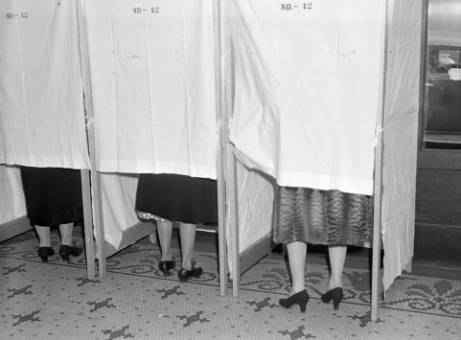
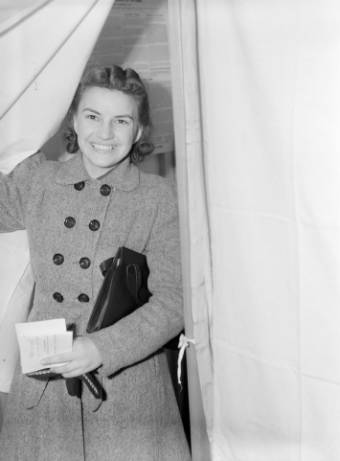
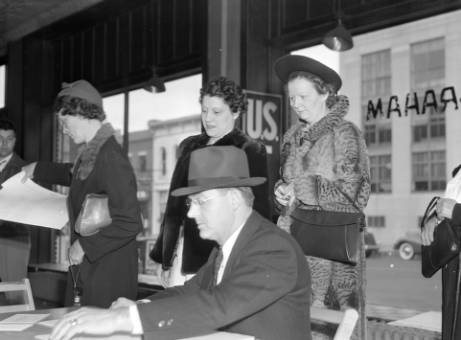
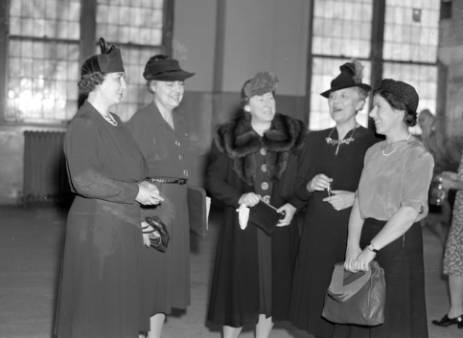
To commemorate 100 years of Votes for Women, here are some of our favorite images of women exercising their right from the McLean County Museum of History’s “Pantagraph Negative Collection“.
Women Voting, 1940. McLean County Museum of History. Pantagraph Negative Collection (1940-1945).
Women Voting, 1940. McLean County Museum of History. Pantagraph Negative Collection (1940-1945).
Women Voting, 1940. McLean County Museum of History. Pantagraph Negative Collection (1940-1945).
League of Women Voters, Pontiac IL, 1941. McLean County Museum of History. Pantagraph Negative Collection (1940-1945)
In March we made a post about Mary Salome Ott Brand, and her first time at the polls as documented by her son Orson Brand and collected by the Highland Park Public Library.
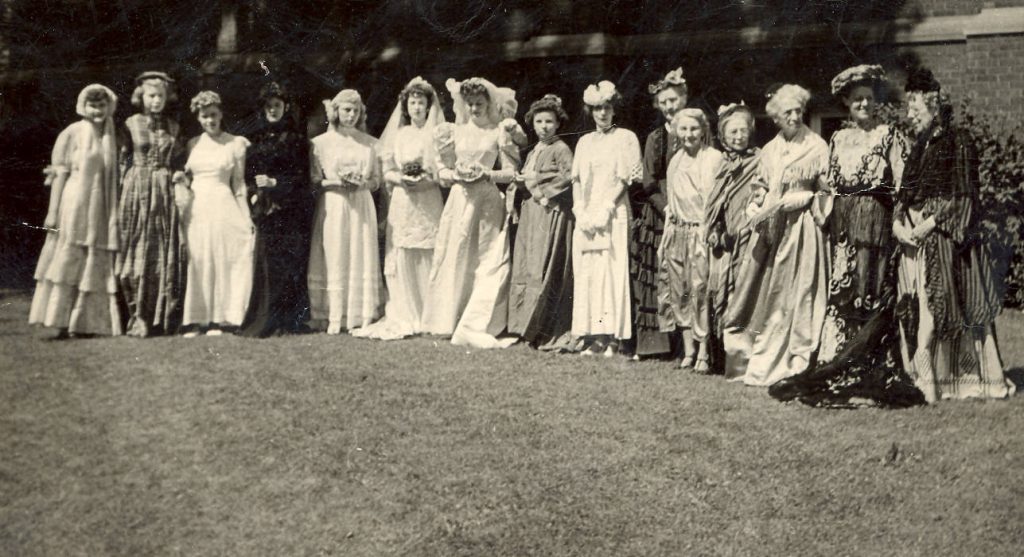
Women Modeling their Wedding Gowns, nd. Sterling Public Library. Sterling and Rock Falls Local History Collection.
My family tells this story about a wedding at a trapeze artist’s house. The bride, the artist herself, had a trapeze installed in her house- an old farmhouse that they connected to the barn after moving it across their property. It was so hot at the wedding that eyeglasses were slipping off of people’s faces- the groom– somebody in investment banking sweat through his clothes and spent the rest of the wedding visibly damp. The pond near their house was alive with snakes trying to both sun themselves and get cool.
It took time for me to actually understand what “wedding season” was- especially as it coincided with tourist season. The political economy of event planning was so foreign. Who doesn’t love weddings? Or even just photos of weddings, including the nostalgia and trends in them, group pictures, flowers, wedding cakes. What makes a good wedding? What makes a good wedding photo beyond the traditional framing or poses that seemingly every married couple gets arranged in on their wedding day? Below are some of my picks of wedding photos from our contributors at Sterling Public Library, Cherry Valley Public Library District, McLean County Museum of History, Bess Bower Dunn Museum of Lake County, and Ernest Hemingway Foundation of Oak Park in cooperation with the Oak Park Public Library.
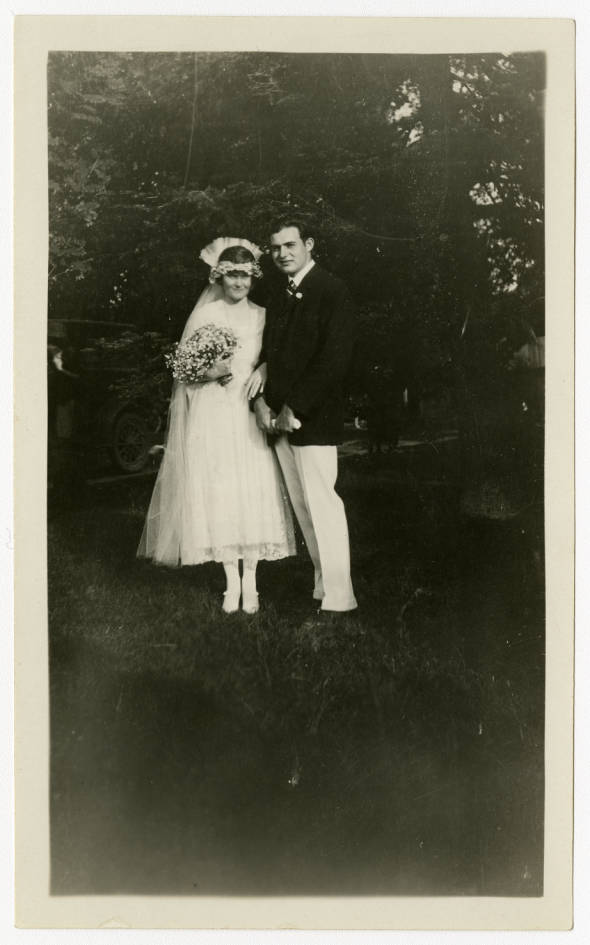
Hadley Richardson and Ernest Hemingway on their wedding day. 1921. Ernest Hemingway Foundation of Oak Park in cooperation with the Oak Park Public Library. The Early Years – Ernest and Marcelline Hemingway in Oak Park.
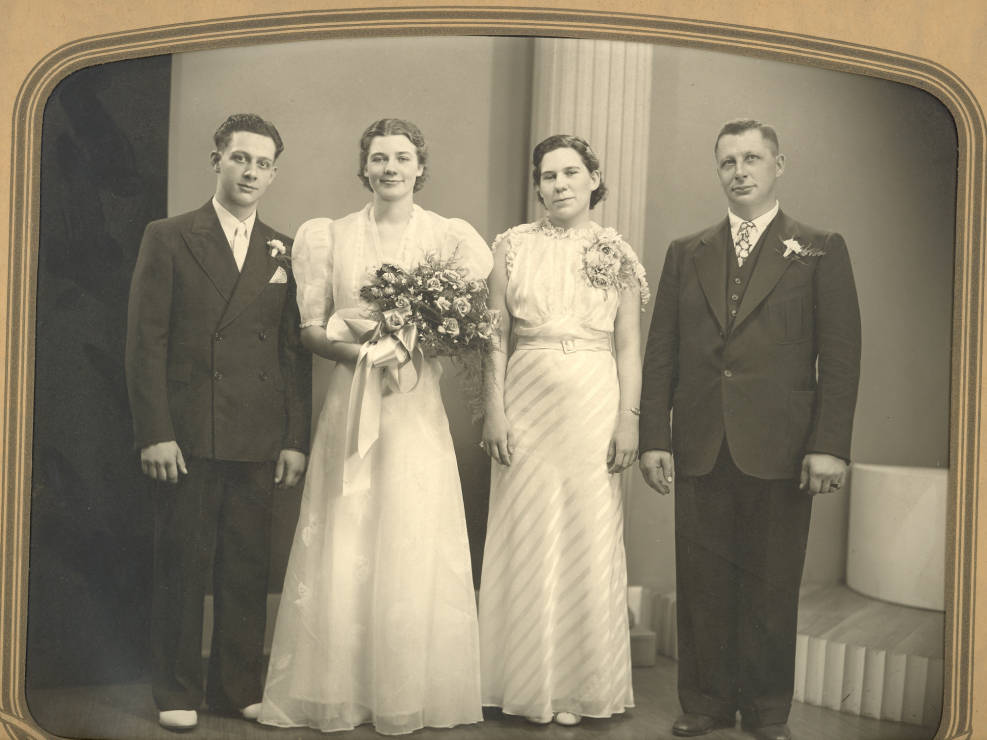
Struckman Family. 1937. Sterling Public Library. Sterling and Rock Falls Local History Collection.
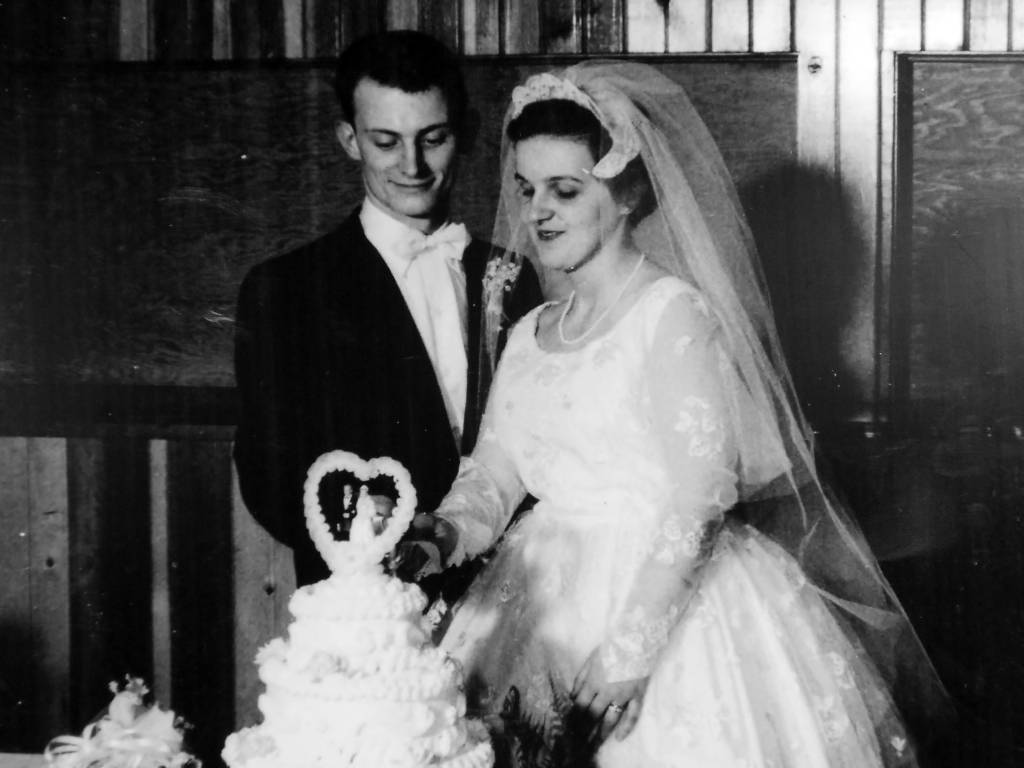
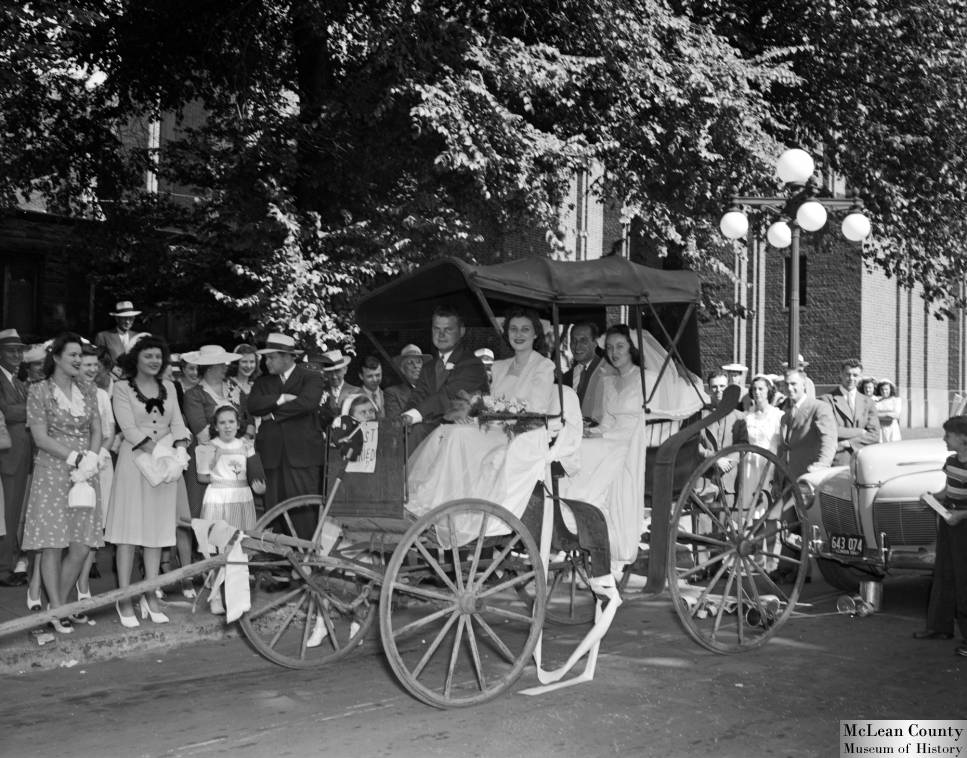
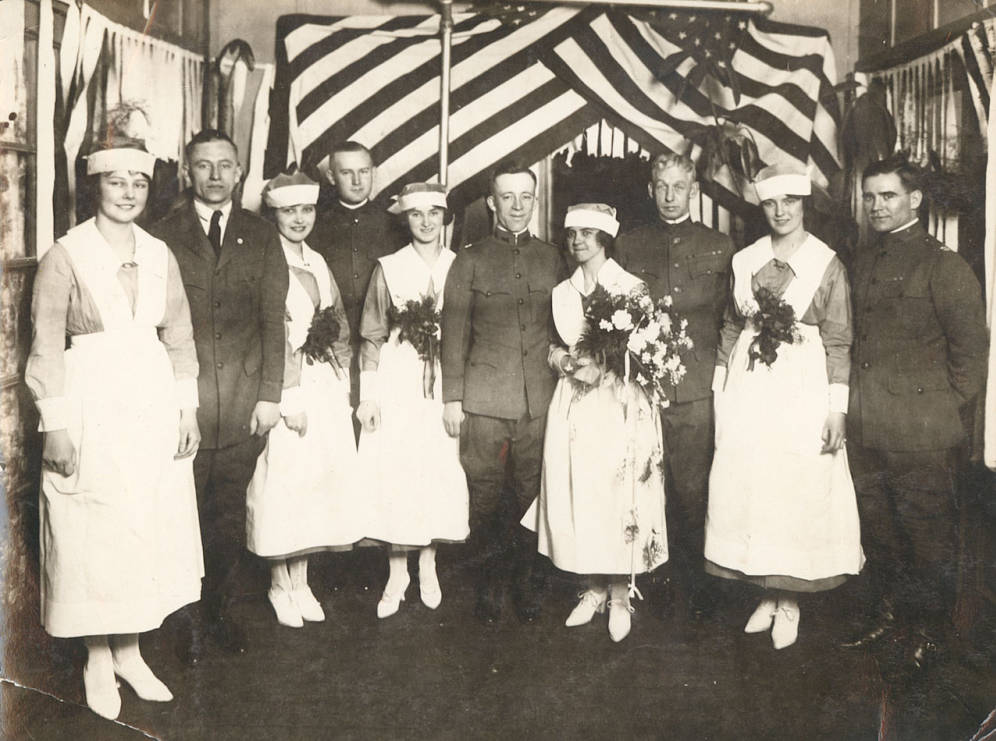
Yunek-Banks Wedding. 1956. Cherry Valley Public Library District. Cherry Valley Local History Collection.Benjamin Wedding. 1944. McLean County Museum of History. Pantagraph Negatives Collection, 1940-1945.Nurses and Soldiers, General Hospital No. 28, Fort Sheridan, Illinois, c. 1919. Bess Bower Dunn Museum of Lake County. Fort Sheridan.
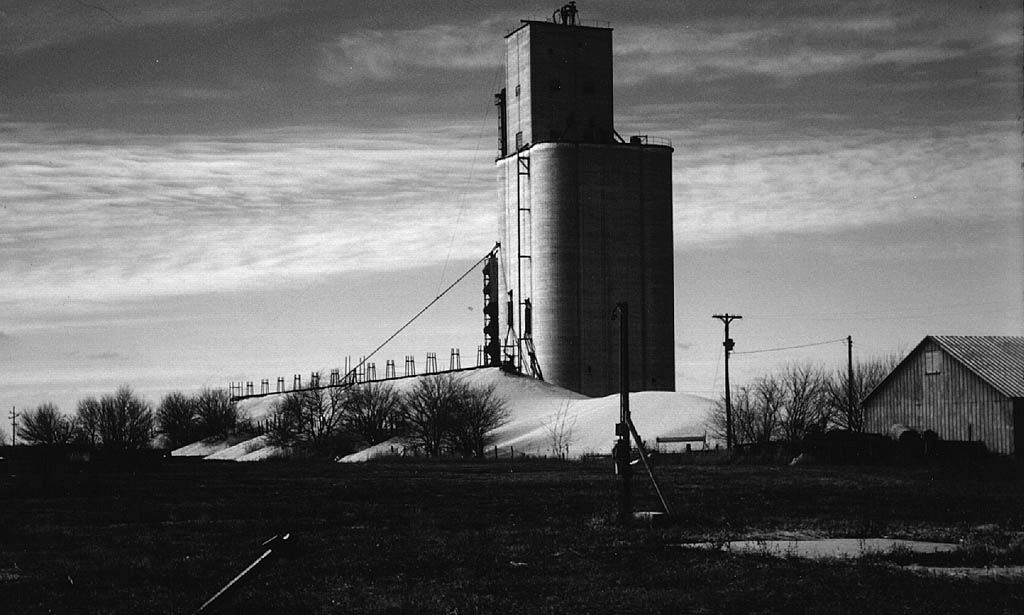
Corn in Illinois will not be ready for harvest for another month, but the opportunity to celebrate our corn heritage is too enticing. It’s a small contribution, and a little bit of a deviation from the theme but this image of excess corn stored outside of an elevator from McLean County Historical Society via the McLean County Museum of History is too good to not share.
Excess corn stored outside elevator. C. 1950. McLean County Historical Society via McLean County Museum of History. Teaching with Cultural Heritage.¹
A dune of corn kernel surrounds the concrete elevator as less than ideal but temporary storage. Advances in industrial agriculture in the 1950’s and 60’s occasionally created such an abundant harvest that the infrastructure for storing corn struggled to keep up.
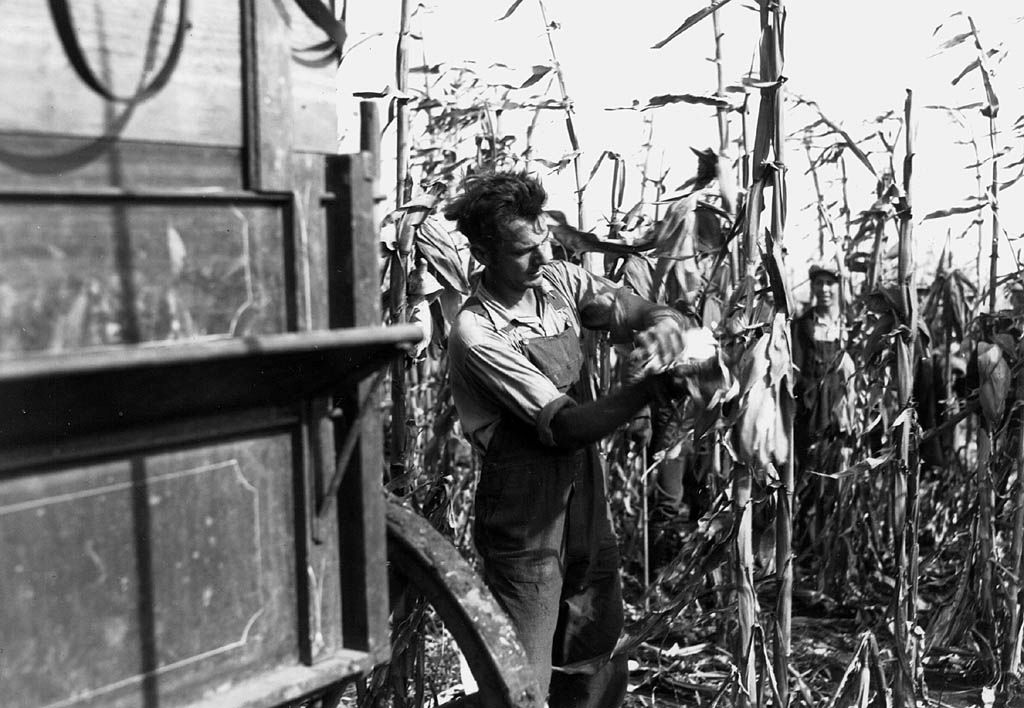
Husking Corn By Hand. C. 1910. McLean County Historical Society via McLean County Museum of History. Teaching with Cultural Heritage.¹
In the same way that communities in Illinois revolved around coal, corn also was a community-wide touchpoint that was generously documented by everyday people and journalists. For more on corn in Illinois visit the IDHH.
¹Editor’s Note, 09/2024: This collection no longer exists.
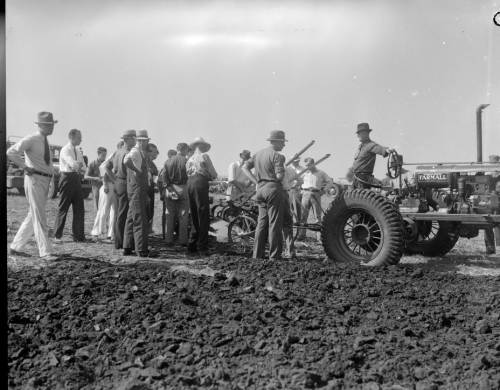
Alfalfa Show. 1937. McLean County Museum of History. Pantagraph Negative Collection (1930-1939). Photograph by Olin Piercy. Permission to display given by McLean County Museum of History.
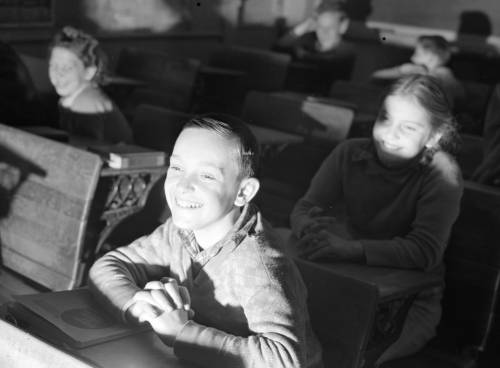
Now included in the IDHH are two collections from the McLean County Museum of History. The Pantagraph Negative Collection 1930-1939 and 1940-1945 include roughly 48,000 scanned negatives from the Pantagraph, a newspaper headquartered in Bloomington. The collections include scans of negatives created by photographer-reporters between 1932 and 1945. The Pantagraph’s origins date back to 1846 and was known for its coverage of regional agricultural concerns, local sports, and community social events in 10 counties surrounding McLean County.
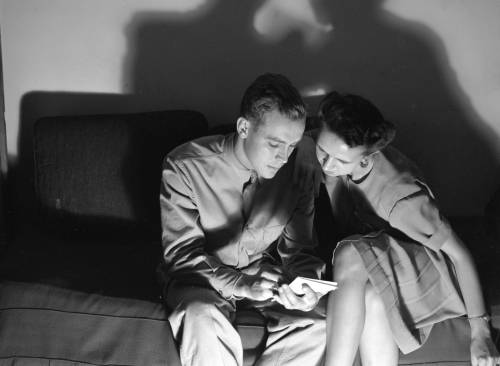
Family Circle (Pantagraph In House News). 1938. McLean County Museum of History. Pantagraph Negative Collection (1930-1939). Photograph by Charles A. Mercier. Permission to display given by McLean County Museum of History.
The collection, donated to Mclean County Museum of History by the Pantagraph, preserves vivid images of the early and mid 20th century, including the rise of industrial agriculture and the Great Depression in Central Illinois. Here’s a few of the gems from their collection:
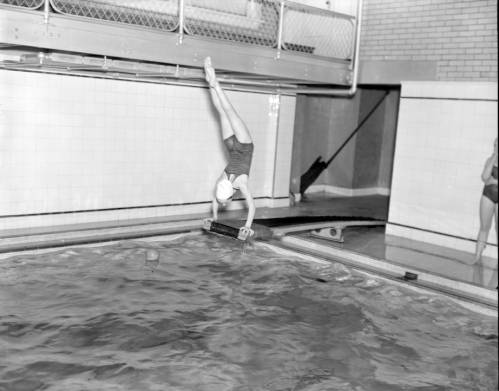
YWCA Swim Meet. 1938. McLean County Museum of History. Pantagraph Negative Collection (1930-1939). Photograph by John S. Bowman. Permission to display given by McLean County Museum of History.
Cornhusking Contests. 1938. McLean County Museum of History. Pantagraph Negative Collection (1930-1939). Photograph by Frank Bill. Permission to display given by McLean County Museum of History.
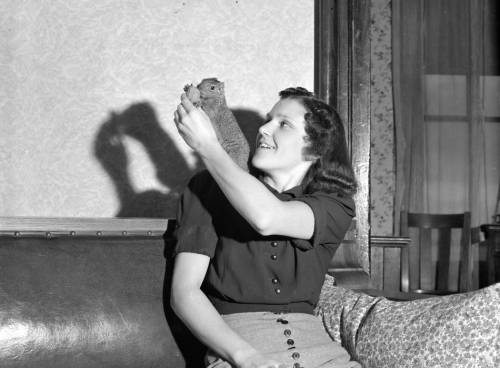
Danvers, IL pet squirrel. 1940. McLean County Museum of History. Pantagraph Negative Collection (1940-1945). Photograph by Harlan Stranger. Permission to display given by McLean County Museum of History.
Along the Road, Chenoa. 1941. McLean County Museum of History. Pantagraph Negative Collection (1940-1945). Photograph by Glenn Steeleye. Permission to display given by McLean County Museum of History.
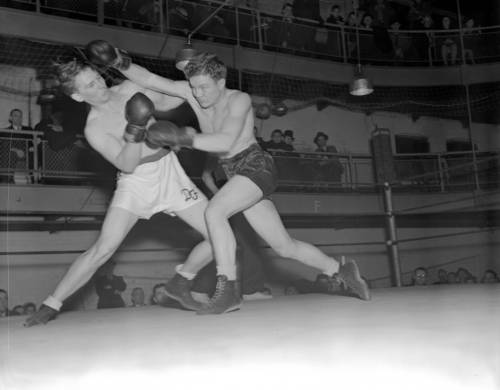
Boxing, Moline vs. Bloomington, Illinois. 1938. McLean County Museum of History. Pantagraph Negative Collection (1930-1939). Photograph by Percy Olin. Permission to display given by McLean County Museum of History.
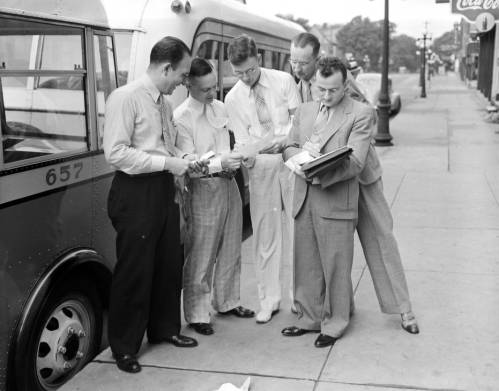
Fifth Columnists. 1942. McLean County Museum of History. Pantagraph Negative Collection (1940-1945). Photograph by Ralph O. Baird Jr. Permission to display given by McLean County Museum of History.