The IDHH has continued to grow, with new collections added each quarterly harvest!
In celebration of Earth Day, this month we’re featuring a new collection of watercolor illustrations: the Illustrations for The Fishes of Illinois, from the University of Illinois Urbana-Champaign Library. The Fishes of Illinois (first edition 1908, second edition 1919) was the culmination of decades of work led by naturalist Stephen A. Forbes, chief of the Illinois State Laboratory of Natural History (now the Illinois Natural History Survey). Co-authored with ichthyologist Robert Earl Richardson, Forbes intended to create a reliable guide for the fish species present in Illinois, including color illustrations alongside descriptions of each species’ anatomy and appearance, habitat and distribution through Illinois, and lifecycle and taxonomy as known at the time. In the introduction, Forbes attributes the gorgeous illustrations to Lydia M. (Hart) Greene and Charlotte M. Pinkerton, whose signatures can be seen on some of the illustrations in the digital collection.
Here are a few of our favorite items from this new collection:
Etheostoma coeruleum. [n. d.] Created by Charlotte M. Pinkerton. University of Illinois Urbana-Champaign Library. Illustrations for The Fishes of Illinois. Courtesy of the University of Illinois Urbana-Champaign Library.Charlotte M. Pinkerton’s Notropis whipplii. Created by Charlotte M. Pinkerton. 1903. University of Illinois Urbana-Champaign Library. Illustrations for The Fishes of Illinois. Courtesy of the University of Illinois Urbana-Champaign Library.
Ameiurus nebulosus. [n. d.] University of Illinois Urbana-Champaign Library. Illustrations for The Fishes of Illinois. Courtesy of the University of Illinois Urbana-Champaign Library.Lydia M. Hart’s Ictiobus bubalus. Created by Lydia M. (Hart) Green. [n. d.] University of Illinois Urbana-Champaign Library. Illustrations for The Fishes of Illinois. Courtesy of the University of Illinois Urbana-Champaign Library.Lampetra wilderi. [n. d.] Created by Charlotte M. Pinkerton. University of Illinois Urbana-Champaign Library. Illustrations for The Fishes of Illinois. Courtesy of the University of Illinois Urbana-Champaign Library.
On January 28, 1969, an underwater oil well drilled off the coast of Santa Barbara, California suffered a blowout six miles from the coastline. Oil seeped out of the ocean floor bedrock at a rapid rate, creating an oil slick that would extend across dozens of square miles. The largest oil spill in American waters at the time, an estimated 3 million gallons of crude oil spilled into the Santa Barbara Channel over the course of the next month. The impact on the local marine environment was extreme as thousands of sea birds and marine animals were killed, and the clean-up efforts took months to address the damage of the spill. The enormity of this environmental disaster, and the increased awareness among Americans in the 60’s of environmental concerns generally, would prompt President Nixon to sign the National Environmental Policy Act in 1969 and inspire the creation of an annual Earth Day.
Held on April 22, 1970, the first Earth Day was conceived as an “environmental teach-in” that would educate citizens about the importance of environmental conservation. The product of collaboration between Wisconsin senator Gaylord Nelsen and activist Denis Hayes, the day eventually abandoned the “teach-in” model and saw numerous demonstrations and protests across the United States as more than 20 million people organized in city streets, which is still the largest organized demonstration in American history today. Over fifty years later, Earth Day is an annual reminder on April 22 to support efforts protecting our ever-changing environment and to contribute to a more sustainable world.
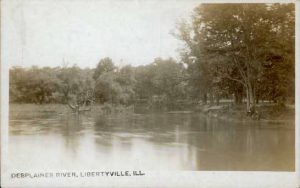
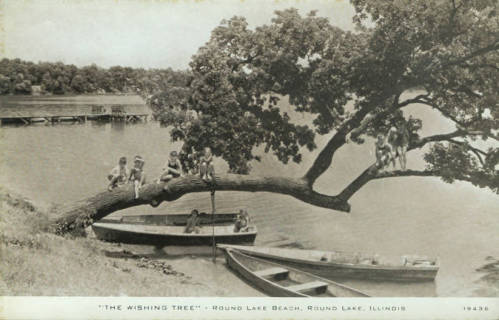
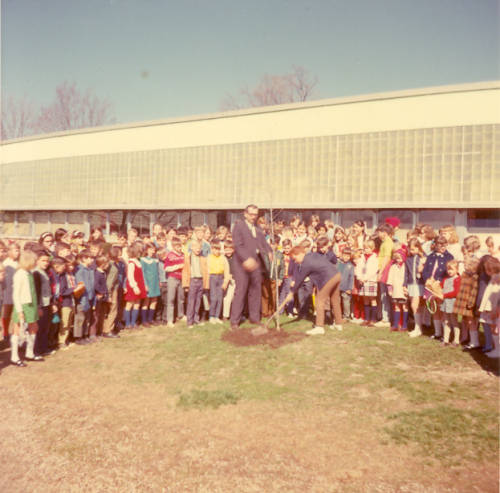
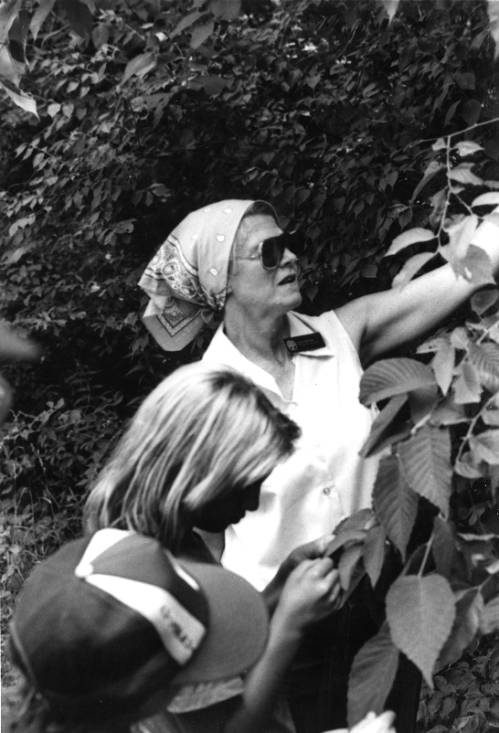
Below are a few of our favorite items featuring early Earth Day celebrations in Illinois as well as the beautiful nature of Illinois:
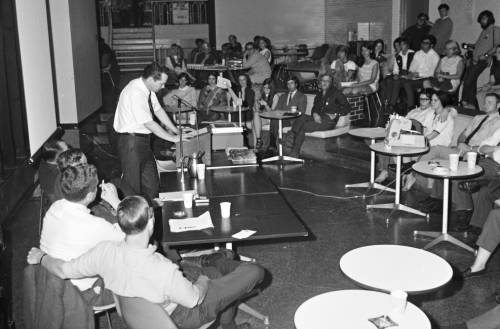
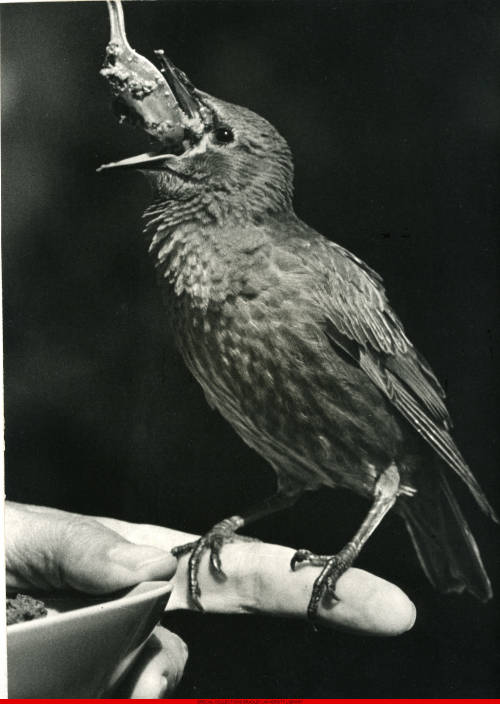
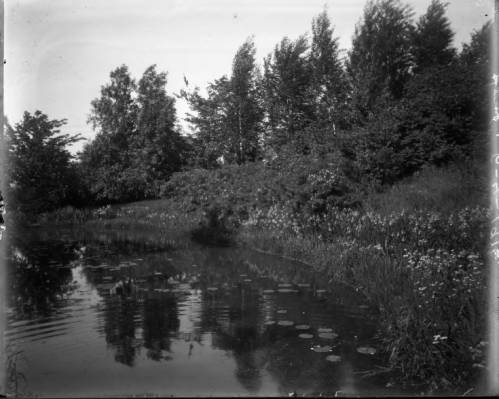
Student Life, Protests and activism. April 21, 1970. Illinois Wesleyan University. IWU Historical Collections. Courtesy of Archives and Special Collections, Ames Library at Illinois Wesleyan University.Des Plaines River, Libertyville, Ill. n.d. Cook Memorial Public Library District. Libertyville History. Courtesy of the Libertyville-Mundelein Historical Society.The Wishing Tree – Round Lake Beach, Round Lake, Illinois. 1933. Bess Bower Dunn Museum of Lake County. Lake County History in Postcards. Courtesy of the Lake County Forest Preserves, Bess Bower Dunn Museum of Lake County. Lincoln School, Sterling, Illinois. 1970. Sterling Public Library. Sterling and Rock Falls Local History Collection. Courtesy of the Sterling Public Library.Analyzing Nature. circa 1981. University of St. Francis. Sharing Our Past, A Visual History. Courtesy of the University of St. Francis.Spoon feeding bird. n.d. Photographed by George Day. Bradley University. The Jack Bradley Photojournalism Collection. George Day of the Peoria Journal Star and Jack L. Bradley Photojournalism Collection, Virginius H. Chase Special Collections Center, Bradley University, Peoria, IL. Pond, flowers, trees. 1916. Photographed by John H. Hauberg. Augustana College. From MSS 27 John Henry Hauberg papers, Special Collections, Augustana College, Rock Island, Illinois.
Want to see more?
Visit the IDHH to view even more items related to the environmental observances of Earth Day and Arbor Day.