Honoring Labor: Remembering the Pullman Strike and Boycott

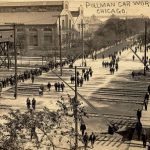
2019 marks the 125th anniversary of the Pullman Strike and Boycott, a momentous event in the history of organized labor in Illinois and the U.S., taking place throughout the late Spring and Summer of 1894. In commemoration of the Pullman Strike, the IDHH  examines its place in the history of labor and workers’ rights movements in Illinois and U.S. Collections provided by the Pullman State Historical Site provide particular insight into the event and its cultural and historical milieu. The scholarship of and input from Pullman State Historical Site Services Specialist, Martin Tuohy, was indispensable in developing this post.
The Pullman Strike and Boycott began as a walkout of the Pullman Palace Car Company by shop workers in May 1894. By July, it included 150,000 railroad workers over 20 railroads across 27 states. Pullman workers and allies across the country protested both the particulars of the Pullman workers’ grievances, such as layoffs and deep wage cuts while the Pullman company town maintained its rent rates, as well as the power of capital over workers that the grievances represented. The strike and boycott was part of wider developments in Workers’ Rights organization and came in the wake of several other significant demonstrations in the late 19th century along with the often oppressive responses to grassroots organization by companies and industry leaders. Company founder, George Pullman, played a significant role in exacerbating tensions between workers for obstinately emphasizing the company’s right to rent profits over most workers’ grievances.
Beyond Pullman and throughout the late 19th Century U.S., increased mechanization during the Second Industrial Revolution played a role in depressing wages and an ever increasing division of labor often alienated workers from their work and the products they produced. Moreover, while westward expansion in the late 1860s and early 1870s brought with it an increase in industry and investments, especially those related to railroads, the 1870s and 1880s were marked by significant economic declines. When times were difficult, workers were often hardest hit, facing frequent layoffs and wage cuts between the early 1870s and mid 1890s. In response, workers increasingly organized and acted by facilitating collective bargaining, and striking and boycotting when necessary. Strikes by miners and other factory workers throughout the 1880s and 90s, including the Haymarket Affair, set important precedents for the Pullman Strike. Oppressive responses by capital against unions, activists, and union leaders often left workers feeling, at best, under-represented and, at worst, at the whims of their employer.
The Pullman Strike and Boycott had some key differences from earlier actions, however; instead of organizing via craft unions, the Pullman Workers had the support of the fledgling but formidable American Railway Union (ARU), which included members across a range of professions and company leadership roles. Workers from the Midwest to Washington State struck and boycotted trains with cars built by the Pullman Company. It became the largest and one of the longest work stoppages up to that time in U.S. history and effectively shut down railway travel from the Midwest to the Pacific Northwest. The strike was ultimately broken by a combination of the limited resources of workers after going months without pay, injunctions by federal courts, military force, and the imprisonment of union leaders and activists, including ARU president, Eugene V. Debs. Its leaders indicted or imprisoned and hundreds of its members blacklisted from future employment, the ARU collapsed.
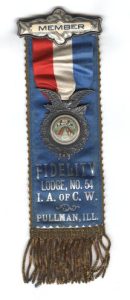
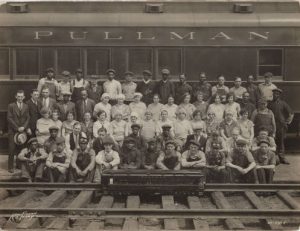
The Pullman Strike precipitated the role of the state as an arbitrator between workers and railroad companies with the passing of the Erdman Act in 1898. This was the first in a series of Congressional acts aimed at regulating and reforming railway labor which laid the foundation for national labor laws enacted in the 1930s. The strike and its aftermath also raised important questions about the proper role of law enforcement, the military, and the state in cases of mass demonstrations within and beyond the realm of workers’ rights and industrial interests. At the local level, the Illinois Supreme Court forced the Pullman Company was forced to sell its residential property and many workers were able to purchase their long-rented abodes. The original town of Pullman is now a National Monument and Illinois State Historic District.
For further reading, refer to Martin Tuohy’s articles on the “Pullman Strike and Boycott” and “George Pullman” in Encyclopedia of U.S. Labor and Working-Class History (2007). All of the IDHH items related to the Pullman Strike can be found here. Explore material related to George Pullman, including correspondence and portraits.
World Cat Day

Happy World Cat Day! Also called International Cat Day, the holiday was first established by the International Fund for Animal Welfare in 2002. However, national holidays celebrating our feline friends have observed in countries around the world for decades. To celebrate, the IDHH spotlights items from Illinois State University’s collections.
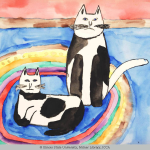
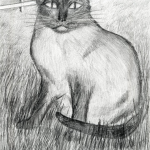
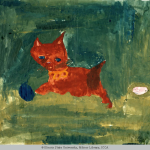
First, behold the artwork of talented youngsters who loved their cats enough to immortalize them in pencil and watercolors. The paintings below are from the International Collection of Child Art and were created by children ages 8 through 13 from Colombia, Wales, and the U.S. The children’s attention to detail show how dear their furry friends were.

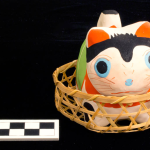
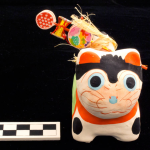
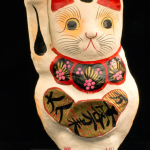
Next, here are toys from Japan featured from the Ethnology Teaching Collection, including a papier-mâché cat in a basket and the famous good luck charm of the waving cat, or ‘Maneki-Neko’. These figurines were placed in shop windows, inviting customers in and waving good-bye on their way out.

See all items in the IDHH related to cats.
Summer Fun in Chicago Parks

It’s the middle of summer and with the warm weather and school vacations, it’s peak season for outdoor activities. This time of the year, kids in Chicago take advantage of the city’s more than 500 parks, over 90 of which are featured in the Chicago Public Library’s Chicago Park District Records Photographs collection.
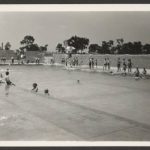
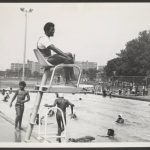
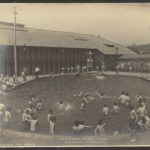
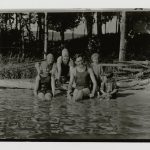
What better way to keep cool during the summer heat than at the pool? Chicago’s parks boast more than 70 pools across the city, just three of which are pictured below. As these photos suggest, pools have been an integral part of outdoor summertime activities in Chicago at least since the turn of the twentieth century.

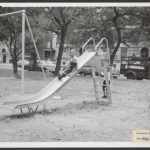
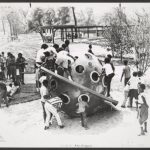
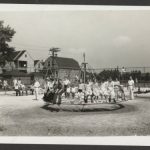
On cooler days or when kids would prefer to stay dry, there are the Chicago Park District’s more than 300 playgrounds around the city. Beyond the slides, swings, merry-go-rounds, and more unusual features, the playground has long been a central place for after-school and summertime activities.

For more summer fun, search for related items from all IDHH collections. Or maybe visit your local park!

Celebrating Illinois Writers

July 21 marks the 120th birthday of Illinois-born, internationally-acclaimed author, Ernest Hemingway (1899-1961). To celebrate, the IDHH highlights collections that include materials on several Illinois literary giants, including Gwendolyn Brooks, Carl Sandburg, and Hemingway himself.
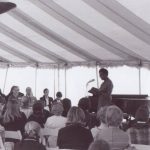
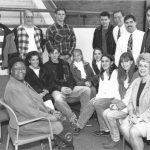
Gwendolyn Brooks (1917-2000) is one of the most celebrated U.S. poets, poet laureate of Illinois, and longtime Chicago resident. In 1949, She became the first African American writer to win a Pulitzer Prize. Brooks has a deep connection to African American history and culture, public life, and academics in Illinois. Throughout her life, Brooks spoke at libraries and campuses throughout the state, as demonstrated below in the photographs from the Lake Forest Academy and Ferry Hall Archives collection and Elgin Community College’s campus history collection. Gwendolyn Brooks came to Ferry Hall in 1969 and Lake Forest Academy in May of 1994 to speak to classes and give a reading of her poems. She visited Elgin Community College in 1995 to speak to high school and college English students. Brooks has perhaps the strongest connection to Illinois Wesleyan University, visiting the campus five times from 1972-1999, receiving an honorary doctorate there in 1973. See materials from her visits to Wesleyan. See all of material in the IDHH on Brooks.

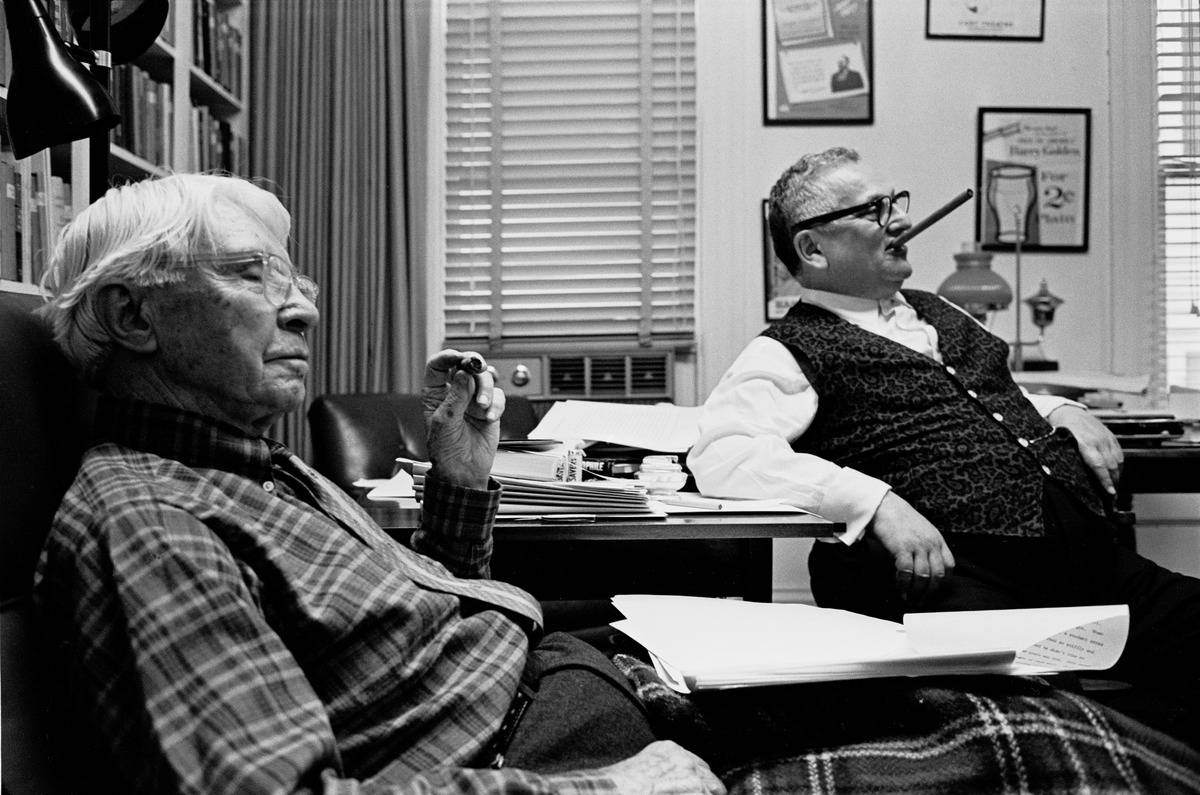
Coincidentally, July also marks the death of another of the most celebrated writers in the state and the U.S., Carl Sandburg (1878-1967). Though best known for his poetry, especially his breathtaking naturalist and modernist pieces on urban life in Chicago, he was also a musician, editor, and prose author. One of his three Pulitzers was awarded for a biography on Lincoln. Sandburg was an advocate for civil rights and received an award from the NAACP in 1965. In the photo below from the Chicago History Museum’s Prints and Photographs Collection, Sandburg sits with his biographer, Harry Golden. Sandburg lived most of his life outside of Illinois but occasionally returned to his home state, including a visit to Knox College in 1958. Search all of the materials in the IDHH relating to Sandburg.

Writers Carl Sandburg (left) and Harry Golden sit in Golden's office following the publication of his biography of the poet titled Carl Sandburg
Haun, Declan, 1937-1994 (photographer). Carl Sandburg and Harry Golden in Golden’s office. 1961. Chicago History Museum. Prints and Photographs Collection. Permission to display was given by Chicago History Museum.

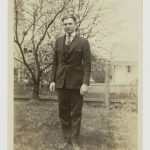
Finally, the remarkable photographs below from the Ernest Hemingway Foundation, digitized by the Oak Park Library collection in the Illinois Digital Archive, showcase the early life of the author and his family in his hometown, a suburb of Chicago. Hemingway authored more than a dozen novels and short story collections throughout his life, receiving a Pulitzer for The Old Man and the Sea in 1953 and the Nobel Prize in Literature in 1954.  He is pictured below with his siblings, two of whom, Marcelline and Leicester, also became talented writers. Check out all of the IDHH materials on Hemingway.

A Beach in Illinois

The IDHH rings in the season of Summer featuring a remarkable Illinois outdoor attraction, courtesy of the Bess Bower Dunn Museum of Lake County.
Being a landlocked state, Illinois is not known for seaside attractions. Illinois is, however, home to one of the largest bodies of water in North America, Lake Michigan, along which sits the Illinois Beach State Park and the Illinois Beach and North Dunes Nature Preserves. Pictured below are images provided courtesy of the Dunn Museum’s Lake County History in Postcards. The location is just an hour’s drive north of Chicago.


Happy Father’s Day

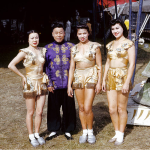
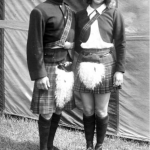
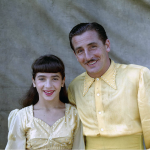
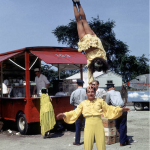
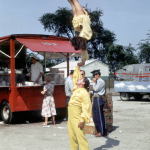
The IDHH celebrates Father’s Day by highlighting families of performers from Illinois State University’s Passion for Circus collection. Captured by photographer, Sverre “Bex” Braathen, the photographs are from a collection of nearly 10,000 that includes thousands of black and white photographs from the 1930s and thousands more color photos from the 1940s and 1950s from circuses all around the United States.
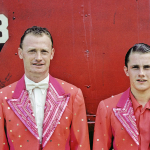
Below is a selection of several father-daughter and father-son acts, Alfred, Sr. and Alfred, Jr. Burton from the Ringling Barnum Circus, the Naitto family, Ala and his daughters, Nio and Margie, also of Ringling, and Ernest and Ernestine Clarke of the Tom Mix Circus. The Burtons performed balancing acts on high pedestals. The Naittos were high wire and tightrope performers. The Clarkes performed floor routines. Ernest was famous as a somersaulting leaper in his own Clarkonian Flying act of the Ringling Brothers circus.

Finally, several images capture Astrid and Ernst “Franklin” Schlichting of the Ringling Barnum Circus. Astrid, thirteen years old, performs hand balancing routines with her father, acts that require tremendous strength and concentration.

For more Father’s Day-themed items, take a look at all items among Illinois State University’s collections, including from the International Collection of Children’s Art.

Memorial Day

Memorial Day is a day to remember the U.S. military personnel who have died in the line of duty and also a time to reflect on the soldiers and civilians whose lives were forever changed by U.S.-involved conflicts around the world. With a mind toward examining U.S. military history while wishing for world peace and a peaceful memorial day for veterans, military personnel, and people everywhere, the IDHH highlights collections from across Illinois that evince this history, remember veterans, and memorialize soldiers and civilians touched by war.

The state and its residents have a long history of involvement in most of the U.S.’s major conflicts, from the Civil War to present day. The IDHH’s numerous military history collections are particularly focused on the Civil War, World War I, and World War II, including the materials highlighted here. While there are dozens of institutions contributing invaluable content, the focus is on museums, following up last week’s post on International Museum Day:  Veterans Memorial Hall and Museum and the Midway Village and Museum Center and the Bess Bower Dunn Museum of Lake County.

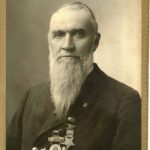
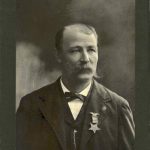
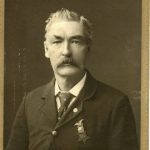
Veterans Memorial Hall and Museum’s collection includes photographic portraits of more than 70 Civil War veterans from the Rockford Area. The collection was previously curated and digitized by the Midway Village and Museum Center. The men in the photographs below represent just three of a small but nonetheless indispensable number of the more than 8,000 Illinoisans who served in the Civil War. Photographs were taken years to decades after the conflict, archived in 1968, and digitized only within the last few years, indicating a long remembrance of the Civil War and its impact on Illinois and its people.

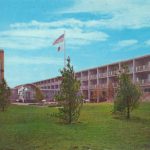
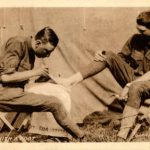
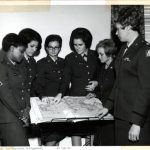
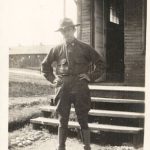
The Bess Bower Dunn Museum features photographs, artifacts, and postcards pertaining to life at what was once a major U.S. Army post in the Fort Sheridan collection. The collection includes photographs of men and women posted at Fort Sheridan from the Spanish American War through the Vietnam War era. In addition to providing a record of everything from the most mundane to the most unusual aspects of life at Fort Sheridan, the collection is especially focused on the Women’s Army Corp (WAC) of Fort Sheridan from its beginnings during World War II until the integration of men and women units in the late 1970s.

There are many other collections in the IDHH that commemorate veterans and evince the state’s military history, including the Pritzker Military Museum and Library’s  Music of the First World War. There are also several collections provided by the Illinois State Library, including the Veterans History Project and the World War II Posters collections, and the Abraham Lincoln Presidential Library and Museum’s Boys in Blue collection of photographs Civil War soldiers. There are several collections documenting the service of residents of particular towns and regions in Illinois, such as the Coal City Public Library District’s World War II – From Homefront to Warfront collection, the Arlington Heights Memorial Library and Arlington Heights Historical Society’s Military History Collection, the Mel Tierney Post Servicemen File collection from the Park Ridge Public Library, digitized issues of the Melrose Park local newspaper, The Herald, from World War II provided by the Melrose Park Public Library, and Illinois State University Archive’s A University Goes to War,¹ documenting women from the university’s involvement in World War I. For a complete list of collections provided by Illinois Digital Archive (IDA) contributing institutions, most of which are also in the DPLA, see IDA’s Military History page.

¹Editor’s Note, 09/2024: This subcollection no longer exists.

Spotlight on Illinois Museums

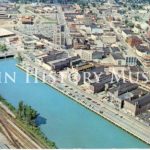
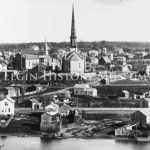
May 18 is International Museum Day and to celebrate, the IDHH highlights collections from museums across the state of Illinois. Currently, nine museums contribute their materials to the IDHH. Today’s post will take a look at two of these institutions which we have not recently highlighted, the Elgin History Museum and the Illinois State Museum. Several other museums will likely be featured in a forthcoming Memorial Day post.

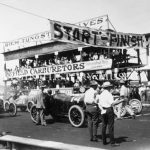
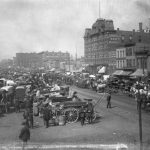
The Elgin History Museum opened in the mid-1980s, though its founders, the Elgin Historical Society, had been collaborating to remember and preserve Elgin area history since 1961. The museum houses a number of exhibitions, featuring artifacts pertaining to the Elgin Road Race, the Elgin National Watch Company, and the manufacturing industry’s role in the the city. The museum also houses the Gylleck Photo Collection, documenting more than a hundred years of history from 1847-1960, featuring cityscapes, views of buildings, and many facets of life in Elgin, such as sports, industry, schools, and homes.

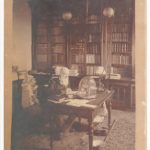
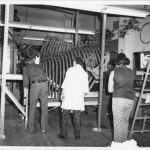
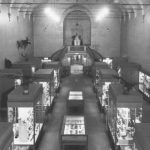
The Illinois State Museum is one of the oldest institutions in the state, bringing together collections and providing exhibitions of artifacts from across Illinois. Items from the Story of the Illinois State Museum collection are featured below, including photographs of founders and and museum staff who helped shape the institution in its early days, to some of its most notable exhibits, to views of the museum’s exterior and interior throughout the years. The Illinois State Museum also publishes a quarterly, The Living Museum, some issues of which are are available in the IDHH.

Check out the collections of some of the other museums that contribute to the Illinois Digital Heritage Hub, including the Henderson County Historical Society Museum of Raritan, Illinois, the the Illinois State Fair Museum, and, of course, the Chicago History Museum, whose collections we have featured in several recent posts.

International Workers’ Day: Honoring Labor

May 1 marks International Workers’ Day and the first week of May a significant time period in the history of labor and labor organization. May 4 is the 133rd anniversary of the Haymarket Affair in Chicago, an event in city and state history that resounded around the world and it, along with the events leading up to the Affair, are widely cited as the inspiration for International Workers’ Day. The IDHH highlights items from the Chicago History Museum relevant to the Haymarket Affair, workers’ rights, and labor organization across the state of Illinois.
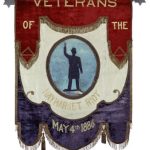
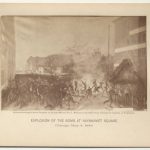
The Chicago History Museum’s Prints and Photographs Collection includes prints and photographs that picture Haymarket Square, the location of a workers’ rally held as part of efforts to instate the eight-hour work day as a national standard and in response to the killing of several protestors on the previous day by police. The rally was initially peaceful but ended in the explosion of a homemade bomb, seen rendered in the print below by the artist, Paul J. Morand, that killed seven police officers. Police veterans of the Haymarket Affair were honored by their department and by local and municipal leaders, as evinced by the banner in an 1895 parade. Organizers, including those killed by police in the aftermath of the bomb and those wrongly accused in the fury of investigations and trials following the bombing were commemorated mainly by labor organizations.

Check out more items that relate to the Haymarket Affair, and workers’ rights and labor in Illinois. There are also many collections with items pertaining to labor, such as the Pullman State Historic Site’s Southeast Chicago Historical Society collection. To learn more about the Haymarket Affair, check out this article from the Encyclopedia of Chicago. For a timeline of events, search strategies, and a sampling of newspaper articles contemporaneous to the Haymarket Affair, see the Library of Congress webpage on the event.

National Guitar Month

April is National Guitar Month and to celebrate, the IDHH spotlights items from two collections from the University of Illinois Urbana-Champaign Library: the Sousa Archives Music Instrument Digital Image and 3D Model Collection and the John Starr Stewart Ex Libris Collection.
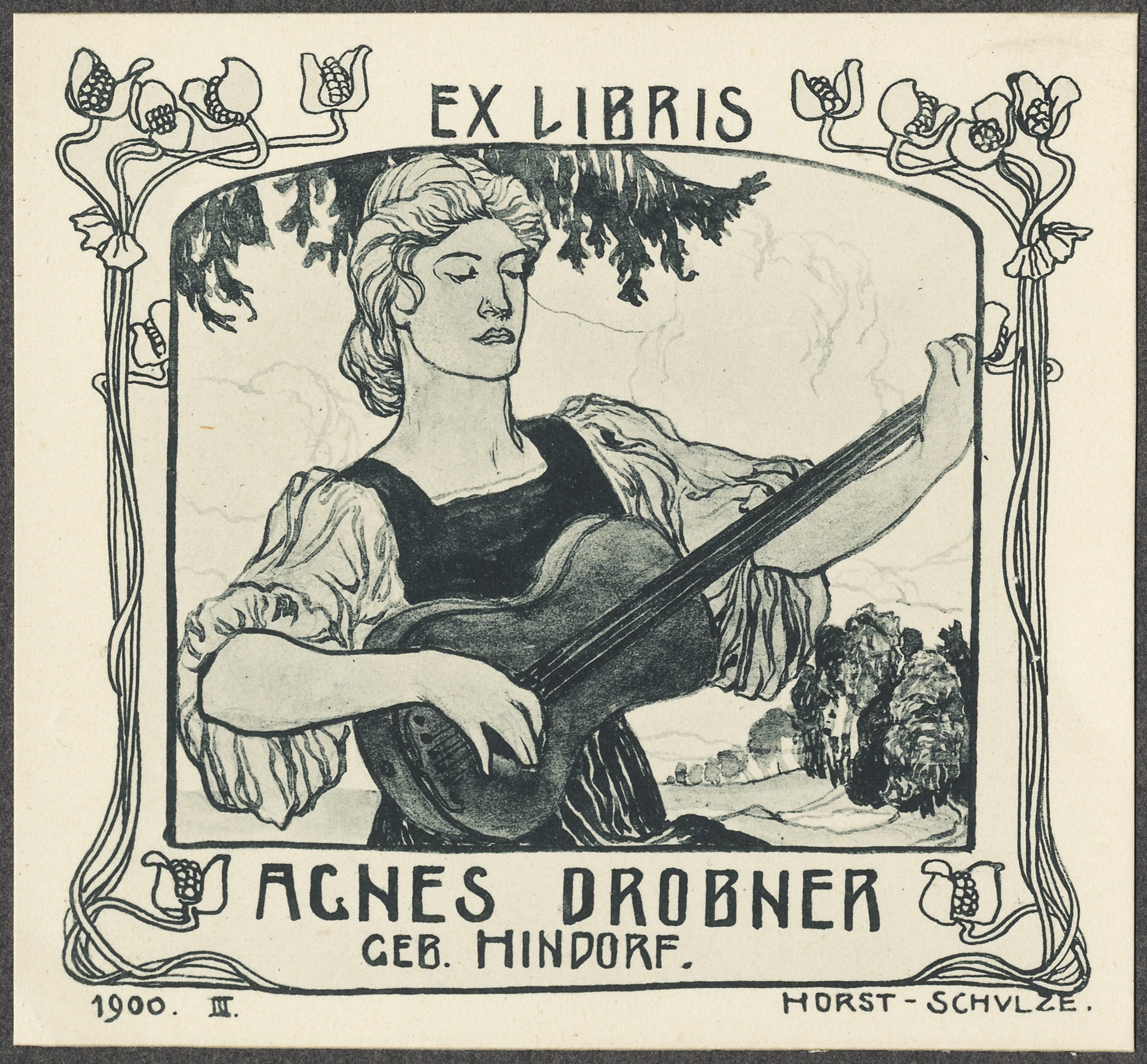
The John Starr Stewart Collection comprises more than 1500 book plates, book stamps, and spine labels from the late 19th century and earlier. Among these is a stamp from Leipsig, Germany that features a guitarist identified as Agnes Drobner.

black ink bookplate featuring a woman playing guitar with a flowered border.
Horst-Schulze. Drobner, Agnes. 1900. UIUC Library. John Starr Stewart Ex Libris Collection. Permission to display was given by UIUC Library.

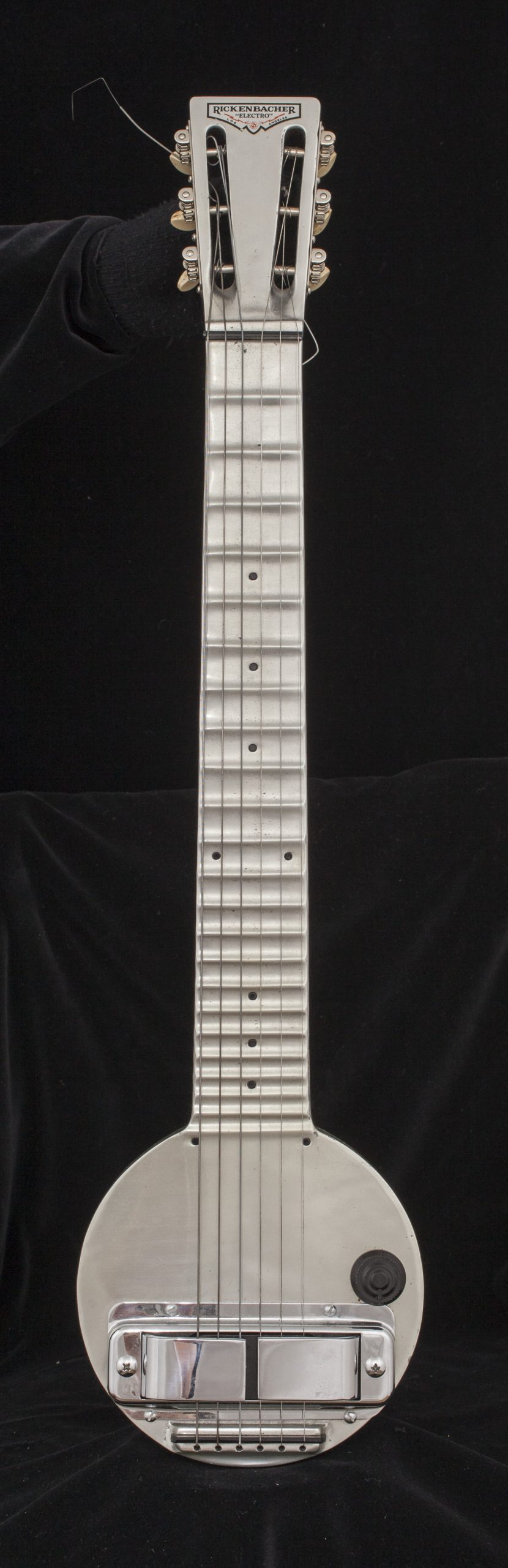
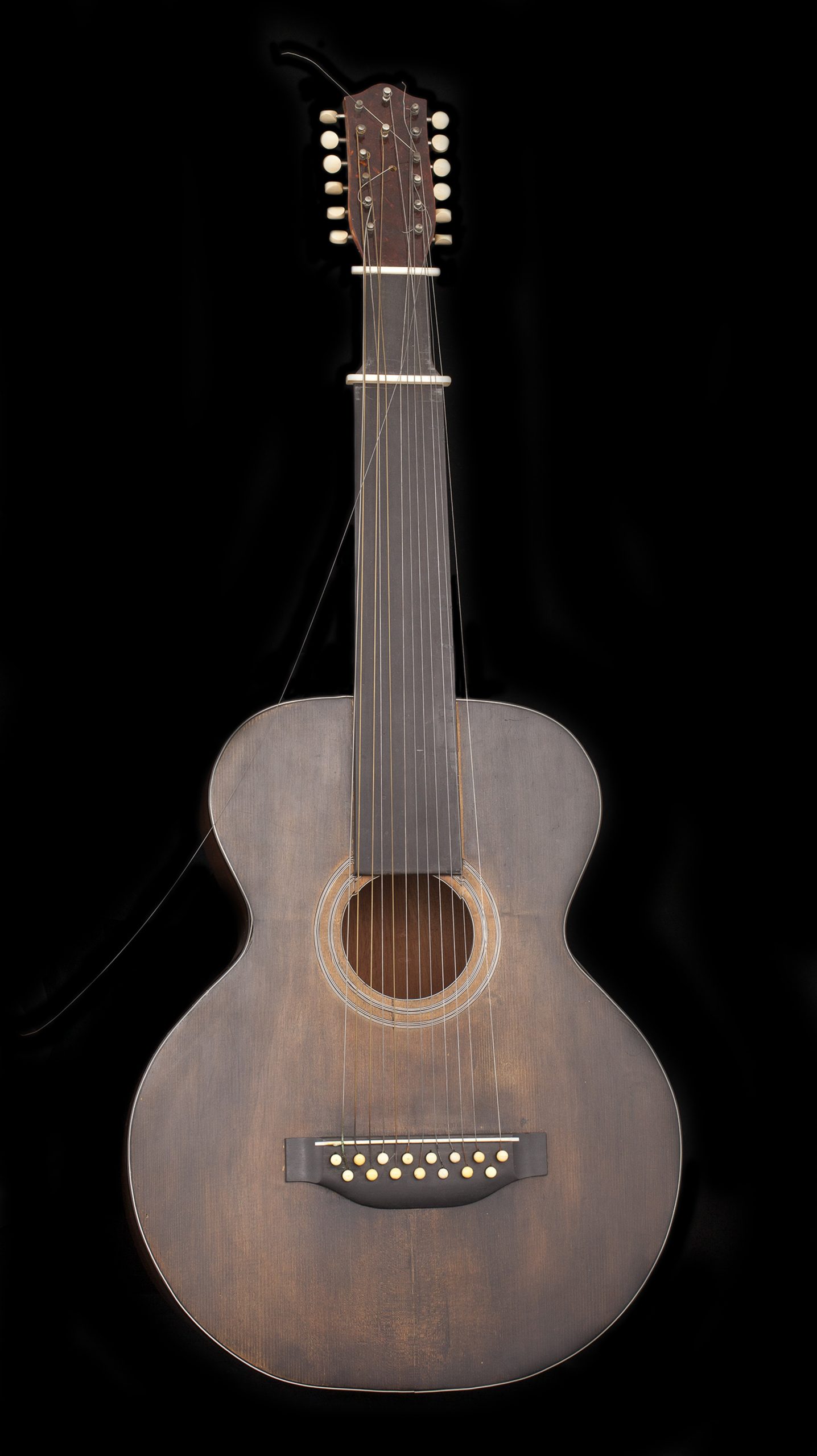
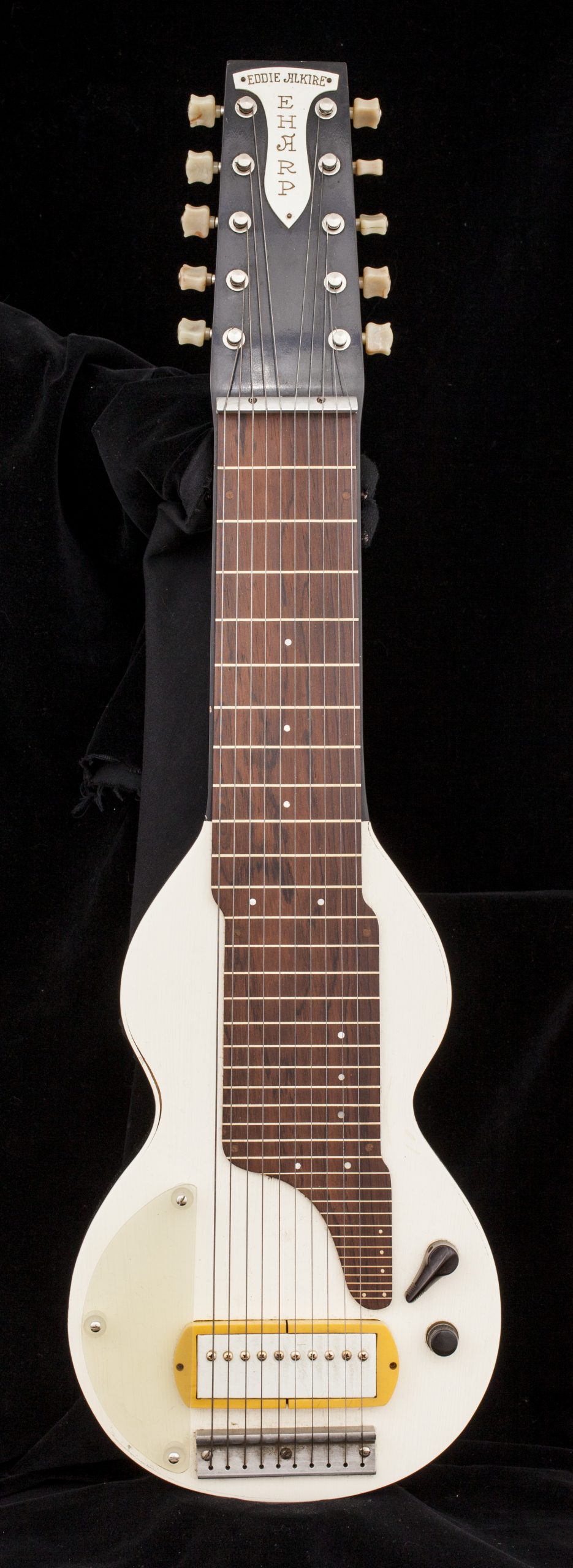
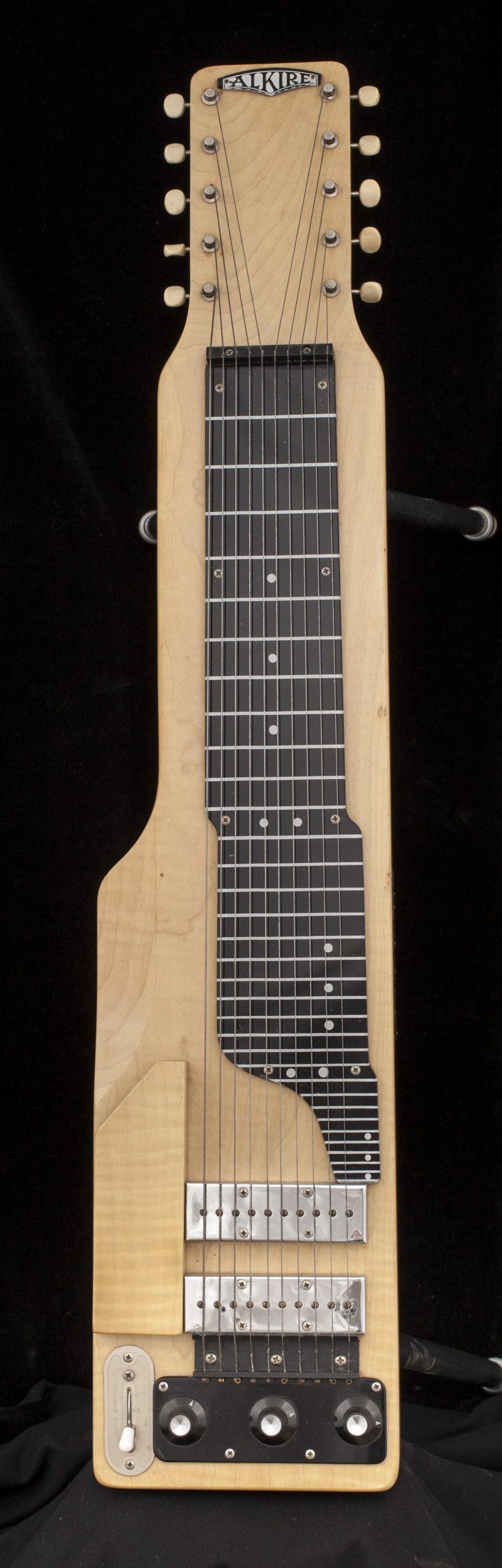
The Sousa Archives houses thousands of pages of sheet music, musical instruments, and other historical artifacts pertaining to America’s diverse music heritage. Among these is a fascinating collection of early and experimental guitars, including some of the first electric Hawaiian guitars produced. Included below are an assortment of these unique guitars, including table and lap-style guitars developed by Eddie Alkire and produced by the Rickenbacker and Epiphone guitar companies, as well as Alkire’s modified 12-string acoustic Oahu GUITAR.

color photo of an Electro A-22 "Frying Pan" model electric guitar
Rickenbacker. Steel guitar. ca 1932. UIUC Library. Sousa Archives Music Instrument Digital Image and 3D Model Collection. Permission to display was given by UIUC Library.
color photo of an Oahu Jumbo 68B model acoustic guitar
Hawaiian guitar. Date unknown. UIUC Library. Sousa Archives Music Instrument Digital Image and 3D Model Collection. Permission to display was given by UIUC Library.
color photo of a ten-string lap-style electric guitar
Epiphone. Eharp-Lap Model Guitar. Date unknown. UIUC Library. Sousa Archives Music Instrument Digital Image and 3D Model Collection. Permission to display was given by UIUC Library.
color photo of a table electric guitar
Epiphone. Eharp. Date unknown. UIUC Library. Sousa Archives Music Instrument Digital Image and 3D Model Collection. Permission to display was given by UIUC Library.